How to Socialize a Puppy: The Checklist I Wish I'd Had Before the Window Closed
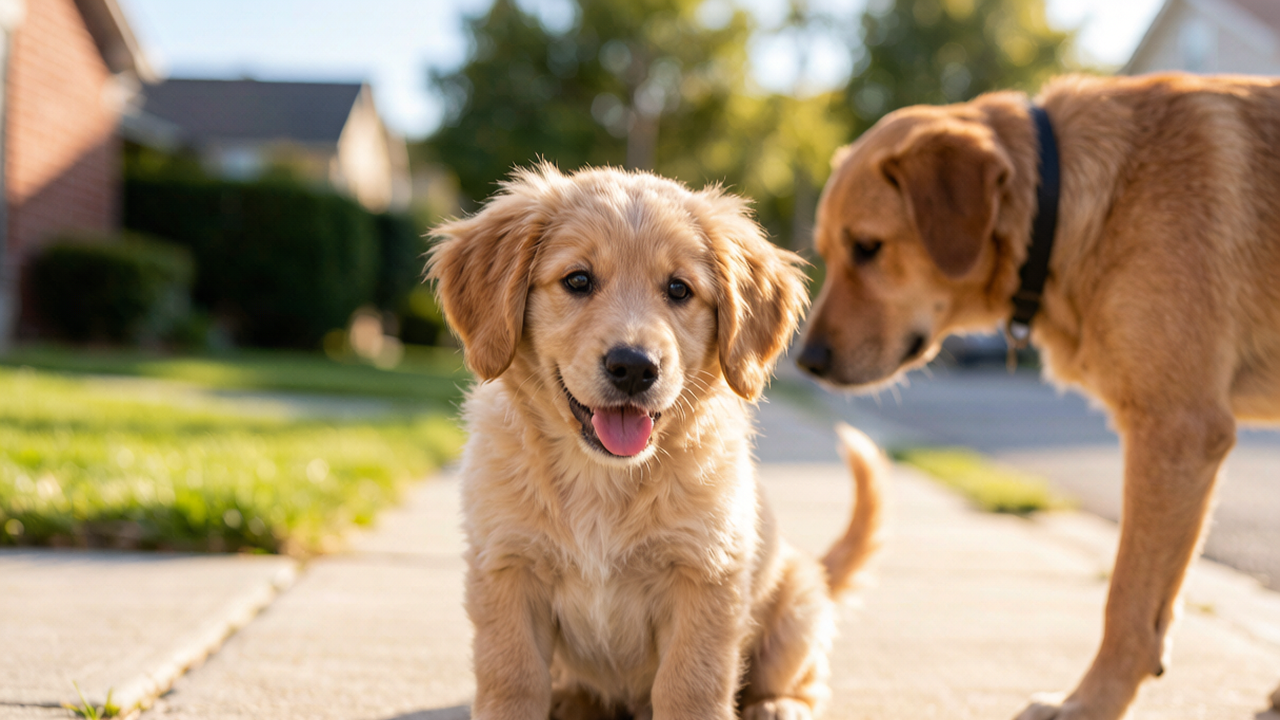
It's easy to assume you're being a great puppy parent. The week a new puppy comes home — say a floppy, ten-week-old golden retriever mix — socialization typically goes to the top of the to-do list, and it feels pretty straightforward. So most people do the obvious thing: take the puppy straight to a busy farmer's market on day four.
That puppy typically spends the whole trip flattened to the ground, tail tucked, whale-eyeing every stroller that rolls past. The owner picks him up, coos at him, tells him it's fine. But it isn't fine. For months afterward, the dog flinches at crowds, barks at anyone pushing a stroller, and freezes when a bus hisses past. It's the "right" thing done at the wrong speed — and it backfires.
Here's the thing nobody tells you: socializing a puppy isn't just exposing them to the world. It's exposing them to the world slowly enough that it feels safe. There's a real deadline on this, and it closes faster than you think. Here's the checklist most owners wish someone had handed them before the window closed.
The Window You Don't Get Back
A puppy's brain has a short stretch — roughly 3 to 16 weeks of age — where new experiences get filed under "normal" instead of "threatening." After that window closes, the same experience is more likely to get filed under "scary," and undoing that fear later is a hundred times more work.
By the time a puppy comes home at ten weeks, most of that window is already behind them. The breeder (or shelter) has already done the first chunk — or hasn't, and that's part of the problem. What's left is maybe a month and a half to get the rest right.
A couple of dates worth knowing:
- 3 to 8 weeks: happens at the breeder or rescue. Puppies learn dog-to-dog manners from their mom and littermates, including bite inhibition. This is why a puppy taken from its litter too early often plays too rough later.
- 8 to 12 weeks: the big one for bonding with people and accepting new environments. This is when most pups come home, and it's when the clock is already running on you.
- 12 to 16 weeks: the window is closing. A "fear period" can kick in here, where one bad experience leaves a bigger mark than usual.
It's worth being clear that this guide isn't a substitute for professional training or veterinary care — the points below reflect what reputable trainers and behavior resources consistently recommend, cross-checked against published guidance. If a puppy shows real fear or aggression, that's a professional problem, not a checklist problem.
The Mistake Most of Us Make
That trip-to-the-market scenario is actually two mistakes stacked on top of each other.
Too much, too fast. Jumping straight to "crowd, strangers, loud noises, new smells, strollers, kids" all at once. That's not socialization. That's flooding — and flooding a puppy doesn't make them brave, it makes them terrified and teaches them that the world is overwhelming.
Comforting the wrong way. When a cowering puppy is scooped up and fussed over, it can feel kind — but it can also teach the dog that acting scared earns attention. The better move is to stay calm yourself, lower the intensity, and let the puppy observe from a safe distance — not to reward the fear.
The rule to follow: the puppy should be curious, not overwhelmed. If the tail's tucked, the ears are back, or they're yawning and lip-licking, you've gone too far. Back up. You can always come back to it another day.
The Actual Checklist (Steal This)
You don't need to buy anything. You need to work through categories, one calm exposure at a time, always with treats in your pocket.
People. Men and women, kids, older folks, someone in a hat or sunglasses, someone in a wheelchair or using a cane, someone with a beard, someone with a different skin tone than yours. A lot of puppies only ever meet the three people who live in their house and then lose their mind when a delivery driver shows up.
Dogs and other animals. Calm, vaccinated adult dogs first — ones you know won't overwhelm a puppy. Playdates in a quiet yard beat the chaos of a dog park. If you have a cat, supervised, at-a-distance introductions early on save you a world of drama later.
Sounds. Traffic, the vacuum, the doorbell, sirens, thunder (play a recording at low volume), kids yelling, the clatter of pots. Start these quiet and far away, pair with treats, and turn them up over days, not minutes.
Surfaces. Carpet, hardwood, tile, grass, gravel, wet pavement, a metal grate on the sidewalk, stairs. This one's underrated. A dog who panics at a shiny floor or won't do stairs is a daily annoyance you could've prevented in an afternoon.
Handling. Touch their paws, peek in their ears, open their mouth, gently handle their tail, run your hands all over. Do it during calm moments with treats. This is the thing that makes nail trims and vet visits not-a-war later.
Alone time. Yes, this counts. A puppy who's never been alone for five minutes becomes the adult dog who shreds your couch the first time you leave for work. Start with tiny absences and build up.
The format that actually works for me: short bursts, several times a day, three to five minutes each. End while they're still happy. A tired, satisfied puppy retains more than a worn-out, stressed one.
If You Already Missed the Window
Deep breath. This is the part that matters if you've adopted an older dog, or you're looking at a six-month-old and realizing the training got off track.
You can still help an older dog. It's slower, but it's not hopeless. The same rules apply, just with more patience and smaller steps. Start at whatever distance your dog can handle without reacting, reward calm, and inch closer over weeks. Don't rush it, don't punish the fear, and if the dog is lunging, snarling, or panicking, bring in a force-free trainer or behaviorist before it gets worse. This isn't the place to wing it.
The honest truth is that "missed the window" doesn't mean "ruined the dog." It means "the easy path closed, and now we take the scenic route."
A Better First-Week Plan
Here's a plan that keeps a new puppy calm instead of flooded: the first week is quiet — house, yard, family, one calm adult dog, the sounds of home. Week two, start the checklist one category at a time, always at a distance where the puppy is curious, never flooded. Keep a running list on your phone and tick things off, because it's shocking how fast "I'll do that later" turns into "the window's closed."
A puppy that's socialized this way — slowly enough to stay comfortable — will generally walk into a busy street relaxed, tail up, checking things out. The difference isn't the dog. It's the speed.
The window is short, but it's not a mystery. Slow down, keep it positive, and work through the list. That's genuinely most of it.
What's the one thing you forgot to socialize your dog to? Drop it in the comments — I promise whatever it is, someone's dog is terrified of it too.
---
If you found this helpful, you might also like:
- Stop puppy biting without losing your mind
- Crate training at night, step by step
- Potty train a puppy in 7 days
- 7 commands every dog should know
This article is for informational purposes only and is not a substitute for professional veterinary advice, diagnosis, or treatment. Always consult a licensed veterinarian if your pet shows signs of illness, injury, or distress. If you believe your pet is experiencing a medical emergency, contact your veterinarian or the nearest emergency animal hospital immediately.
🐾 Enjoyed This Article?
Save it for later, share with a fellow pet parent, or check out more tips on our homepage!
📩 Never Miss a Tip
Get our best pet care hacks delivered straight to your inbox. No spam, unsubscribe anytime.
Shop dog supplies on Amazon & Chewy
Comparing prices before you buy? Check current deals and read reviews from other pet owners.