How to Stop a Puppy from Biting Without Losing Your Mind
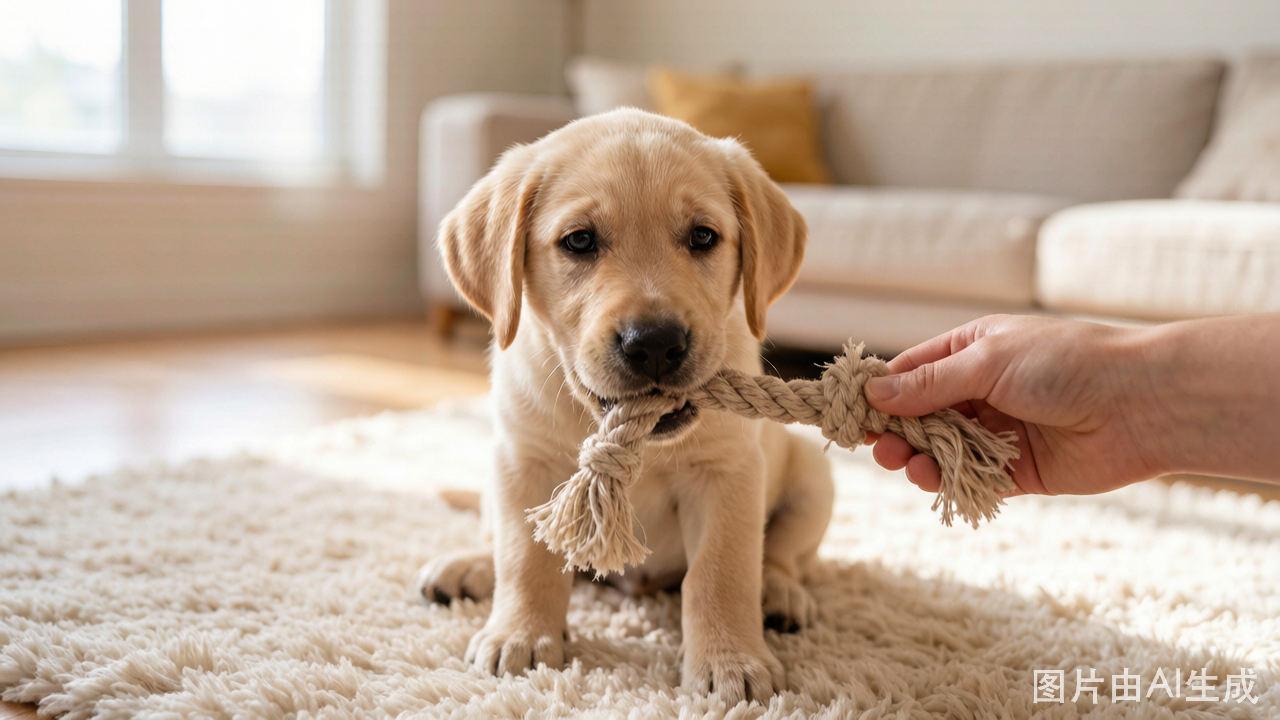
Three weeks into life with a new puppy, your ankles can look like they've been through a cheese grater.
That's normal life with a 10-week-old puppy. He isn't mean. He's a puppy with a mouth full of needles and no concept that human skin isn't a chew toy. You walk toward the kitchen and suddenly a tiny predator is attached to your sock. You yelp, he looks thrilled, and then he bites harder.
If you're currently living this reality, it does get better. But you need a plan, because "just wait it out" is a recipe for shredded furniture and a lot of frustration.
📋 Table of Contents
Why Puppies Bite in the First Place
Puppies explore the world with their mouths. It's not aggression — it's development. At around 8 to 16 weeks, they're also teething, which means their gums feel itchy and chewing brings relief. On top of that, they're learning something called bite inhibition, which is basically how hard is too hard when using their mouth.
When puppies play with their littermates, the other pup yelps and stops playing when a bite hurts too much. That's how they learn. Your job is to be the substitute teacher now that they're living with humans.
What Actually Works
1. The Yelp-and-Withdraw Method
This sounds silly, but it's the single most effective technique available. When a puppy bites too hard during play, let out a high-pitched "ouch!" — the way another puppy would — and immediately stop interacting. Arms crossed, no eye contact, completely boring.
For the first few days, most puppies find this hilarious. After about a week of consistency, it clicks: a soft mouth keeps the game going, a hard bite ends the fun.
The key is timing. You have to react within a second or two. Wait any longer and they can't connect the consequence to the bite.
2. Redirection, Redirection, Redirection
Puppies need to chew. Your job isn't to stop chewing — it's to redirect it to the right things. Keep a rotation of chew toys within arm's reach: a rubber Kong, a rope toy, and a few softer plush toys.
Every time the puppy goes for your hand, calmly swap in a toy. Not dramatic, not angry. Just: "This is what we chew."
Frozen carrots are a lifesaver during teething. Peel one, pop it in the freezer, and most puppies will gnaw on it for 20 minutes. A frozen washcloth tied in a knot works even better on the worst days.
3. Teaching an Alternative Behavior
Ask your puppy for something incompatible with biting. Sit. Touch. Place. A puppy busy working out what you want has less brain space left over for biting.
Before play sessions, ask for a sit, then reward with a toy and a short burst of play. If teeth land on skin, the game is over for 10 seconds. This teaches that gentle play keeps the fun alive.
4. Managing the Environment
An overtired puppy turns into a land shark. That's not a training issue — it's biology. A one-hour-up, two-hours-down routine keeps it under control. When the puppy gets too wild, a crate nap with a chew toy resets everything.
A large share of the worst biting episodes trace back to a puppy who is tired and overstimulated. Puppies need a lot of sleep, and an overtired puppy bites more, not less.
5. Avoiding the Traps That Make It Worse
A few common habits make biting worse. Waving your hands in a puppy's face during play is basically an invitation to bite. Letting kids get on the floor and wrestle with him teaches that human bodies are fair game.
Switch to calm floor time instead. Petting with one hand while feeding a treat with the other teaches a puppy that hands bring good things, not wrestling matches.
When to Worry
Normal puppy biting has a few telltale signs: it happens during play, the tail is usually wagging, and the puppy can be redirected to a toy. If your puppy is growling with a stiff body, snarling, lunging without warning, or biting hard enough to break skin repeatedly, it's worth consulting a professional trainer or vet behaviorist.
Most normal puppy biting, though, is just puppy biting. Annoying, painful, totally normal.
What the Timeline Actually Looks Like
This isn't a one-week fix. With consistent training, biting usually drops noticeably by 14 weeks. By 18 weeks it's rare. By 6 months it's mostly gone, apart from the occasional overexcited nip.
The biggest mistake is abandoning a method after two days. Puppies need repetition. A lot of it.
Tools That Helped
- Chew toys: Kong Puppy, Nylabone Puppy, rope toys
- Frozen treats: carrots, washcloths, frozen banana chunks
- Treats for training: tiny pieces of boiled chicken or store-bought training treats
- Crate or playpen: for enforced naps
If you're shopping, try to choose toys sized for your puppy's mouth. A toy too big is frustrating. A toy too small is a choking hazard.
The Bottom Line
Puppy biting is one of those things that feels like it will last forever when you're in it. It won't. Stay consistent, redirect the chewing, and don't make your hands into toys.
Your future self — with intact ankles — will thank you.
Pick one method, apply it every single time for two weeks, and judge the results then. Consistency is what makes any of these work.
Frequently Asked Questions
How long does puppy biting last?
With consistent training, most puppies significantly reduce biting by 14-16 weeks of age. By 18 weeks, it becomes rare. By 6 months, most puppies have stopped entirely, though occasional overexcited nips can still happen during play. The teething phase (which drives much of the biting) typically ends around 6-7 months when adult teeth come in.
Is it normal for puppies to bite everything?
Yes, absolutely. Puppies explore the world through their mouths, similar to how human babies put everything in theirs. Biting is also part of teething (8-16 weeks) and learning bite inhibition. The key is not to stop the biting entirely, but to redirect it to appropriate chew toys and teach them that human skin is off-limits.
Should I use a clicker for puppy training?
A clicker can be a powerful tool for marking good behavior, but it's not required for stopping biting. If you're already using clicker training, click and reward the moment your puppy licks your hand instead of biting, or when they respond to a redirect. If you're not using one, the yelp-and-withdraw method works just as well without any extra equipment.
What if my puppy draws blood?
If your puppy bites hard enough to break skin, clean the wound immediately with soap and water. If the biting is accidental (during play), increase the frequency of redirection and make sure your puppy is getting enough sleep. If the biting is aggressive (growling, stiff body, lunging), consult a professional trainer or veterinary behaviorist right away. True aggression in puppies is rare but should be addressed early.
Can I use bitter spray to stop biting?
Bitter apple spray can help deter chewing on furniture and specific items, but it's less effective for stopping biting during play. The core issue with play-biting is that your puppy needs to learn bite inhibition, which requires the yelp-and-withdraw technique. Bitter spray is better suited for protecting your furniture than training your puppy's mouth manners.
Shop puppy teething toys on Amazon & Chewy
Comparing prices before you buy? Check current deals and read reviews from other pet owners.
🐾 Written by the PetHomeHacks editorial team — researched, tested, and reviewed for accuracy.