Puppy Adolescence: Surviving the Teenage Dog Phase
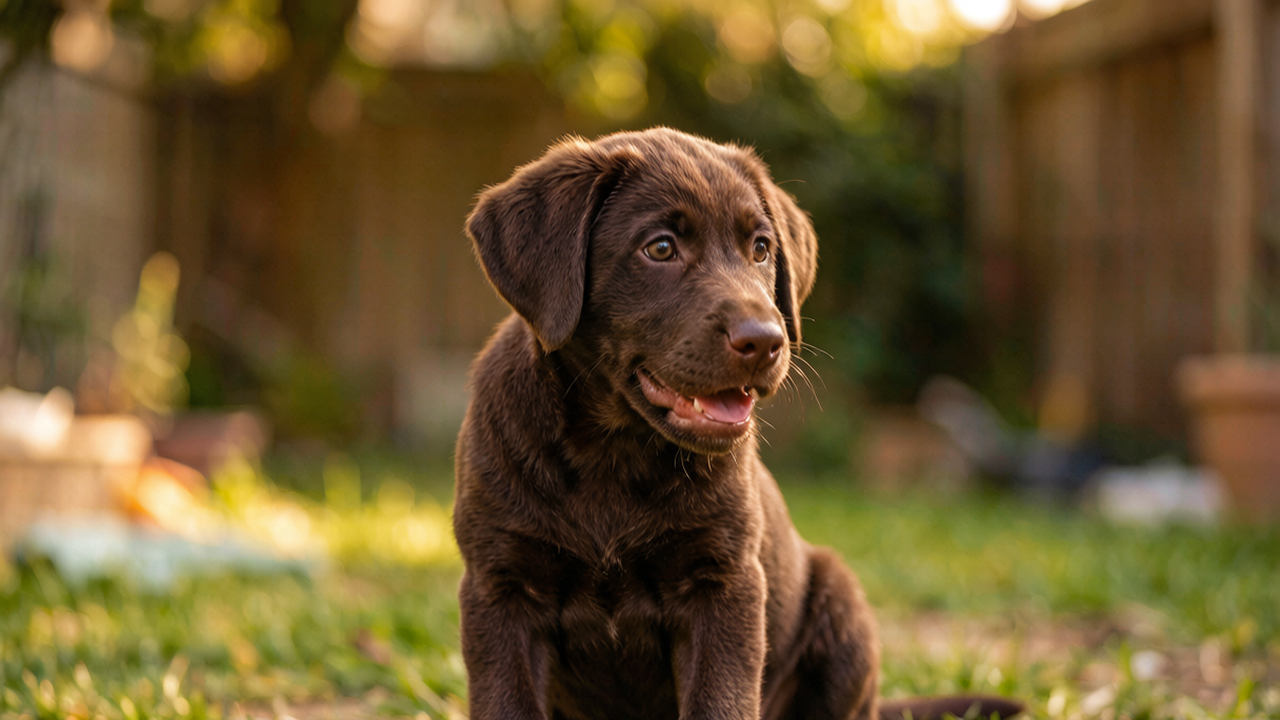
Many owners describe the same arc: a puppy that breezes through early training, then a sudden reversal around eight months. Crate training may hold, but recall slips; the dog that napped through the vacuum now bolts from it; a previously calm puppy starts chewing baseboards. This is the adolescent phase, and it catches most owners off guard because few sources warn about it.
Veterinary behavior guidance describes adolescence as a period of brain rewiring that commonly lasts until about 18 months. [source] The sections below cover what changes, why it happens, and what owners can do about each behavior.
The Adolescent Brain: Why Training Seems to Vanish
Between roughly 6 and 18 months (longer for large breeds), a dog's brain is undergoing massive rewiring. The parts handling impulse control and emotional regulation are still under construction, while the circuits driving curiosity, social exploration, and independence are fully online. That mismatch explains most of the regression. [source]
Hormones flood the system for the first time. Unspayed or unneutered dogs experience surges of testosterone or estrogen they have no context for, and even altered dogs follow the same adolescent developmental timeline.
The result is a dog that is simultaneously more curious, less focused on the owner, more reactive to novelty, and less able to control impulses than it was at five months. It is not personal — but it feels that way.
Six Behavior Changes Owners Commonly See
1. Recall Becomes Unreliable
A dog that came when called reliably at five months may suddenly ignore the cue. This matters because a dog that won't come can run into traffic or approach an unfriendly dog. The practical fix is to stop setting the dog up to fail: a long training line (20–30 feet) lets you gently reel the dog in rather than chasing it, which would otherwise turn recall into a game the dog always wins. High-value rewards — small pieces of cheese or cooked meat — beat dry kibble for re-engaging an easily distracted adolescent. Treat the long line as a safety tool, not a step backward; consistent use typically restores functional recall within several weeks. [source]
2. Sudden Fears of Familiar Things
Adolescent dogs go through fear periods — windows when the brain is unusually sensitive to negative experiences, so objects that were neutral as a puppy (a vacuum, a blender, a lawn decoration) can suddenly provoke terror. Forcing exposure during this window can create lasting phobias. The safer approach is gradual desensitization: place the frightening object at a distance, reward calm glances, and slowly decrease the distance over days or weeks. [source]
3. Destructive Chewing Returns
Chewing often intensifies around 6–8 months as adult teeth come in, and again because exercise needs rise while impulse control drops. Management works better than correction: provide several rotated chew options (a frozen Kong, bully sticks or yak chews under supervision, a durable nylon bone), and confine the dog to a puppy-proofed area or crate whenever it cannot be supervised.
4. Leash Walking Turns Into a Struggle
A dog that walked politely at five months may pull relentlessly at nine. A front-clip harness gives more control without choking. Lowering expectations helps: allow sniffing and frequent pauses, and reward any moment of loose-leash eye contact. Most dogs settle back into good leash manners by roughly twelve to fourteen months once the need to explore is worked with rather than fought.
5. Barking Increases
Adolescent barking is often vigilance behavior — the dog has become newly aware of territory and potential threats. Punishing it (yelling, spray bottles, aversive collars) tends to make it worse by confirming that "scary things happen when that noise occurs." A "thank you" routine — calmly checking what the dog alerted to, then redirecting to a chew or a short training session — teaches the dog it can stand down. [source]
6. Social Skills Shift
At the dog park, an adolescent may play too rough, mount other dogs, or react when corrected. Adult dogs that tolerated puppy antics lose patience. Manage this by avoiding peak hours, arranging one-on-one playdates with patient dogs, and giving a brief cooldown on leash when the dog gets overstimulated. The goal is to help the dog learn social rules rather than be thrown into overwhelming situations.
What Helps Most
Adjusting expectations is the single most useful shift. Comparing an adolescent dog to its five-month-old self — or to a calm adult at the park — only breeds frustration. This is a temporary, normal developmental stage, not a reflection of failed training.
Second, increase mental stimulation rather than only physical exercise. Scent games, food puzzles, and short trick-training sessions tire the brain, and a tired brain is a quieter dog. Third, rebuild skills in stages: start in the kitchen, then the backyard, then a quiet street, then a busier environment. There is no shame in returning to basics. [source]
When to Actually Worry
Most adolescent behavior is normal. But there are red flags that warrant a vet or behaviorist:
- Aggression that escalates (not just a growl, but repeated biting that breaks skin)
- Extreme fear that doesn't improve with gentle desensitization over several weeks
- Self-injury — chewing paws raw, tail chasing that causes damage
- Complete shutdown — dog who won't eat, won't engage, seems depressed for more than a day or two
- Sudden house-training regression that doesn't resolve after a vet check and consistent management
If you're seeing any of these, get professional help. The adolescent brain is plastic — it's a great time to intervene with a behaviorist if something is genuinely wrong.
The Phase Does End
Adolescence typically runs from roughly six months to eighteen months (longer in large breeds). It feels endless while it lasts, but it is a fraction of a dog's lifespan. Dogs that receive consistent, patient guidance through this period usually emerge as calm, responsive adults.
If you are in the middle of it now — ignored recalls, chewing, constant alertness — the work you put in is building the adult dog you want. The stage is temporary, and consistent management during it pays off long after it ends. [source]
This article is for informational purposes only and is not a substitute for professional veterinary advice, diagnosis, or treatment. Always consult a licensed veterinarian if your pet shows signs of illness, injury, or distress. If you believe your pet is experiencing a medical emergency, contact your veterinarian or the nearest emergency animal hospital immediately.
🐾 Enjoyed This Article?
Save it for later, share with a fellow pet parent, or check out more tips on our homepage!
📩 Never Miss a Tip
Get our best pet care hacks delivered straight to your inbox. No spam, unsubscribe anytime.
Shop puppy training treats on Amazon & Chewy
Comparing prices before you buy? Check current deals and read reviews from other pet owners.