Why Do Dogs Scoot? Anal Glands, Causes, and What Actually Helps
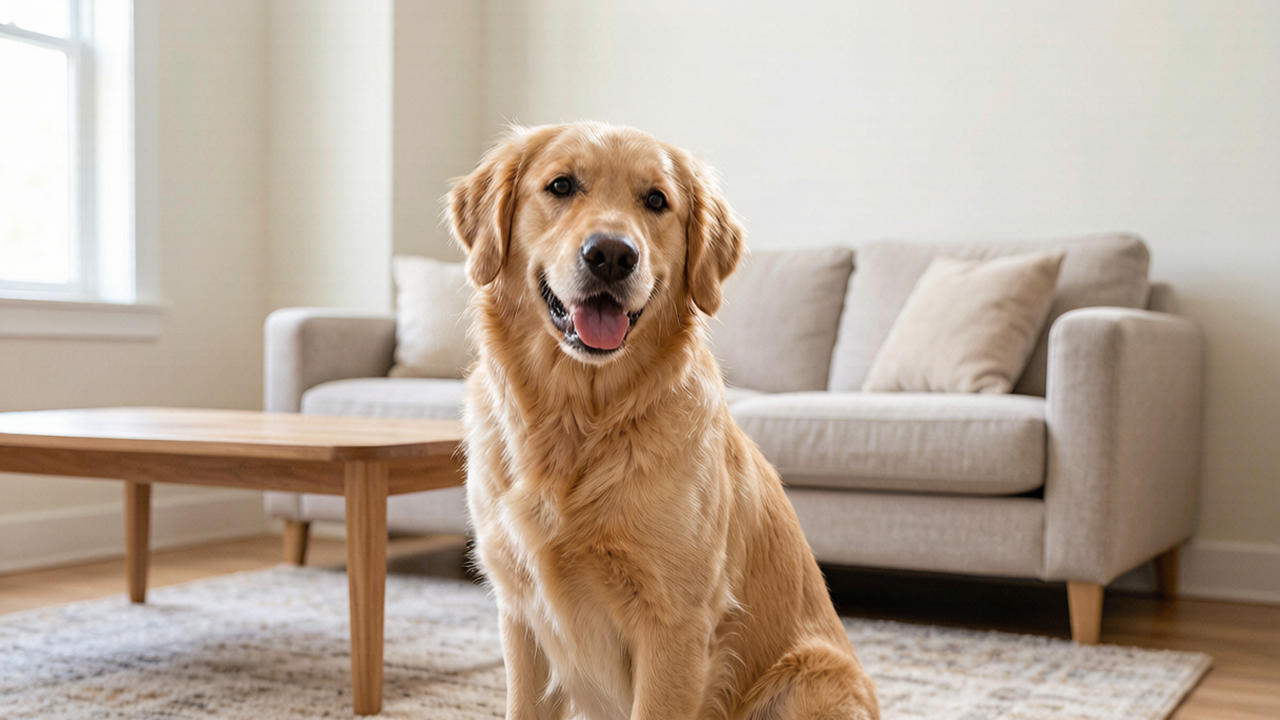
There's a particular kind of silence that falls over a room when a dog sits down, tips back, and starts dragging their rear end across the carpet in front of your in-laws. Everyone pretends not to see it. You laugh it off and change the subject. But part of you is quietly wondering: is that normal, or is something actually wrong back there?
The short answer: scooting is almost always a message, not a party trick. Most of the time it points to the same culprit — those two little sacs you've probably never wanted to think about. Understanding what they are and why they act up is the difference between a quick fix and a vet bill you could have avoided.
The Glands Behind the Scoot
Dogs have two small scent sacs just inside the anus, one on each side at roughly the four and eight o'clock positions. They hold a smelly, oily fluid that's part of how dogs mark their territory — it's the main ingredient in that "I'll just sniff your butt" greeting ritual between dogs.
In a healthy dog, these sacs empty on their own every time they pass a firm stool. The pressure of the stool squeezing past gives the glands a gentle push, and the fluid rides out with it. No fuss, no smell, and you never know it happened.
Problems start when that natural squeeze doesn't happen. If a dog's stool is soft, loose, or small, there isn't enough pressure to empty the sacs. The fluid sits there, thickens, and turns from liquid into something closer to paste. That's when the sacs start to feel full and uncomfortable — and the dog starts scooting to try to relieve the pressure on their own.
Why Some Dogs Scoot More Than Others
If your dog scoots occasionally and then stops, it usually isn't a big deal. The ones who deal with it chronically tend to share a few traits:
Small breeds are overrepresented. Little dogs — think Chihuahuas, Dachshunds, toy and miniature Poodles, and similar low-to-the-ground types — seem to have more trouble emptying their sacs naturally. Nobody's entirely sure why, but it may come down to narrower ducts or softer, smaller stools.
Soft stools are the biggest lifestyle culprit. A dog who eats a rich or inconsistent diet and regularly produces loose stool never gets that firm squeeze against the glands. Over time the fluid backs up.
Allergies and skin issues play a role. Some dogs scoot not because the glands are full, but because the whole rear end itches. Food or environmental allergies, flea bites, or a patch of irritated skin can make a dog drag their butt just to scratch an itch they can't reach. Vets sometimes talk about "ears and rears" as a package deal — a dog with recurring ear infections and anal gland trouble often has an underlying allergy driving both.
Weight and anatomy matter too. A dog carrying extra weight, or one with a naturally tucked or fluffy rear, may simply have a harder time getting things moving back there.
It's Not Always the Glands
Before you assume it's a full sac, run through the other possibilities, because a few of them are things you should actually see a vet about:
Tapeworms. If you've spotted tiny white segments that look like grains of rice around your dog's rear or in their stool, that's not gland fluid — that's a tapeworm. Dogs usually pick them up from swallowing an infected flea. This one needs a dewormer from the vet, plus getting on top of flea control so it doesn't keep happening.
Just a messy rear. Sometimes the answer is embarrassing in its simplicity: a bit of dried stool or debris is stuck to the fur and it itches. A gentle wipe with a warm, damp cloth (or a quick sanitary trim of the fur) sorts it out.
Skin irritation. A rash, a hotspot, or dry skin back there will make a dog scoot even when the glands are completely empty. If the skin looks red or the dog is licking obsessively, treat it as a skin problem, not a gland problem.
In senior dogs, keep an eye out. A dog who has always been clean and suddenly starts scooting, especially an older one, is worth a check. Persistent scooting can occasionally signal something more serious, like a growth, so don't write it off as "just getting old."
What You Can Do at Home
The good news is that most early-stage scooting responds to a few boring, sensible changes. Here's the order to try them in:
1. Check the obvious stuff first. Lift the tail and look. If there's dried debris, gently clean the area with a warm damp cloth. If you see rice-like segments, redness, swelling, or anything that looks infected, skip straight to the vet.
2. Firm up the stool with fiber. This is the single most effective home fix, because a firmer stool does the work of emptying the glands for you. The easiest place to start is adding a little plain canned pumpkin (not the sweetened pie filling) or a dog-safe fiber supplement to meals. Start small and adjust based on how the stool looks — you want it firm but not hard.
3. Support the skin if it's itchy. If allergies seem to be the trigger, a fish oil supplement rich in omega-3s can help calm dry, itchy skin. A gentle, oatmeal-based shampoo can also take the edge off the itch. But if the itching is seasonal, constant, or comes with ear trouble, the real answer is finding the underlying allergy with your vet, not chasing symptoms.
4. Keep the area clean and dry. For a dog prone to trouble, a quick check-and-wipe a couple of times a week is cheap insurance. It catches problems early and keeps a dirty rear from turning into a skin infection.
One thing to skip: DIY gland expression. It's tempting — you can find tutorials for it everywhere — but this is genuinely a job best left to a professional. Doing it wrong can push the problem deeper, hurt your dog, and turn a routine squeeze into an infection. A groomer or vet can do it safely in seconds, and they'll notice if the fluid looks abnormal. Let them.
When It's Time for the Vet
This guide is written by pet owners for pet owners, and nothing here replaces a proper exam. The advice reflects standard pet-care guidance, not medical advice. There are some signs that mean stop the home remedies and make the call:
- Scooting that goes on for more than a day or two without improving
- Blood, pus, or a foul smell coming from the area
- Swelling or a visible lump near the anus
- Straining to poop, or yelping when they try
- A dog who's suddenly lethargic, off their food, or clearly in pain
- A senior dog with new or worsening scooting
A full or impacted gland is uncomfortable. An infected or abscessed one is painful and can rupture. The sooner a professional gets involved, the smaller the problem stays. If the sacs keep filling up faster than every month or so, that's also a sign to look for an underlying cause rather than just expressing them forever.
The Bottom Line
Scooting is almost never an emergency, but it's also not something to shrug off forever. In order: check for debris, firm up the stool with fiber, rule out tapeworms and itchy skin, and let a pro handle the actual gland expression. Skip the DIY videos and the "it'll pass" instinct.
What surprises most owners is how often the fix is as dull as a spoonful of pumpkin and a better poop schedule. Boring, but it works — and your carpet (and your in-laws) will thank you.
Has your dog ever done the butt-scoot, and what turned out to be the actual cause? Tell me what fixed it (or what didn't) in the comments.
---
If you found this helpful, you might also like:
- What dog poop color and texture tell you
- Signs your dog is in pain (and what to do)
- Seasonal allergies: how to stop the itch
- Dog diarrhea: what to do at home and when to worry
This article is for informational purposes only and is not a substitute for professional veterinary advice, diagnosis, or treatment. Always consult a licensed veterinarian if your pet shows signs of illness, injury, or distress. If you believe your pet is experiencing a medical emergency, contact your veterinarian or the nearest emergency animal hospital immediately.
🐾 Enjoyed This Article?
Save it for later, share with a fellow pet parent, or check out more tips on our homepage!
📩 Never Miss a Tip
Get our best pet care hacks delivered straight to your inbox. No spam, unsubscribe anytime.
Shop dog supplies on Amazon & Chewy
Comparing prices before you buy? Check current deals and read reviews from other pet owners.