What Human Food Can Dogs Eat Safely List: 25 Expert-Backed Treats Your Pup Will Love
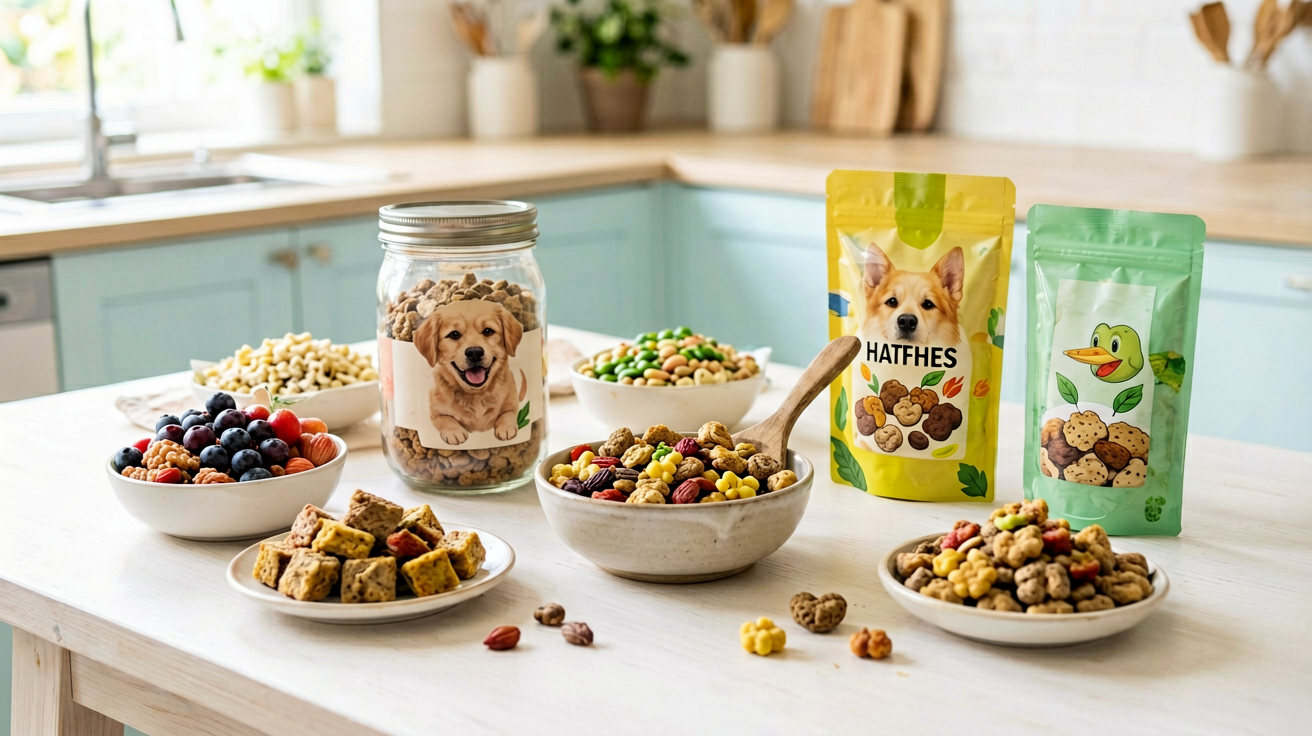
You’re slicing an apple, and those big puppy eyes lock onto you. We’ve all been there. But before you toss a piece, you freeze—is this actually safe? The truth is, over 40% of dog owners admit to feeding table scraps without knowing the risks. That’s why we created this definitive what human food can dogs eat safely list — a cheat sheet you can actually trust.
📋 Table of Contents
- The Quick Answer: 25 Safe Human Foods for Dogs
- 1. Protein Power: The Best Meats for Your Pup
- 2. Fruits That Are Dog-Safe (And Which to Avoid)
- 3. Vegetables: The Crunchy, Low-Calorie Heroes
- 4. Dairy and Grains: Proceed with Caution
- 5. The Danger Zone: 3 Foods That Look Safe But Aren’t
- Frequently Asked Questions
The Quick Answer: 25 Safe Human Foods for Dogs
Here’s the short version for impatient readers: plain, cooked meats (chicken, turkey, beef), most fruits (apples, blueberries, bananas, watermelon), and most vegetables (carrots, green beans, sweet potatoes) are safe. Always remove pits, seeds, and seasonings. Never feed grapes, raisins, onions, garlic, or chocolate. Keep scrolling for the full deep dive.
1. Protein Power: The Best Meats for Your Pup
Dogs are omnivores, but they thrive on animal protein. Plain, cooked chicken breast is a gold standard — it’s lean, digestible, and perfect for upset stomachs. Many owners use shredded chicken as a gentle food topper whenever their dog is feeling off.
Lean ground beef (80/20 or leaner) is another winner. Just drain the fat completely and skip the salt. Turkey works too, especially around Thanksgiving. Pro tip: Always remove bones from poultry — cooked bones splinter and can cause internal damage.
Fish is excellent for omega-3s. Canned tuna in water (not oil, not salted) is fine as an occasional treat. Salmon, sardines, and mackerel are even better. One caveat: limit fish to once a week due to mercury concerns.
Eggs are a powerhouse. Scrambled or hard-boiled (no butter, no salt), they're packed with protein and easy on the stomach. Many vets recommend eggs for dogs with dull coats — the biotin works wonders.
2. Fruits That Are Dog-Safe (And Which to Avoid)
Fruits are nature’s candy, but not all are created equal for dogs. Apples are fantastic — remove the core and seeds (cyanide risk), and you’ve got a crunchy, vitamin-rich snack. A medium apple has about 95 calories, so portion control matters.
Blueberries are tiny superfoods. They're packed with antioxidants and fiber. Freeze a handful on a baking sheet for a refreshing summer treat. Bananas are safe too, but they're sugar-heavy — a few slices max for small dogs.
Watermelon (seedless, rind removed) is 92% water — perfect for hydration on hot days. Strawberries contain an enzyme that can help whiten teeth. Mangoes and pears are also fine, again with pits and seeds removed.
Three fruits to NEVER give: grapes, raisins, and cherries (pits contain cyanide). Grapes can cause sudden kidney failure — even a single grape can be lethal for some dogs.
3. Vegetables: The Crunchy, Low-Calorie Heroes
If your dog is overweight, vegetables are your best friend. Carrots are crunchy, low-cal, and great for teeth. Baby carrots make perfect training treats — one carrot has only 4 calories. Many dogs will do backflips for a frozen carrot.
Green beans (plain, no salt) are filling and fiber-rich. Frozen green beans are a significant improvement for dogs on a diet. Sweet potatoes are nutrient-dense — bake them, let them cool, and slice into chewy strips. They’re loaded with vitamin A, but too much can cause orange-tinted skin (harmless but weird).
Pumpkin puree (not pumpkin pie filling!) is a digestive miracle worker. A tablespoon helps with diarrhea or constipation. Broccoli is safe in small amounts — the florets contain isothiocyanates, which can cause tummy upset if overfed.
Avoid: onions, garlic, leeks, chives (all toxic, even in powder form), raw potatoes (solanine), and mushrooms (unless you’re 100% sure they’re safe store-bought).
4. Dairy and Grains: Proceed with Caution
Many dogs are lactose intolerant, but small amounts of certain dairy are okay. Plain Greek yogurt (no sugar, no xylitol) is probiotic-rich. Start with a teaspoon for small dogs, a tablespoon for large breeds. Plain cottage cheese is another good source of calcium — just watch the salt content.
Cheese is fine in tiny amounts. A small cube of cheddar or mozzarella works as a high-value training treat. Avoid blue cheeses (roquefort, stilton) — they contain roquefortine C, which can cause vomiting and muscle tremors.
Grains are not the enemy. Plain cooked rice (white or brown) is gentle on stomachs. Oatmeal (plain, cooked) is safe and can help dogs with anxiety due to its magnesium content. Plain popcorn (no butter, salt, or oil) makes a fun, low-calorie snack — just watch for unpopped kernels.
5. The Danger Zone: 3 Foods That Look Safe But Aren’t
Some foods seem harmless but hide serious risks. Xylitol is the #1 killer — it’s in sugar-free gum, peanut butter, and baked goods. Even a tiny amount causes rapid insulin release, leading to hypoglycemia and liver failure. Always check labels.
Macadamia nuts cause weakness, vomiting, and tremors. Avocado contains persin, which is toxic to birds and large animals — while dogs are less sensitive, the pit is a choking hazard and the high fat content can cause pancreatitis.
Cooked bones — especially poultry and pork — are brittle and can splinter into sharp shards. Raw bones are safer but carry bacterial risks. If you want to give your dog a bone, choose a recreational raw bone from the butcher (beef femur is ideal) and supervise them.


Frequently Asked Questions
Can dogs eat bananas?
Yes, dogs can eat bananas in moderation. They’re high in potassium, vitamin B6, and vitamin C. However, bananas are also high in sugar — about 14g per medium banana. For a small dog, a few slices are plenty. For large breeds, half a banana max. Never feed the peel — it’s fibrous and difficult to digest.
Is it safe to give dogs peanut butter?
Yes, but only if it’s xylitol-free peanut butter. Xylitol is a sugar substitute that’s deadly to dogs — it can cause liver failure within hours. Brands like Jif, Skippy, and Teddie are generally safe, but always check the label. Choose natural peanut butter with just “peanuts” listed as the ingredient. A teaspoon is plenty for a training reward.
What human foods are toxic to dogs?
The most dangerous foods are: chocolate (theobromine poisoning), grapes and raisins (kidney failure), onions and garlic (damage red blood cells), xylitol (found in sugar-free products), macadamia nuts (neurological issues), and alcohol (even small amounts can be fatal). Also avoid raw bread dough (expands in the stomach) and moldy foods (tremorgenic mycotoxins). If you suspect poisoning, call your vet or the ASPCA Animal Poison Control Center immediately.
For more on keeping your home fur-free, check out our guide on how to remove pet hair from furniture fast. And if shedding is a concern, see why your dog might be shedding excessively.