Dog Diarrhea at Home: What to Feed, When to Wait, and When to Call the Vet
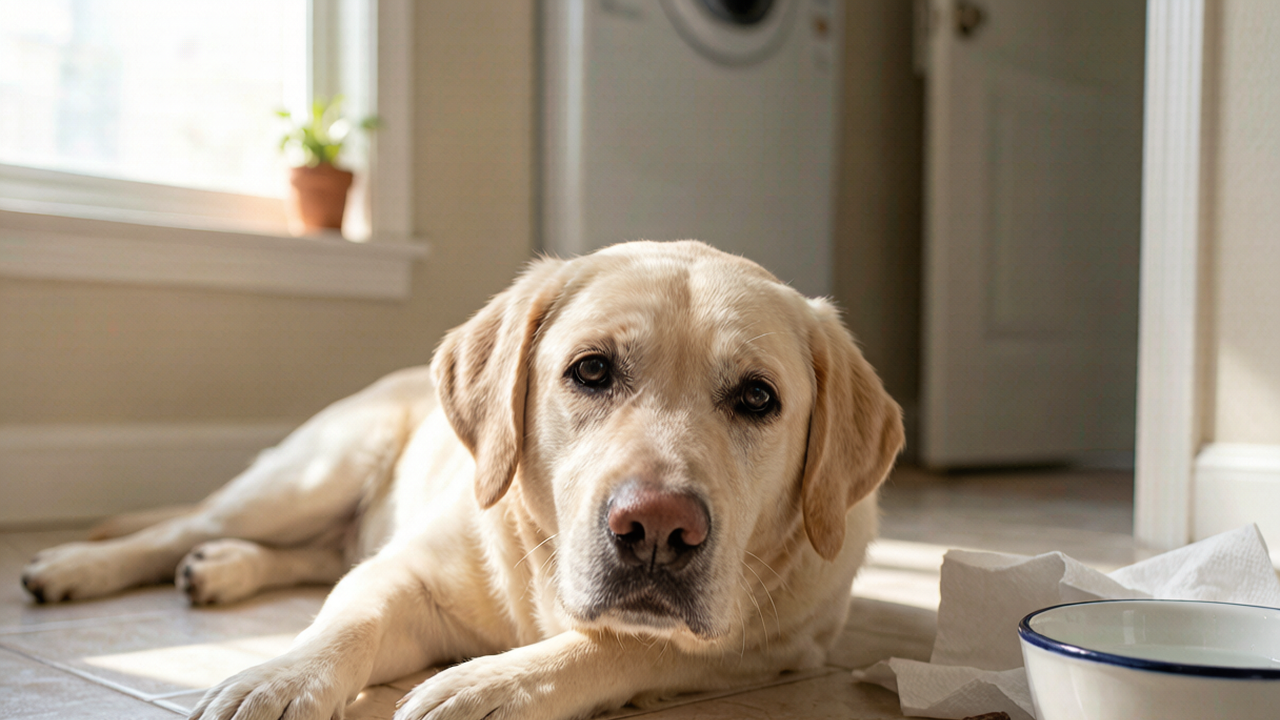
Dog diarrhea is among the most common reasons owners contact a veterinarian. Most episodes are messy but self-limiting: a single loose stool after a dietary indiscretion often resolves within a day or two with basic home care. A smaller share signal something more serious. Recognizing which category a dog falls into is the difference between a calm night at home and a trip to the emergency clinic. [source]
The guidance below covers practical at-home steps, the red flags that warrant a phone call, and where veterinary care becomes necessary. It is not a substitute for a veterinarian's examination — when in doubt, call your clinic. [source]
A Quick Triage Checklist Before You Panic
Veterinarians generally advise running through a short checklist before deciding whether home care is appropriate. [source]
Is the dog still bright, alert, and interested in food and water? A pet with mild diarrhea who is otherwise energetic, drinking normally, and wagging their tail can usually be managed at home for a short period. A dog that is withdrawn or refusing water is a different story.
Is there blood in the stool? A few streaks of bright red blood often reflect irritation from straining in the lower intestine and may be monitored. Dark, tarry, or black stool, by contrast, indicates digested blood from higher in the digestive tract and calls for prompt veterinary attention.
How long has it been going on? A single loose stool after a dog sneaks a scrap off the counter warrants observation. Liquid diarrhea persisting three or more days without improvement is a reason to contact a veterinarian.
Bland Diet: Boiled Chicken and White Rice, Done Right
A temporary bland diet of boiled white rice and plain boiled chicken breast is a long-standing recommendation for settling an upset stomach. The rice is the binding agent; the chicken provides protein the dog is likely to eat. [source]
A practical ratio is roughly two parts cooked white rice to one part shredded boiled chicken. Two details matter:
- Start small. An inflamed gut handles tiny meals better than a full portion. Offer about a quarter of the dog's normal meal size, split across four or five feedings through the day.
- Skip the store-bought broth. Many commercial broths contain onion and garlic powder, both toxic to dogs. [source] Use plain boiled chicken and a splash of the cooking water to moisten the rice instead.
Plain Pumpkin Puree, Not Pie Filling
Plain canned pumpkin is often suggested as a source of soluble fiber that can help firm loose stool. The key is the label: choose 100% pure pumpkin with no added sugar, spices, or sweeteners. [source]
Pumpkin pie filling is the wrong choice. It typically contains sugar, spices, and sometimes xylitol, all of which are unsuitable for a dog with an already upset stomach. A heaping tablespoon mixed into the bland meal twice daily is a common starting point, though amounts should be scaled to the dog's size.
Effects are not immediate. Owners typically wait 12 to 24 hours before judging whether stool consistency improves. Patience is part of the process.
Why Hydration Is the Real Priority
Diarrhea is dangerous primarily because of fluid loss, not the stool itself. Puppies, senior dogs, and small breeds are most vulnerable and can become dangerously dehydrated within half a day. [source]
Owners can encourage drinking a few ways:
- Ice cubes. Some dogs ignore a water bowl but lick at ice cubes as a game. Offering three or four in the bowl can increase intake.
- Diluted low-sodium broth. Use low-sodium broth with no onion or garlic, poured as a splash into the water bowl or frozen into a toy. [source]
- The skin-tent test. Gently pinch the skin between the shoulder blades and release. Fast return suggests adequate hydration; slow return or a tented fold suggests dehydration and a need for veterinary fluids.
Red Flags That Mean an Immediate Vet Visit
Certain signs should prompt a call or visit without delay:
- Melena (coffee-ground or tar-like stool). Digested blood from the stomach or small intestine can indicate an ulcer or other serious issue and is not a wait-and-see situation.
- Diarrhea together with vomiting. Fluid loss from both ends accelerates dehydration. A dog that cannot keep water down needs professional care.
- Marked lethargy. An animal that will not lift its head, has dull eyes, and does not respond to its name is showing systemic illness.
- A distended, hard abdomen with non-productive retching. This can signal bloat (gastric dilatation-volvulus), a true emergency that can be fatal within hours. [source]
- Known ingestion of a toxin. Grapes, xylitol, dark chocolate, and rodenticides are among the items that require immediate action. Contact a veterinarian or animal poison control rather than waiting for symptoms. [source]
Where Probiotics Fit In
Veterinary-formulated probiotics for dogs are sometimes used to support gut health during and after digestive upset. These products use bacterial strains selected for canine digestion and differ from human supplements. Whether a probiotic is appropriate, and which product, is best discussed with a veterinarian. [source]
Some owners report steadier digestion after consistent use, though results vary by individual. Probiotics are a supporting measure, not a replacement for veterinary care when red flags are present.
Common Triggers Worth Tracking
Recurrent diarrhea is rarely random. Episodes frequently follow one of a few patterns:
- Access to something unsuitable, such as trash or spoiled food.
- A new treat, chew, or food introduced without a gradual transition.
- Table scraps or human food outside the dog's normal diet.
Keeping a short log of episodes and recent dietary changes often reveals a repeat offender. A household "no human food" rule is a simple preventative step.
Most dog diarrhea is a messy inconvenience that resolves in a day or two with bland food, fiber, and patience. When it is serious, it is genuinely serious — and the deciding factor is recognizing the red flags that mean "call the vet now" rather than "try rice and chicken first."
This article is for informational purposes only and is not a substitute for professional veterinary advice, diagnosis, or treatment. Always consult a licensed veterinarian if your pet shows signs of illness, injury, or distress. If you believe your pet is experiencing a medical emergency, contact your veterinarian or the nearest emergency animal hospital immediately.
🐾 Enjoyed This Article?
Save it for later, share with a fellow pet parent, or check out more tips on our homepage!
📩 Never Miss a Tip
Get our best pet care hacks delivered straight to your inbox. No spam, unsubscribe anytime.
Shop dog digestive probiotic on Amazon & Chewy
Comparing prices before you buy? Check current deals and read reviews from other pet owners.