Dog Hot Spots: What They Are and How to Treat Them at Home
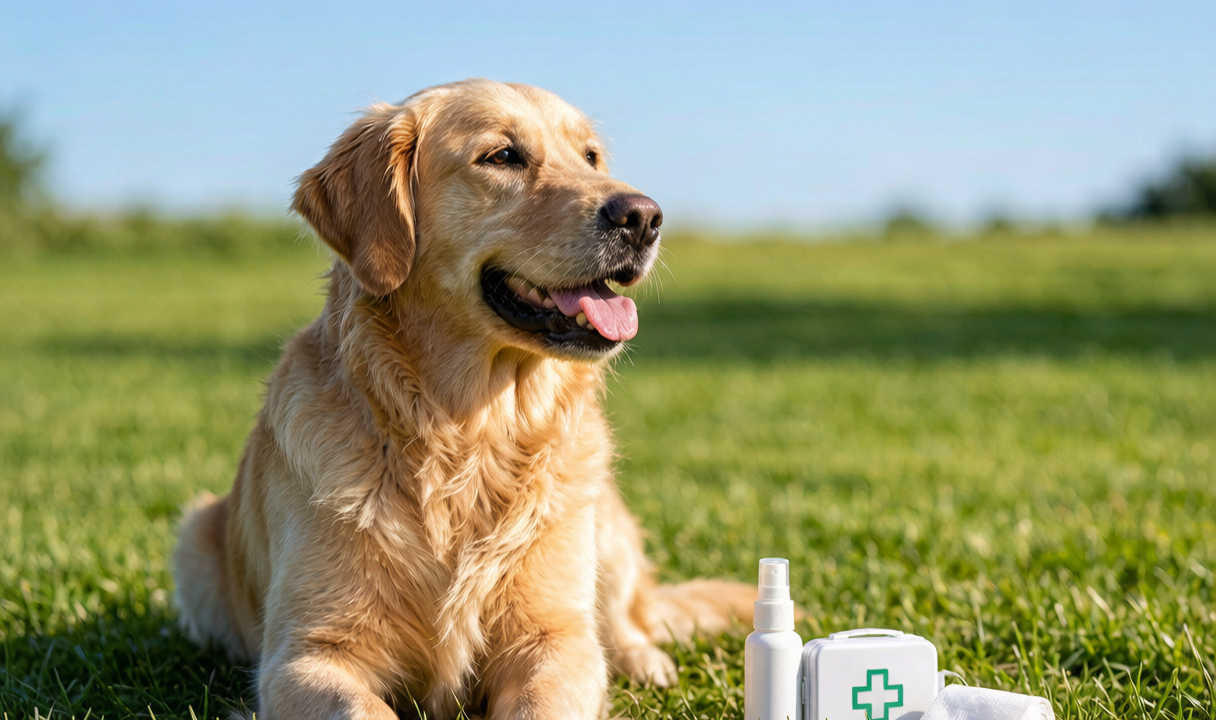
A hot spot is one of the most alarming things a dog owner can discover. It's a red, raw, oozing patch that can appear literally overnight on a dog's side — as if someone pressed a cigarette against the skin. The reassuring part: a veterinarian will usually describe it as a common summer problem that's treatable at home in most cases.
Hot spots appear on dogs of every breed, and the pattern is consistent enough that any owner can learn exactly what they are, how to handle them, and when a vet visit is actually required. Here is the full picture — what they are, the step-by-step home treatment, and the warning signs that mean it's time for the clinic.
📋 Table of Contents
What Exactly Is a Hot Spot?
A hot spot — officially called acute moist dermatitis or pyotraumatic dermatitis — is a localized area of skin inflammation and bacterial infection that develops rapidly. Here's what makes them unique:
- **They appear fast.** A hot spot can go from normal skin to a two-inch raw patch in less than 12 hours. Hot spots can develop in literally hours because the cycle of itch → scratch → more irritation → more itch accelerates rapidly.
- **They're wet and raw.** The surface is usually red, moist, and sometimes oozing. The hair around it falls out or gets matted in the discharge.
- **They're incredibly uncomfortable.** Your dog will lick, chew, and scratch at it obsessively, which makes it worse. It's a self-perpetuating disaster.
Hot spots are most common in summer because heat, humidity, and moisture create perfect conditions for bacterial overgrowth. Dogs with thick coats, especially Golden Retrievers, Labs, and Shepherds, are prime targets — but any dog can get them.
Why Do Hot Spots Happen?
Understanding the cause helps you prevent the next one. Here are the main triggers:
Moisture Trapped Under the Coat
This is the #1 summer culprit. After a swim, a bath, or even heavy rain, moisture gets trapped against the skin under dense fur. Bacteria (usually *Staphylococcus intermedius*, which normally lives on dog skin) multiply rapidly in that warm, wet environment. A dog that isn't dried thoroughly after lake swims is at high risk — a hot spot can follow every single time. Blow-drying the coat on a cool setting after every swim is the single most effective habit to break the cycle.
Allergies
Food allergies, environmental allergies (pollen, grass, dust mites), and flea allergies all cause itching. The itch leads to scratching and licking, which damages the skin barrier and opens the door for bacterial infection. Hot spots often coincide with peak pollen season in dogs that have seasonal allergies — managing those allergies before the season starts is usually what stops the cycle.
Fleas and Bug Bites
A single flea bite can trigger intense scratching that creates a hot spot within hours. Even if your dog is on flea prevention, one stray bite from a mosquito or other insect can start the cycle. A hot spot on the belly sitting right next to a mosquito bite is usually the giveaway.
Underlying Skin Conditions
Seborrhea, ear infections (dogs with ear issues often scratch their face/neck area), and anal gland problems can all be underlying triggers. If your dog keeps getting hot spots in the same location, there's probably a root cause you haven't addressed.
Stress and Boredom
Dogs that lick themselves excessively due to anxiety or boredom can create hot spots purely through repetitive licking. A rescue dog can develop a hot spot on a leg during the first week in a new home from stress-licking alone.
Step-by-Step: How to Treat a Hot Spot at Home
Here is the process most veterinarians recommend, organized into a reliable step-by-step routine. This works for most mild-to-moderate hot spots. If the spot is huge, deep, or your dog is in obvious pain, skip straight to the vet.
Step 1: Stop the Licking/Scratching Cycle
This is the most critical step. The itch-scratch cycle makes hot spots worse by the minute. Options:
- **E-collar (cone):** The classic solution. Uncomfortable but effective. It stops the dog from accessing the spot.
- **Soft e-collar:** More comfortable — it works just as well for most dogs.
- **Covering:** A clean sock over the foot if the hot spot is on a leg, or a light bandage (never tight). Just make sure your dog can't wriggle it off.
Put the barrier on immediately. Don't wait.
Step 2: Clip the Hair Around the Hot Spot
You need to expose the full area. Hair traps moisture and bacteria, and you can't clean or treat the spot properly if it's hidden under fur.
- Use clippers if you have them (safer than scissors near raw skin)
- If using scissors, carefully hold the hair up and cut well above the skin
- Clip at least an inch around the visible edges — hot spots often extend beyond what you can see through the fur
- **Don't skip this step.** Treating a hot spot without clipping lets fur trap the medication and moisture, and the spot can double in size overnight.
Step 3: Clean the Area Gently
- Use a gentle antiseptic solution. A veterinarian will typically recommend a chlorhexidine 2% solution (diluted), which is widely available at pet stores and online
- Alternatively, a mild saline solution (1 teaspoon salt in 2 cups warm water) works for initial cleaning
- **Pat, don't rub.** The skin is raw and fragile. Use soft gauze pads soaked in the solution and gently dab the area
- Clean twice daily until the spot starts drying and healing
Step 4: Dry the Area Completely
After cleaning, pat the area dry with clean gauze. Moisture is the enemy — you want this thing dry. A blow dryer on the cool setting (never warm or hot on raw skin) makes sure the area is completely dry.
Step 5: Apply a Topical Treatment
Several options work well for mild hot spots:
- **Vetericyn VF spray:** A reliable choice. It's a hypochlorous acid spray that's antimicrobial, safe, and doesn't sting. Keep a bottle in the dog first-aid kit at all times.
- **Hydrocortisone spray (1%):** Helps reduce itch and inflammation. Use sparingly and only on small areas.
- **Triple antibiotic ointment:** Works but can trap moisture if over-applied. Use it only at night when the area is clean and dry.
Apply 2-3 times daily. Keep the area dry between applications.
Step 6: Keep It Dry and Monitor
- Don't let your dog swim or get wet until the spot is fully healed
- If it rains, dry the area immediately after your dog comes inside
- Check the spot twice daily — you should see it shrinking, drying, and forming a light scab within 24-48 hours
- Continue the barrier (cone/cover) until your dog stops trying to lick it
Typical healing timeline: A mild hot spot usually starts drying within 24 hours, forms a healthy scab by day 2, and heals completely in 5-7 days with consistent treatment.
When You Must See the Vet
Home treatment works for most hot spots, but these situations need professional care:
- **The hot spot is larger than 2-3 inches** or spreading rapidly despite treatment
- **It's deep or appears infected** (green/yellow pus, foul smell, swollen surrounding tissue)
- **Your dog is in visible pain** — whimpering, flinching when touched, lethargic
- **Hot spots keep recurring** — this almost always means there's an underlying issue (allergies, thyroid problems, chronic skin condition) that needs diagnosis
- **The spot is near the eyes, ears, or genitals** — too sensitive and risky for home treatment
- **No improvement after 48 hours** of consistent home care
Your vet may prescribe oral antibiotics, steroid anti-inflammatories, or targeted topical medications. They can also investigate underlying causes — which is crucial for preventing repeat hot spots.
Prevention: What Actually Works
A solid prevention routine can cut a prone dog's episodes from 4-5 per summer to basically zero:
- **Dry thoroughly after any water exposure.** Every swim, every bath, every rain walk. Blow-dry on cool setting for thick-coated dogs. This single change made the biggest difference.
- **Maintain flea prevention consistently.** Don't skip months, don't go "well, I haven't seen fleas." Prevention isn't about what you see — it's about what you don't see.
- **Brush regularly.** Matting traps moisture. Brush 2-3 times per week in summer, paying special attention to the neck, armpits, and flank areas where hot spots tend to start.
- **Manage allergies proactively.** If your dog has seasonal allergies, talk to your vet about management before peak season — not after the first hot spot appears. Start the allergy protocol in early spring, before pollen season kicks in.
- **Keep a dog first-aid kit.** Vetericyn spray, chlorhexidine solution, gauze, clippers, soft cone — all in one box. When a hot spot appears at 9 PM on a Sunday, you don't want to be searching for supplies.
The Bottom Line
Hot spots look terrifying but are usually treatable at home if you act fast. The key is: clip the hair, clean gently, dry completely, stop the licking, and apply treatment consistently. Don't wait — these things get worse by the hour.
And if your dog keeps getting them, don't just keep treating the symptoms. Find the underlying cause. Recurring hot spots are often driven by seasonal allergies, and once those allergies are managed, the hot spots usually disappear.
If a hot spot keeps returning despite consistent home care, treat it as a signal rather than a nuisance: book a vet visit to identify the underlying driver. Allergies and chronic skin conditions are the usual culprits, and catching that root cause early is what keeps the episodes from coming back.
Shop dog hot spot treatment spray on Amazon & Chewy
Comparing prices before you buy? Check current deals and read reviews from other pet owners.