How to Prevent Dog Heatstroke in Summer
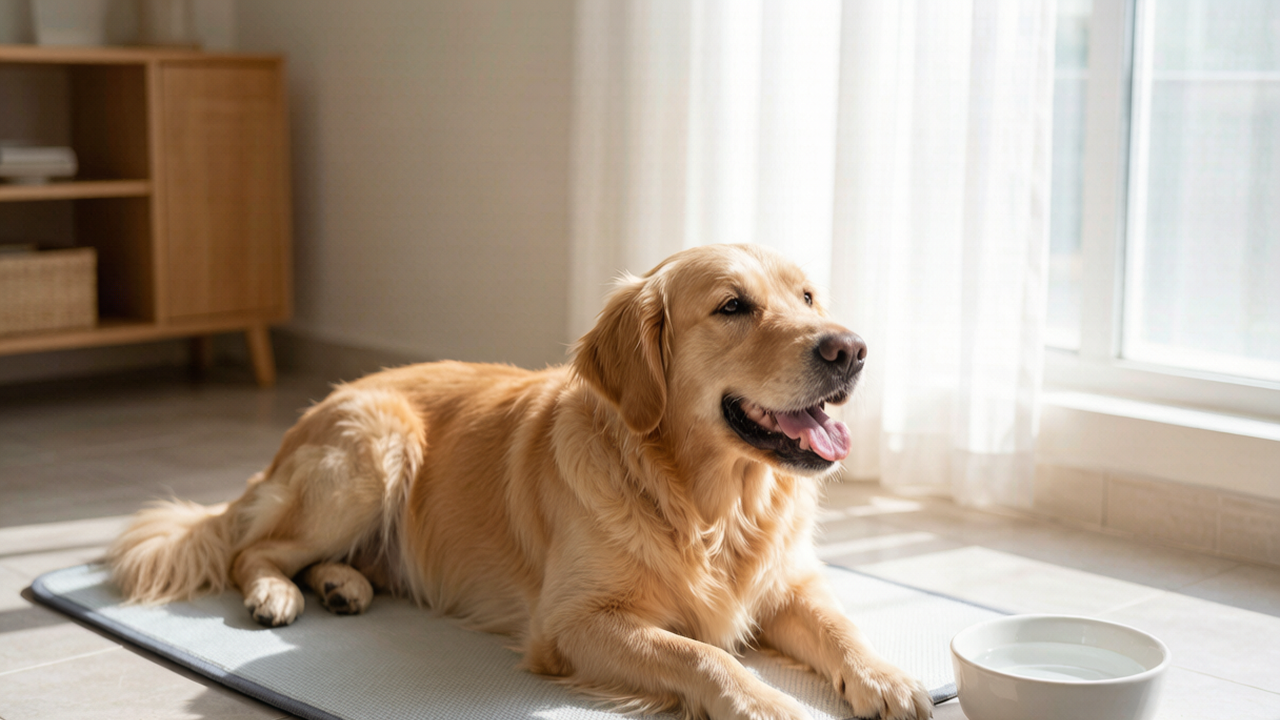
Heatstroke can strike faster than most owners expect. On a hot summer afternoon — around 32°C (90°F) — a dog's body temperature can climb to dangerous levels during what was meant to be a quick 15-minute walk. It's a scenario that plays out every year, and it's almost always preventable.
When a dog overheats, the signs escalate quickly: heavy panting, a tongue hanging lower than usual, then stumbling or wobbling. That's the moment to act — not five minutes later.
The good news is that a few simple habits keep dogs safe all summer. What follows is based on veterinary guidance and heat-safety research, plus the warning signs every owner should memorize before the next heat wave.
Why Dogs Are Terrible at Staying Cool
The habit that changed everything for us: I touch the pavement with the back of my hand before Maya's walk. If I can't hold it for five seconds, we turn around. A few minutes in a “shaded” parked car once taught me how fast it spikes — now she never waits in a car, not even for a minute.
Dogs don't sweat like we do. They have a few sweat glands in their paw pads, but that's about it. Their main cooling system is panting — and it's not very efficient.
Think about it: when air temperature gets close to body temperature (around 38-39°C / 101-102°F for dogs), panting barely works. Add humidity, and it's basically useless. The moisture in their breath can't evaporate fast enough to carry heat away.
Flat-faced breeds like Bulldogs, Pugs, and Frenchies have it even worse. Their shortened airways mean they can't move enough air to cool down effectively — a French Bulldog can start overheating while sitting on a shaded patio at 28°C (82°F).
Other high-risk dogs:
- Overweight dogs — fat acts like insulation, trapping heat
- Senior dogs — their bodies don't regulate temperature as well
- Thick-coated breeds (Huskies, Malamutes, German Shepherds) — built for cold, not heat
- Dogs with heart or respiratory conditions
- Puppies under 6 months — their temperature regulation isn't fully developed
The Warning Signs to Watch For
Heatstroke rarely starts with a dramatic collapse like in the movies. The early signs are easy to miss — and missing them is where things get dangerous.
Stage 1 — Early warning (act NOW, don't wait):
- Heavy panting that sounds different from normal exercise panting — more desperate, higher pitched
- Tongue hanging unusually far out, looking wider and darker red than usual
- Thick, sticky saliva (not the normal wet drool)
- Gums turning bright red or dark pink
- Slowing down on a walk, lying down and refusing to move
Stage 2 — Getting serious (emergency vet time):
- Wobbling, stumbling, or looking drunk
- Vomiting or diarrhea
- Glazed eyes, not responding to their name
- Rapid heart rate you can feel just by touching their chest
Stage 3 — Critical (minutes matter):
- Gums turning pale, blue, or grey
- Collapse or inability to stand
- Seizures
- Unconsciousness
Key fact: a dog's normal temperature is around 38-39°C. At 41°C (106°F), organ damage starts. At 43°C (109°F), death is likely within minutes. This isn't a "wait and see" situation.
The Pavement Test
You've probably heard "if it's too hot for your hand, it's too hot for their paws." The reliable version of that test is more specific than most people realize.
Press the back of your hand against the pavement and hold it there for 7 full seconds. If you can't comfortably keep it there the whole time, it's too hot. Surface temperatures climb fast:
- 10 AM on a 28°C day: pavement was already 42°C
- Noon on a 32°C day: pavement hit 55°C
- 3 PM on a 35°C day: pavement reached 62°C
At 55°C (131°F), paw pads can burn in under a minute. Many dogs do a little hop-step on sunny patches because the pavement is already too hot — a behavior owners often misread as excitement.
Walk dogs before 8 AM or after 7 PM in summer. For a midday potty break, use grass only and keep it under 5 minutes.
A Summer Dog Safety Routine
The habits below aren't complicated — mostly common sense that's easy to overlook until something goes wrong. They're the routine veterinary and safety guidance recommends for hot months.
1. Water is everywhere, always
Place water bowls in several spots around the house — kitchen, living room, and near the dog's bed. On walks, carry a portable bottle with a fold-out bowl. Add an ice cube or two on really hot days, but never give ice-cold water to an overheated dog — it can shock their system.
2. Cooling spots, not just shade
Keep a cooling mat in the crate and another in a common area. On days above 30°C, soak a towel in cool (not cold) water, wring it out, and lay it on the tile floor — most dogs gravitate to it on their own. They know what they need; you just have to provide it.
3. Check the "feels like" temperature
Don't just look at the thermometer. Check the "feels like" reading with humidity factored in. Anything above 29°C (85°F) real-feel means short walks only. Above 32°C (90°F), switch to potty breaks and indoor enrichment — puzzle toys, frozen Kongs, hide-and-seek with treats.
4. The car rule is non-negotiable
A car parked in 25°C (77°F) weather can hit 40°C (104°F) inside within 20 minutes. Cracking a window does almost nothing. If the dog can't come inside with you, leave them at home — no exceptions.
5. Grooming matters more than you'd think
Don't shave double-coated breeds in summer. A dog's double coat is insulation — it keeps heat out as well as warmth in. Shaving can expose skin to sunburn and actually worsen overheating. What helps is regular brushing to remove dead undercoat; brushing every other day in summer can visibly reduce panting.
What If It's Already Happening? Emergency Steps
If you see the signs above — especially that desperate, different-sounding panting or any wobbling — here's what to do, in this exact order. Keep these steps saved in your phone for quick reference.
1. Move them out of the heat immediately.
Shade at minimum, air conditioning if possible. Every second in direct sun makes it worse.
2. Start cooling — but NOT with ice.
This is a common mistake. Ice water or ice packs can cause blood vessels to constrict, which actually traps heat inside and can send them into shock. Use cool (not cold) water instead. Pour it over their:
- Neck and chest
- Armpits and groin area
- Paw pads
- Ears
Wet towels are fine, but don't wrap them or leave them draped — they can act like a blanket and trap heat. Change them every couple of minutes.
3. Offer small amounts of water.
If they're conscious and can swallow, let them drink a little. Don't force it — aspiration pneumonia is a real risk with an overheated, disoriented dog.
4. Get to a vet.
Even if they seem to recover, go. Heatstroke can cause internal damage — kidney failure, liver damage, brain swelling — that doesn't show up for 24-48 hours. Veterinarians report cases of dogs that seemed fine after cooling down at home, then crashed two days later from delayed organ failure. Don't take that risk.
5. On the way to the vet:
Keep the AC on high, windows cracked for airflow. Continue cooling with damp cloths on the way. Call ahead so they're ready for you.
The Thing Most People Get Wrong
The biggest mistake isn't walking in the heat — it's assuming that "just 15 minutes" is safe. Heatstroke isn't about duration, it's about conditions. A dog can start overheating in under 5 minutes on a hot, humid day with no shade.
A willing dog isn't necessarily a safe dog. Dogs will push through discomfort to stay with you. By the time they show obvious distress, they're already in trouble. Watch for subtle signals — slowing down, seeking shade, a heavy tongue — and turn around the moment you notice them.
Heatstroke isn't just an outdoor problem. Dogs overheat in apartments without AC, in cars, in crates near sunny windows, even during indoor play when it's muggy. An excited 10-minute fetch session on a warm evening can trigger heat exhaustion. These situations escalate fast.
Build these habits before the next heat wave: cooler walk times, water on every outing, and a quick pavement check. Small changes make the difference between a fun summer and an emergency vet visit.
🐾 Enjoyed This Article?
Save it for later, share with a fellow pet parent, or check out more tips on our homepage!
Shop dog cooling mat on Amazon & Chewy
Comparing prices before you buy? Check current deals and read reviews from other pet owners.