Why Is My Dog Drinking So Much Water? Causes and When It's Serious
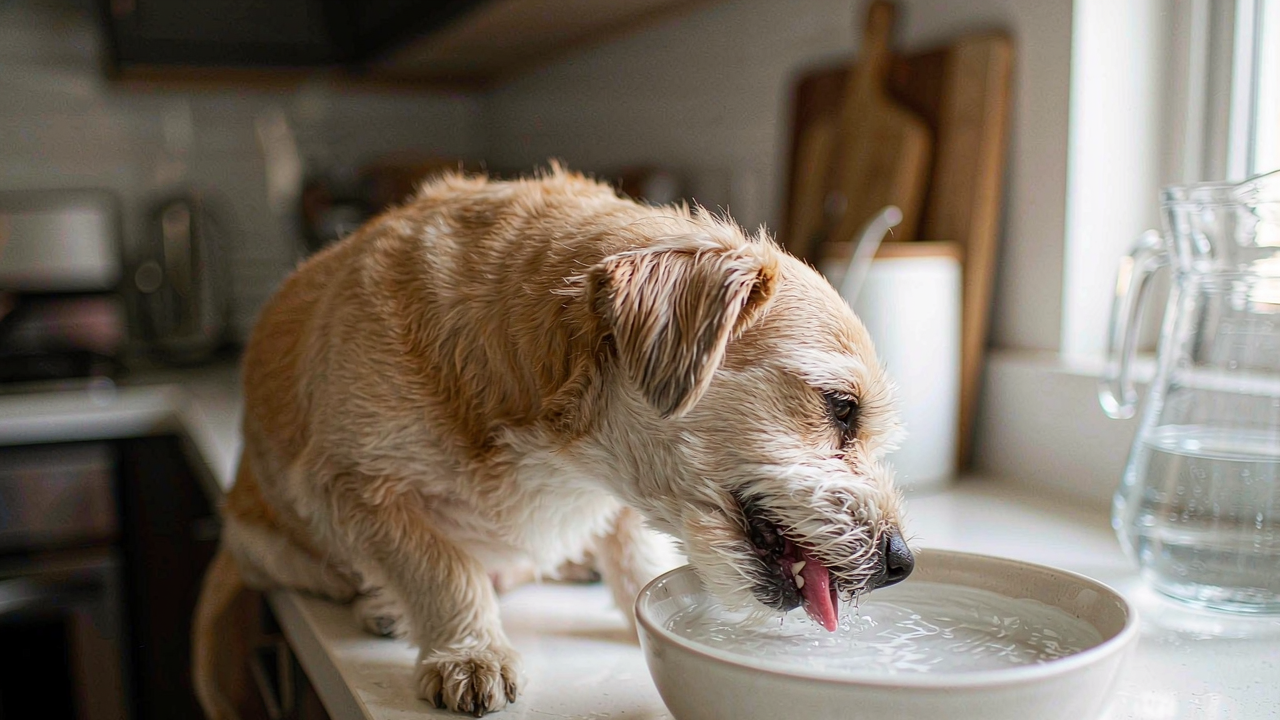
You filled the water bowl this morning, and by the time you sat down for lunch it was empty again. So you refilled it. And an hour later, the bowl was bone dry — with a very satisfied-looking dog standing next to it, tail wagging, asking to go outside for what feels like the fifth time today.
Most owners shrug this off as "it's hot" or "he's just thirsty." Sometimes that's exactly right. But when the drinking and the peeing keep ramping up and don't come back down, your dog isn't just being extra thirsty — his body may be trying to tell you something. The tricky part is knowing when a big water habit is harmless and when it deserves a closer look.
What Counts as "Normal" Drinking
There's no single number that fits every dog, because size, diet, weather, and activity all move the needle. As a rough rule, most dogs drink around one ounce of water per pound of body weight each day. A 50-pound dog, for example, would typically take in roughly 50 ounces of water daily — spread out over the day, not chugged all at once.
That baseline shifts for completely normal reasons. A dog who just ran around the yard on a warm afternoon will drink more. A dog eating dry kibble drinks more than one eating mostly wet food, because canned food already packs in a lot of moisture. Nursing mothers drink more. So does any dog who just finished a long walk.
The word that matters is change. If your dog has always been a moderate drinker and suddenly starts draining the bowl multiple times a day — and asking to go out far more often, sometimes having accidents indoors — that's a real shift from his normal, not just weather.
The Most Common Harmless Reasons
Before you worry, a few everyday causes are worth ruling out:
- Hot, humid weather or a stretch of extra exercise
- A switch from wet food to dry kibble
- Salty or rich treats and table scraps
- A new medication (some prescriptions, especially steroids and certain diuretics, are known to increase thirst)
If the extra drinking tracks with one of these and settles back down once things return to normal, it's usually nothing to lose sleep over. The concern starts when the thirst hangs around for days with no obvious trigger — or when it shows up alongside other changes.
When Extra Thirst Is a Health Signal
When a dog's drinking and urinating both climb and stay high, veterinarians call it polydipsia (the thirst part) and polyuria (the peeing part). They almost always travel together, because the body is trying to flush something out or hold onto water it can't quite keep. A few conditions top the list of usual suspects:
- Diabetes. When blood sugar runs too high, the excess spills into the urine and pulls water along with it. Classic signs are heavy drinking, heavy peeing, a big appetite, and weight loss even while eating well.
- Kidney disease. Aging kidneys lose their ability to concentrate urine, so the dog pees more and drinks more to avoid dehydration. This is most common in older dogs.
- Cushing's disease. An overactive adrenal gland floods the body with cortisol, which raises thirst and urination. Other signs can include a pot-bellied look, thinning skin, and panting.
- Pyometra. An infected uterus in an unspayed female. This one is an emergency — heavy drinking with lethargy and any vaginal discharge means a same-day vet trip.
- Liver disease, infection, or fever. Any of these can raise thirst while the body works to recover.
None of these are things to diagnose at home, and none of them get better by ignoring them. What matters is that they're all more manageable the earlier they're caught.
What to Do Before You Call the Vet
A little homework makes the vet visit far more useful. Do these two things first:
Measure, don't guess. For a couple of days, fill the bowl from a measuring cup and note how much you add each time, then how much is left at the end of the day. A concrete number — "he's drinking about 90 ounces a day now, up from about 50" — tells a vet far more than "he's really thirsty lately."
Track the other stuff. Jot down appetite, weight changes, how often he asks out, any accidents, and any vomiting or changes in energy. If he's on medication, note that too, including any recent changes.
One rule matters above all: don't withhold water. A dog drinking this much is usually doing it because his body genuinely needs it. Restricting water can cause dangerous dehydration and make several of these conditions worse. Let him drink, and let the vet sort out the why.
When to Act Fast
Most of the time, a few days of watching and a scheduled vet appointment is the right pace. But a few combinations mean you shouldn't wait:
- An unspayed female drinking heavily, plus lethargy or any discharge
- Collapse, extreme weakness, or acting disoriented
- Repeated vomiting or not eating for a full day along with the thirst
- A bloated or painful-looking belly
In those cases, call the vet the same day or head to an emergency clinic.
What the Vet Will Likely Do
When you go in, the vet will usually start with a physical exam and then run blood and urine tests. Blood work checks the kidneys, liver, and blood sugar, while a urine test looks at how concentrated the urine is and whether there's sugar or infection present. Depending on what shows up, they may order extra hormone testing or imaging.
The good news is that the process is usually quick, and the treatment depends on the cause. Diabetes is managed with insulin and diet changes. Kidney disease is managed with a tailored diet and supportive care. Cushing's is treated with medication or, sometimes, surgery. Caught early, many of these conditions can be kept under control for years, which is exactly why the "wait and see" approach is the risky one.
Reading the Clues With the Thirst
Thirst rarely shows up alone. The company it keeps often hints at what's underneath:
- Heavy drinking + big appetite + weight loss? Diabetes is a common thread.
- Heavy drinking + gradually thinning coat or a pot belly? Cushing's fits the picture.
- Heavy drinking + bad breath, poor appetite, or vomiting? Kidney or liver issues are worth checking.
- Heavy drinking in an unspayed female, with lethargy or discharge? That's the pyometra emergency flag again.
You don't need to nail the diagnosis — that's the vet's job. You just need to notice which extras are tagging along, because "he's drinking a lot AND losing weight" is a far more useful clue than "he's drinking a lot" on its own.
A few questions owners usually ask:
Can I just watch it for a few more days? If the drinking has a clear trigger — hot weather, a food switch, a new medication — a short watch is reasonable. If it's been climbing for several days with no obvious reason, don't wait it out.
My dog drinks a ton but otherwise seems fine. Is that possible? Sometimes, yes — some dogs are simply big drinkers, and a vet may find nothing wrong after testing. That outcome is still worth getting, because "nothing showed up on the tests" is reassuring in a way that "I never checked" isn't.
Does wet food help? Feeding canned food adds moisture to the diet, which is one reason some owners prefer it. But if a medical condition is driving the thirst, switching food won't fix it — it only changes the baseline. Get the cause checked first.
The Bottom Line
A dog who drinks extra water after a hot walk or a salty snack is nothing to panic about. A dog who's suddenly draining the bowl for days on end — and asking out all the time — is a dog whose body is working harder than it should be. Measure the water, note the changes, and let a vet take it from there. Early testing beats late guessing every single time.
Has your dog ever gone through a sudden "I can't stop drinking" phase? What did it turn out to be — just the weather, or something more? Drop it in the comments so other owners know what to watch for.
This article is for informational purposes only and is not a substitute for professional veterinary advice, diagnosis, or treatment. Always consult a licensed veterinarian if your pet shows signs of illness, injury, or distress. If you believe your pet is experiencing a medical emergency, contact your veterinarian or the nearest emergency animal hospital immediately.
🐾 Enjoyed This Article?
Save it for later, share with a fellow pet parent, or check out more tips on our homepage!
📩 Never Miss a Tip
Get our best pet care hacks delivered straight to your inbox. No spam, unsubscribe anytime.