Why Is My Cat Sneezing? Causes and When to Worry
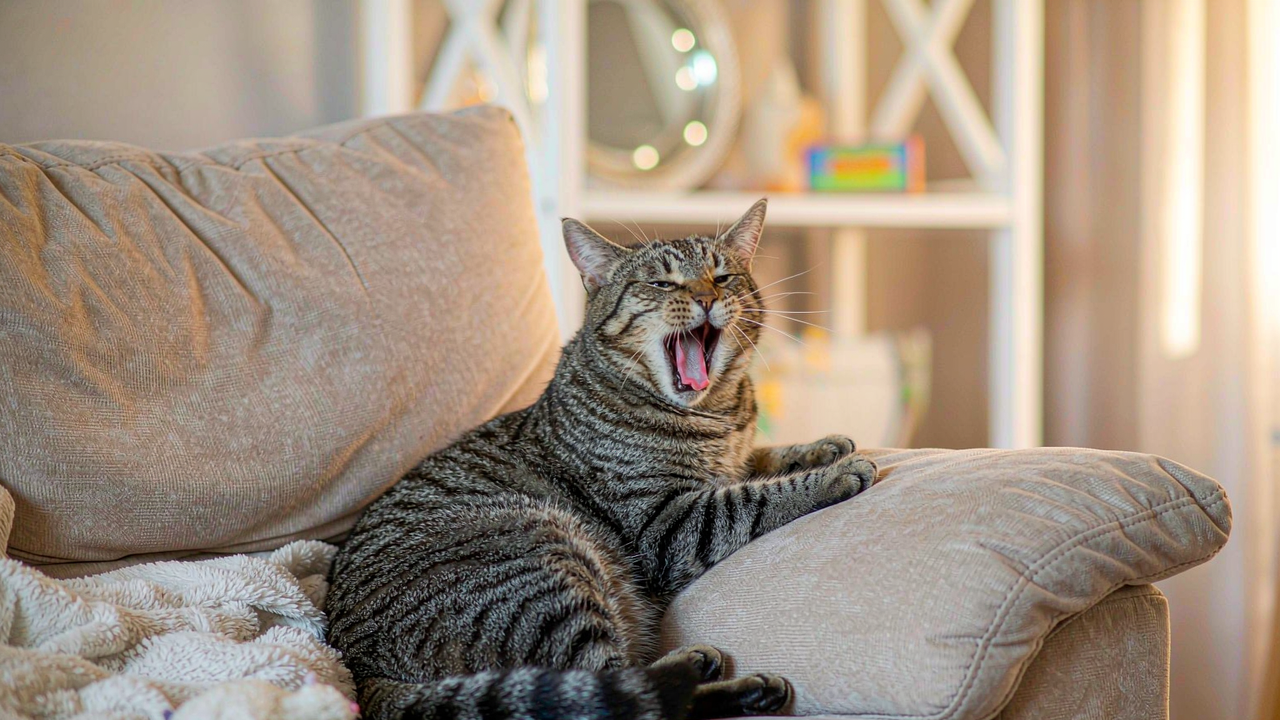
A single little sneeze from a cat is usually kind of cute. Two or three in a row and you start to pay attention. When the sneezing becomes a regular thing — or comes with a runny nose, watery eyes, or a cat who's suddenly hiding — it's natural to wonder what's actually going on. The short answer: sneezing is just a cat's way of clearing something irritating out of its nose. The longer answer is where it gets interesting, because what triggers that sneeze can range from "completely harmless" to "worth a vet visit."
Here's how to tell the difference, and what to do about it.
First, What's Normal?
Occasional sneezing is nothing to worry about. Cats sneeze for the same reason we do — a tickle in the nose, a bit of dust, a sudden sniff of something strong. A random sneeze here and there, with no other symptoms and a cat who's otherwise acting completely normal, is usually just a nose doing its job.
What's less normal is sneezing that's frequent, goes on for days, or shows up alongside other signs. That's when the cause becomes worth investigating.
The Most Common Culprits
1. Irritants in the Air
This is often the simplest explanation, and one of the first worth checking. A cat's nose is extremely sensitive, and a lot of everyday household things can irritate it. Dust, cigarette smoke, perfume, scented candles, air fresheners, strong cleaning products, and even dusty cat litter can all set off a sneezing fit. If the sneezing is intermittent and your cat is otherwise fine, think about what's recently changed in the air around them — a new candle, a deep-cleaned room, a switch in litter brand.
The fix here is usually as simple as removing the irritant. Skip the scented candles and air fresheners, use a low-dust litter, and avoid spraying strong cleaners near your cat's favorite spots.
2. Upper Respiratory Infections
This is the big one, and the most common reason for sneezing that lingers. Cats get their own version of a cold — often called "cat flu" — caused by viruses like feline herpesvirus and feline calicivirus. These are highly contagious between cats and spread quickly in shelters, boarding facilities, and multi-cat homes.
A cat with an upper respiratory infection usually does more than just sneeze. You might see a runny nose, watery or crusty eyes, a mild fever, and a drop in appetite. The good news is that most cases are mild and clear up on their own within a week or two with supportive care. Kittens, senior cats, and cats with weakened immune systems tend to be hit hardest and need closer watching.
It's also worth knowing that these viruses often stay in a cat's system for life, lying dormant and flaring up again during times of stress. A cat who seems to "get a cold" every time there's a big change — a move, a new pet, a holiday visitor — may be dealing with a recurring flare-up rather than a brand-new infection.
3. Dental Disease
This one surprises a lot of owners. The roots of a cat's upper teeth sit very close to the nasal passages. When a tooth root becomes infected, the inflammation and bacteria can push up into the nose — and the result is sneezing, often with nasal discharge, and sometimes bad breath. If your cat is sneezing and also has smelly breath, drooling, difficulty eating, or a preference for chewing on one side, the mouth is a strong suspect.
4. Something Stuck in the Nose
Cats sniff everything, and occasionally something goes a little too far up. A blade of grass, a seed, or a bit of plant material can get lodged in the nasal passage. This usually causes sudden, violent, repeated sneezing, often with pawing at the face, and sometimes a bloody discharge from one nostril. This is not something to try to remove yourself — it needs professional help.
5. Nasal Polyps and Growths
Less common, but worth knowing about. Nasal polyps are non-cancerous growths that can form in a cat's nose or the back of the throat, most often in younger cats. They cause sneezing, nasal discharge, and sometimes noisy or congested breathing. In older cats, growths inside the nose are more likely to be tumors, which can also cause sneezing, one-sided discharge, or even nosebleeds and facial swelling. Any sneezing that's chronic and only affects one nostril deserves a closer look.
6. Allergies
Cats can have allergies, but sneezing is a less common allergy symptom in cats than it is in people. When allergies do show up, they're usually environmental — pollen, mold, dust mites — and tend to be seasonal or tied to a specific setting. More often, an allergic cat will show skin signs like itching and overgrooming rather than sneezing. Still, if your cat sneezes every spring along with itchy skin or watery eyes, it's a possibility worth mentioning.
When to Call the Vet
This is the part to really absorb. Sneezing by itself, in an otherwise happy cat, is usually fine to watch at home for a few days. But sneezing plus any of these means it's time to make a call:
- Thick, colored discharge. Green or yellow snot suggests a bacterial infection. Clear, watery discharge is usually viral or irritant-related and less alarming.
- Blood. Any blood in the nasal discharge, or a nosebleed, warrants an urgent visit.
- Discharge from only one nostril. One-sided discharge often points to something structural — a foreign object, an abscessed tooth, or a growth — and always needs a professional look.
- Loss of appetite. Cats rely heavily on their sense of smell to decide what's food. A congested nose can make a cat stop eating, which can spiral quickly, so it's not something to wait out.
- Lethargy, hiding, or a fever. A cat who's normally social suddenly withdrawing is a red flag.
- Trouble breathing. Open-mouth breathing, noisy breathing, or any sign of distress is an emergency.
- Sneezing that won't quit. Anything that's been going on for more than a week without improvement should be checked.
Comfort Measures You Can Do at Home
While mild cases run their course, there are a few things that genuinely help a sneezy, congested cat feel better:
- Steam it up. Sitting with your cat in a steamy bathroom for ten to fifteen minutes a couple of times a day can help loosen nasal congestion — much like it does for us. A humidifier in the room where your cat sleeps helps too.
- Warm the food. Warming canned food slightly makes it smellier, which helps a congested cat who's lost interest in eating. Smelly options like a little tuna or a strong-smelling wet food can tempt a picky appetite.
- Keep the nose clean. Gently wipe away discharge with a soft, damp cloth so it doesn't crust over and block the nostrils.
- Keep them eating and drinking. Dehydration and not eating are the two biggest risks with a congested cat, so making food and water as appealing as possible is the top priority.
One thing worth knowing: never reach for human cold medicine, decongestants, or any over-the-counter human medication. Several of these are toxic to cats. Medication should only ever come from a professional who knows your cat's history.
The Vaccination Angle
Here's some genuinely good news: the nasty respiratory viruses behind most "cat flu" are largely preventable. Core vaccinations protect against feline herpesvirus and feline calicivirus, meaning a vaccinated cat is far less likely to get seriously ill from them — and far more likely to shake off a mild case quickly. If you've just brought home a kitten, staying on top of that vaccination schedule is one of the best things you can do for their long-term health.
So where does that leave you? If your cat sneezes once and goes back to napping in a sunbeam, relax — that's just a nose being a nose. If the sneezing is frequent, paired with discharge or appetite loss, or just feels "off," trust that instinct and get it checked. The causes are usually treatable, and the sooner you know which one you're dealing with, the sooner your cat is back to their usual self.
Has your cat ever gone through a sneezing phase? What ended up being the cause — and did the steamy-bathroom trick actually help? I'd love to hear how it played out at your place.
This article is for informational purposes only and is not a substitute for professional veterinary advice, diagnosis, or treatment. Always consult a licensed veterinarian if your pet shows signs of illness, injury, or distress. If you believe your pet is experiencing a medical emergency, contact your veterinarian or the nearest emergency animal hospital immediately.
🐾 Enjoyed This Article?
Save it for later, share with a fellow pet parent, or check out more tips on our homepage!
📩 Never Miss a Tip
Get our best pet care hacks delivered straight to your inbox. No spam, unsubscribe anytime.
Shop cat supplies on Amazon & Chewy
Comparing prices before you buy? Check current deals and read reviews from other pet owners.