Why Does My Dog Eat So Fast? The Real Reasons and How to Slow Them Down
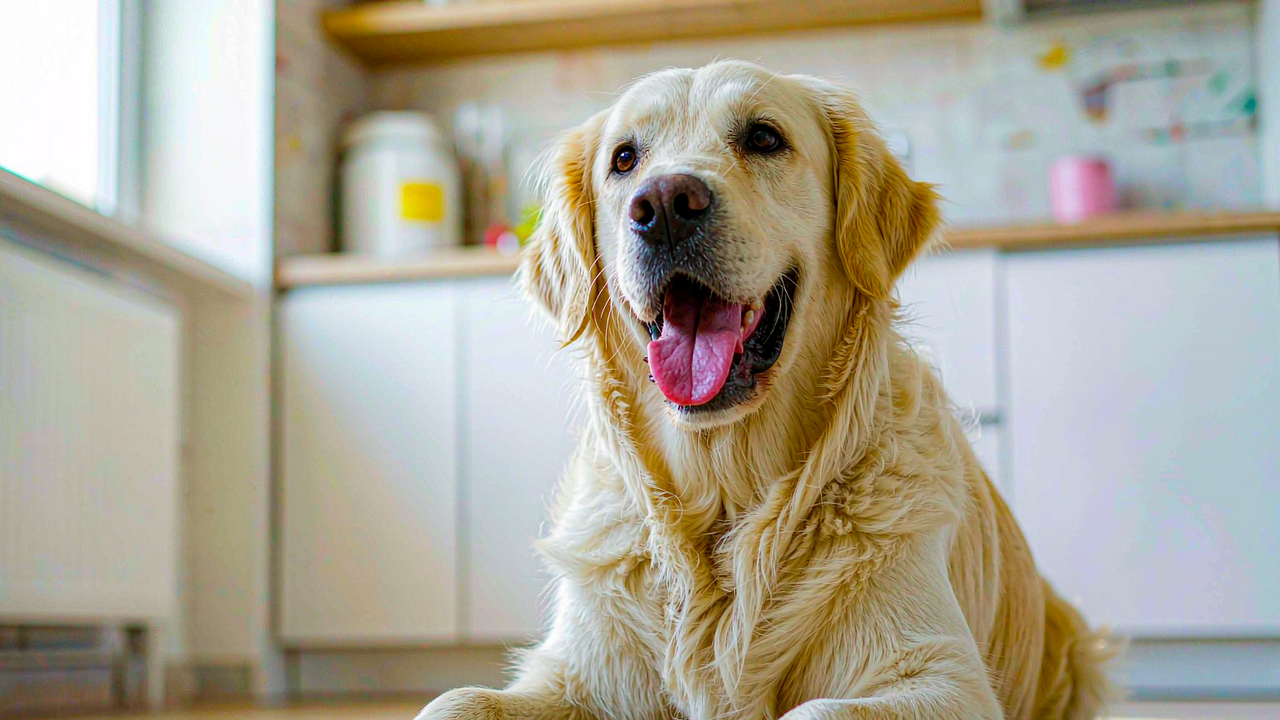
You set the bowl down, turn around to grab a glass of water, and by the time you look back it's already empty. Your dog is standing there licking the sides, looking up at you like, "That's it?" If your dog inhales a full meal in under thirty seconds, you're in good company — and there's actually a lot going on behind that speed-eating.
A dog who gulps food isn't being greedy on purpose. It's usually instinct, habit, or a mix of both. The good news: you can slow it down, and doing so matters more than most people realize. Eating too fast isn't just messy — it can come with real health risks.
Why Some Dogs Eat Like There's No Tomorrow
It's Written Into Their Wiring
Dogs carry a lot of their wild ancestry with them. For wolves and early dogs, food didn't show up on a schedule — it had to be claimed fast before someone else got to it. Eating quickly was a survival skill, not a personality flaw. Plenty of modern dogs keep that "eat now, think later" instinct even when the bowl is refilled twice a day without fail.
There's Competition (Real or Imagined)
This is one of the most common triggers. If you have more than one dog — or even a cat who likes to hover near the bowl — your fast eater may feel pressure to finish before another animal moves in. That competitive mindset often traces back to the litter, where puppies had to jostle for their share of milk. A dog who grew up having to compete for every mouthful often carries that urgency into adulthood, even in a peaceful one-pet home.
A History of Food Insecurity
Dogs who spent time as strays, in a shelter, or in a home where feeding was irregular often eat as if they're never sure when the next meal is coming. For these dogs, the habit can take months — sometimes longer — to soften. The instinct is basically, "I finally have food, and I might not again soon, so I'm eating it all right now." It's not something they're doing to you; it's a leftover survival reflex.
Sometimes It's Medical
Before you chalk it up to personality, it's worth ruling out a health cause. A few conditions can make a dog feel constantly ravenous, which shows up as frantic eating. Diabetes, Cushing's disease, and intestinal parasites can all rev up appetite. If your dog's fast eating is new — or if it's paired with weight loss, a potbelly, increased thirst, or changes in energy — that's a conversation to have with a professional rather than a feeding-bowl fix.
What Actually Happens When a Dog Eats Too Fast
Here's where the "just let them be" approach falls apart. Speed-eating comes with a few real risks.
Gulping Air
When a dog vacuums food, they swallow a lot of air along with it. That trapped air leads to burping, gas, and a generally uncomfortable belly. More concerning, air in the stomach is a known contributor to bloat — and bloat is serious.
Bloat (Gastric Dilatation-Volvulus)
Bloat, officially called gastric dilatation-volvulus or GDV, is one of the scariest things in dog ownership. The stomach fills with gas and can twist on itself, cutting off blood flow and trapping everything inside. It can become life-threatening in a matter of hours. Large, deep-chested breeds are at the highest risk, but any dog can be affected. Eating too fast is one of several factors that can raise the odds, especially when combined with vigorous exercise right after a meal. Signs to know: a distended or hard abdomen, unsuccessful attempts to vomit, drooling, restlessness, pacing, and rapid breathing. If you see these, this is an emergency — get to a vet immediately.
Choking and Regurgitation
Food that goes down without chewing is food that can get stuck. Fast eaters are more likely to choke, gag, or bring the whole meal back up shortly after finishing. Regurgitation is different from vomiting — it happens quickly, often without the heaving and warning signs, and it usually means the food never even made it to the stomach.
How to Slow a Speed-Eater Down
The good news is that this is one of the most fixable dog behaviors out there. You don't need to retrain your dog's entire personality — you just need to change the way the food shows up.
1. Try a Slow Feeder Bowl
This is the most popular fix for a reason: it works. Slow feeder bowls have ridges, channels, and maze-like patterns built into the bottom, so your dog has to work around the obstacles to get each mouthful. It physically prevents them from scooping up huge bites. Just make sure to get a size that matches your dog — a bowl designed for a small dog won't slow down a large one much.
2. Spread the Food Out
You don't need special equipment to slow things down. Spread dry food across a baking sheet or a large plate so your dog has to lick up a few pieces at a time instead of grabbing whole mouthfuls. It's a zero-cost version of the same idea: more surface area, smaller bites.
3. Raid Your Kitchen for DIY Feeders
A muffin tin is a surprisingly good slow feeder. Scatter the kibble into the individual cups, and your dog has to fish pieces out one at a time. You can also turn the tin upside down and scatter food between the raised bumps. Another classic: drop a large, clean ball — one too big to swallow — into the bowl so your dog has to push it around to reach the food underneath.
4. Feed Smaller, More Frequent Meals
Instead of one or two big meals, split the same daily amount into three or four smaller portions. Smaller meals mean less air swallowed per sitting and a lower risk of bloat. This also helps dogs who get frantic when they're very hungry — there's less of a gap between feedings, so there's less panic when the food appears.
5. Give Wet-Food Eaters a Lick Mat
If your dog eats wet or raw food, a slow feeder bowl won't help much. Instead, smear the food across a lick mat — a textured surface with ridges that your dog has to work their tongue into. It turns a thirty-second meal into a ten-minute one and doubles as mental enrichment.
6. Feed Pets Separately
If competition is the trigger, remove the competition. Feed dogs in separate rooms, or at least on opposite sides of the kitchen, so nobody feels the need to defend or race for their food. This alone fixes a surprising number of fast-eating cases in multi-pet homes.
7. Make Mealtime Part of Training
For dogs who are highly food-motivated, use that to your advantage. Hand-feed a portion of each meal as rewards during a short training session, or put the kibble in a puzzle toy that dispenses a few pieces at a time. Your dog gets the same calories, but spread over several engaged minutes instead of a single frantic gulp.
Small Habits That Make a Big Difference
A few tweaks to the routine help even more:
- Stick to a schedule. A dog who knows food reliably arrives at the same times each day is less likely to panic-eat.
- Keep it calm before the bowl hits the floor. Ask for a brief sit or wait before meals. It lowers the excitement level from a ten to a five and sets a calmer tone.
- No vigorous exercise right after eating. A walk after a big meal — especially for deep-chested breeds — can raise bloat risk. Let your dog settle for a while first.
- Measure portions properly. A dog who's genuinely underfed will eat fast for a reason. Check the feeding guide on the food, consider your dog's age, weight, and activity level, and adjust if needed.
When to Bring In a Professional
Most fast eaters just need a better bowl and a calmer routine. But if your dog's speed-eating is new, or it comes with any of these, it's time for a professional opinion:
- Weight loss despite eating eagerly
- Increased thirst or urination
- A distended or firm belly
- Repeated regurgitation, gagging, or choking
- Lethargy or other changes in behavior
These can point to an underlying condition that needs treatment, not just a slower bowl.
The bottom line: a dog who eats too fast usually isn't trying to be difficult. It's instinct, history, or competition — and all of them respond well to a few simple changes. Try a slow feeder, spread the food out, split the meals, and keep the routine calm. Most owners see a real difference within a week or two.
What finally slowed your dog down — a slow feeder, smaller meals, or something else you came up with? I'd love to hear what worked in your kitchen.
This article is for informational purposes only and is not a substitute for professional veterinary advice, diagnosis, or treatment. Always consult a licensed veterinarian if your pet shows signs of illness, injury, or distress. If you believe your pet is experiencing a medical emergency, contact your veterinarian or the nearest emergency animal hospital immediately.
🐾 Enjoyed This Article?
Save it for later, share with a fellow pet parent, or check out more tips on our homepage!
📩 Never Miss a Tip
Get our best pet care hacks delivered straight to your inbox. No spam, unsubscribe anytime.
Shop dog supplies on Amazon & Chewy
Comparing prices before you buy? Check current deals and read reviews from other pet owners.