How to Stop Your Dog from Resource Guarding: The Counter-Conditioning Fix That Works
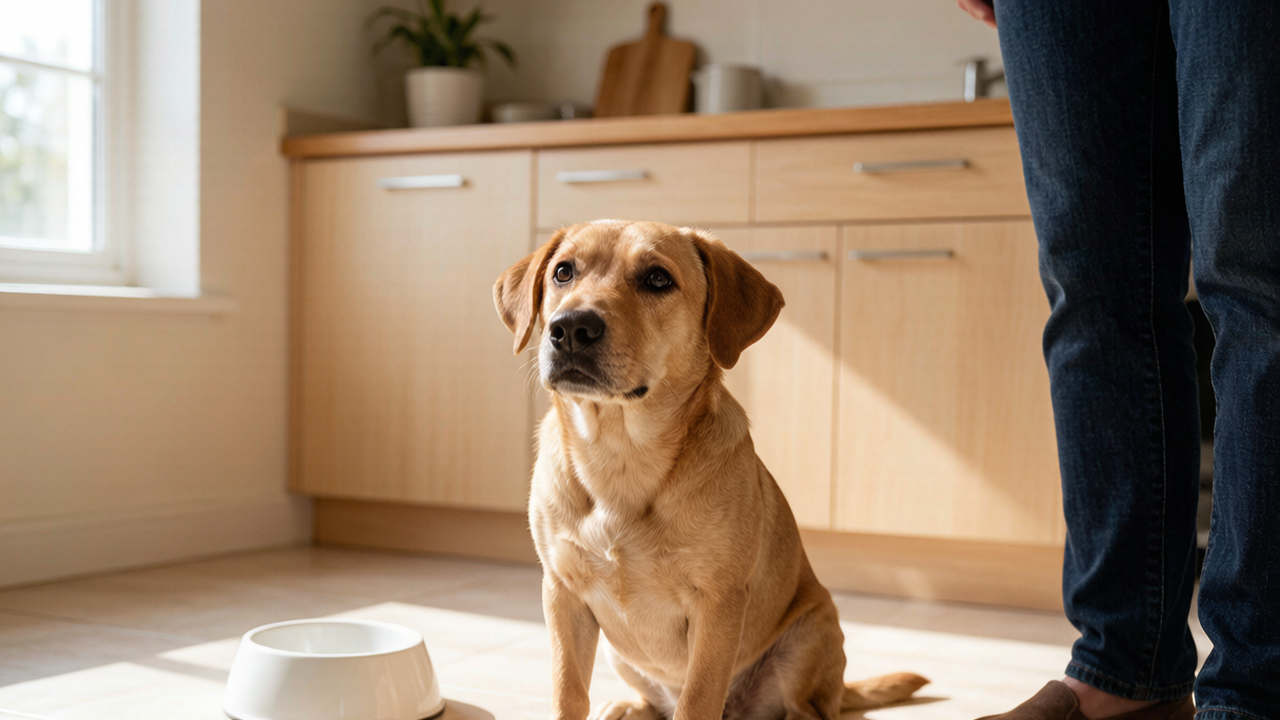
The first time a dog growls over a resource, most owners freeze. You reach down to move the food bowl a couple of inches, and a low rumble comes out of the chest that you've never heard before. The dog isn't mean — they may never have shown a single sign of aggression before. But in that moment, with ears pinned back and body stiff over a half-empty bowl, they look like a completely different animal.
The natural reaction is to back away and then spend an hour online wondering whether you've failed as a dog owner.
If you're reading this because your dog just growled, snapped, or lunged when you got near their food, a chew, or even a spot on the couch, take a breath. You're not a bad owner, and your dog isn't turning aggressive out of nowhere. What's happening has a name — resource guarding — and it is far more common than most owners realise.
That Awkward Moment When Your Sweet Dog Becomes Gollum Over a Rawhide
Resource guarding is exactly what it sounds like. Your dog has decided that something — food, a bone, a squeaky toy, the corner of the sofa — is theirs, and they'll defend it. It's not about dominance. It's not about trying to be the "alpha." It's about fear. Your dog is genuinely worried that whatever they have is about to be taken away.
Veterinary behaviorists estimate that somewhere around 20% of dogs show some level of resource guarding, and it can range from mild (freezing, giving you side-eye) to severe (biting with zero warning). What surprises most owners is that it's actually a survival instinct. Wild canids that successfully protected food lived longer, and a well-fed family dog who has never missed a meal in their life still carries that wiring somewhere in the brain.
So no, your dog didn't suddenly decide to challenge your authority. They're anxious. And the worst thing you can do is try to prove who's boss by taking the thing away.
Three Mistakes to Avoid (Please Don't Do These)
Number one: The "let me just grab it" approach. The thinking goes, "If I just show him I can take his bowl, he'll learn." Terrible idea. Every time you forcibly take something from a guarding dog, you're proving their fear right. You are taking it. Next time they'll escalate faster — maybe skip the growl and go straight to a snap — because they learned the warning didn't work.
Number two: Punishing the growl. It's common to hear owners say they scold their dog for growling. Here's the problem with that: a growl is a warning. It's your dog saying, "I'm uncomfortable, please back off." If you punish that warning away, you don't fix the anxiety — you just teach your dog to skip the warning next time. That's how you get a dog who bites "out of nowhere."
Number three: Feeding in isolation forever. Yeah, feeding your dog in a separate room keeps everyone safe in the short term. But it doesn't teach your dog anything. They don't suddenly become okay with you near their food just because you never go near it. It's management, not a solution.
What Actually Works: The Counter-Conditioning Approach
The right move is to work with a certified trainer or behaviorist rather than push through on your own. The core idea they'll teach: instead of proving you can take the food, you teach your dog that your presence near their food means good things are about to happen.
The technique is called counter-conditioning, and it sounds almost too simple to work. But it does — if you're patient and consistent.
Here's the week-by-week approach.
Week One: The Walk-By Toss
Stop putting the food in a bowl entirely to start. Instead, stand about six feet from where your dog eats — a distance where they're completely relaxed — and toss a piece of boiled chicken near them every time you pass. No eye contact, no stopping, just walk by and drop something far better than kibble.
Within about three days you'll notice the shift. Instead of tensing up when you walk past the eating area, your dog glances up with a look that says, "Oh, it's you. Got anything good?"
Week Two: Getting Closer
Once your dog is relaxed at six feet, move to four. Same thing — walk by, toss something amazing, don't stop. If they stiffen or stop eating, that's your signal that you've moved too fast. Back up a foot and spend another day or two at the previous distance.
The key is reading your dog, not following a calendar. Some dogs need two days at each distance. Some need two weeks. Most fall somewhere in the middle and move through the stages in about three weeks, though you may have to back up a couple of times if you get impatient.
Week Three: The Bowl Return
By the end of week three, you should be able to stand right next to the bowl while your dog eats, drop a piece of chicken directly into it, and walk away. Tail wagging, body loose, looking up expectantly every time you come near.
That's the moment you know you've actually fixed this — not just managed it.
The Ongoing Maintenance
Keep doing a "drive-by treat drop" maybe once a week, just to keep the association strong. Teach all visitors the rule too: don't mess with the dog while they're eating. It's not about distrust — it's just smart.
For dogs that guard toys or chews, the approach is the same but with a twist called "the trade-up game." You offer something better than what they have — genuinely better, like a piece of steak for a rawhide — and you do it so consistently that they start dropping whatever they have the moment they see you coming, because you've become the magic treat dispenser.
When to Call in a Professional (Seriously)
Counter-conditioning works for a lot of dogs. But not every dog.
If your dog has already bitten someone — even if it "wasn't that bad" — stop reading and find a certified behaviorist. The ASPCA and IAABC both have directories. A professional can assess whether there's an underlying medical issue (pain can absolutely trigger guarding), design a safety plan for your household, and guide you through a protocol that actually matches your dog's severity level.
Also, if kids are in the house, the risk calculation changes completely. Children don't read canine body language well, and a guarding incident with a child can turn catastrophic in seconds. Feed your dog behind a closed door and get professional help immediately. This isn't a DIY situation when small humans are involved.
What to Know From the Start
The biggest thing? Resource guarding doesn't mean your dog is broken or dangerous. Some of the sweetest, most well-adjusted dogs have mild guarding tendencies around high-value items. It's a behavior, not a personality defect. And in most cases, it's fixable — not by dominating your dog, but by convincing them that you're not a threat.
A dog who has been through this work may still stiffen a little if another dog comes sniffing around their bowl at the park. With their own person, though, the tail wags — because across hundreds of repetitions they've learned that a human near the food bowl means something delicious is about to land in it.
That's not magic. That's just patience, chicken, and resisting the urge to prove you're the boss.
Resource guarding is common, and it's fixable with the right approach. If your dog shows signs of it, start with the counter-conditioning steps above — and bring in a certified behaviorist early if anyone has been bitten or children are in the home.
🐾 Enjoyed This Article?
Save it for later, share with a fellow pet parent, or check out more tips on our homepage!
Shop dog slow feeder bowl on Amazon & Chewy
Comparing prices before you buy? Check current deals and read reviews from other pet owners.