How to Introduce Your Dog to a New Baby: A Step-by-Step Guide for New Parents
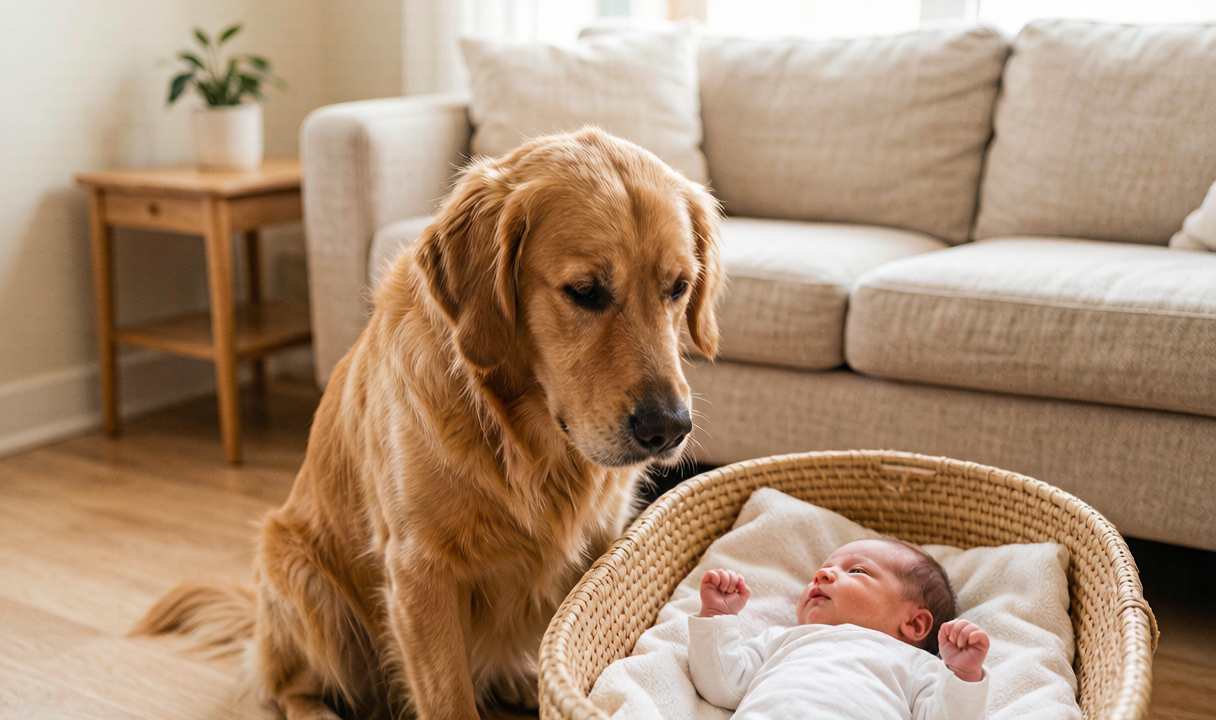 It's common to feel a wave of panic the first time your dog lunges toward the hospital bag you've just set on the floor. Not because the dog is aggressive — they're usually just curious, nosing at the unfamiliar smell with that intense sniffing dogs do when something is really interesting. But in that moment, all you can think is: in a few days, that bag will contain a tiny human, and what if the dog lunges at them instead?
If you're expecting a baby and you've got a dog at home, you already know that knot in your stomach. The love you feel for both of them is huge, and the fear that they won't mesh is equally huge. And honestly, much of the advice online reads like it was pulled from textbooks rather than lived experience — which is exactly why this guide focuses on what actually works in a real home.
So here's what actually works, what commonly goes wrong, and how to avoid the mistakes most families make.
📋 Table of Contents
Start Way Before the Baby Arrives (Like, Months Before)
Start preparing your dog sooner than feels necessary. Many families think two weeks will be enough. It isn't.
The first genuinely helpful step is to set up the baby gear way in advance. The crib, the bassinet, the swing, the changing table. Your dog gets used to all of it while it's still just furniture with no tiny occupant. They investigate, sniff, and eventually ignore it, which is exactly what you want.
Also play baby sounds. It feels silly, but it's one of the most practical steps you can take. Find a free playlist of crying, cooing, and laughing baby sounds and play it at low volume during dinner, then gradually louder over a few weeks. Your dog's initial reaction may be confusion — they'll prick their ears up and stare at the speaker. By week three, they'll just glance over and go back to their bone. That desensitization is worth every awkward moment.
One common mistake is not establishing furniture boundaries early enough. Many families let the dog sleep on the couch for years, then suddenly make it off-limits because the baby will be there. That transition is rough — the dog hovers and whines, clearly feeling displaced. Train "off the couch" a month earlier so they have time to adjust before the new family member arrives.
The Scent Introduction Trick That Actually Worked
Here's the thing that surprises most owners: scent matters more than sight to most dogs. A dog's whole world is smells, and a brand-new human brings a flood of unfamiliar ones.
Before bringing the baby home, have a family member bring home a blanket from the hospital that the baby was wrapped in. Let your dog sniff it thoroughly — not a quick pass, but a full investigation. They may spend five minutes with their nose buried in it. Then place the blanket on the floor near their bed so they can choose to approach it or not.
The result? When you actually walk in with the baby, your dog won't go into that frantic sniffing mode. They've already met the baby through smell. They'll be calm, curious but not overexcited, which makes the first real introduction much smoother.
Also rub baby lotion on your hands before petting your dog in the weeks leading up to the birth. It sounds odd, but it works — they start associating that specific scent with affection and attention from you.
The First Meeting: Keep It Low-Key
A common tip is to have someone else hold the baby while you greet the dog first. The logic is that your dog has missed you (especially if you've been away at the hospital), and you should meet their emotional needs before introducing the new element.
It's the right call. Have a family member come in first and give the dog a calm greeting — not the excited "OMG YOU'RE HERE" energy they usually get, but a quiet pet and a sit command. Once the dog is settled, you walk in with the baby.
Key detail: hold the baby close and don't reach toward the dog. Let them approach at their own pace. They'll sniff the baby's feet (babies have surprisingly interesting foot smells, apparently), then the head, and then often settle down nearby like they've decided this is fine.
The whole first meeting should last maybe ten minutes. No fanfare, no forcing interaction, no narration. Just a calm, slow, let-the-dog-process-it encounter.
Setting Up the New Rules Without Making It Feel Like Punishment
Here's where a lot of pet parents go wrong: they suddenly impose a ton of new restrictions on the dog right when the baby comes home. No more couch, no more sleeping in the bedroom, no more free access to every room. It feels like punishment to the dog, and that's exactly how they interpret it.
What works is creating new positive spaces rather than just taking away old ones. Set up a comfortable dog bed in the living room corner with their favorite blankets and a new toy. Make that spot genuinely appealing — not a banishment zone, but a "this is your awesome new spot." They'll learn to go there on command ("go to your place"), and reward them heavily every time they choose it voluntarily.
Also keep the dog's routine as intact as possible. Walks at the same time. Meals at the same time. A short play session every evening, even when you're exhausted. Dogs thrive on predictability, and a new baby is chaos. Maintaining the parts of their schedule that stay the same makes a huge difference in how they handle everything else that changes.
How to Tell It's Working
About six weeks in, you may be nursing on the couch while your dog lies on their designated spot on the floor. The baby makes a little squeaky sound, and the dog lifts their head, looks, and then lets out a soft sigh and goes back to sleep. Not alert, not anxious, not hovering. Just... at peace with the situation.
That's the moment you'll know it's working. Not perfectly — there will still be moments where they get underfoot, or whine when you're holding the baby and not petting them. But the baseline is good. They've accepted the baby as part of the household, not as a threat or an intruder.
Red Flags to Watch For (Including One Easy to Miss)
The standard advice says to watch for growling, snapping, or stiff body language around the baby. Those are obvious red flags and they warrant immediate professional help from a certified dog trainer or behaviorist.
But the one that catches many families off guard is resource guarding. About two months in, a dog may start hovering near the baby's bottle — not aggressively, but with that intense focus and slight lip lick that dog behaviorists flag as early guarding behavior. They aren't guarding from you; they're treating the bottle (which smells like milk, i.e., food) as a valuable resource. Catch it early by teaching "leave it" specifically around baby items, and reward heavily for disengaging.
Other red flags worth knowing:
- Stiffening when the baby approaches (body goes rigid, ears pinned back)
- Avoidance — if your dog actively leaves the room every time the baby enters, that's not "being good," it's being overwhelmed
- Excessive licking the baby — it looks affectionate but can be anxious displacement behavior
- Hyper-vigilance — the dog can't relax, constantly tracking the baby's movements
If you see any of these, don't wait. Get a professional involved early. The ASPCA has great resources, and a certified behaviorist can usually address these in a few sessions if caught early.
Key Takeaways for New Parents
Here's the core advice to keep in mind:
- 1. Start preparing earlier than you think you need to. Three months, not two weeks.
- 2. Don't make your dog feel like they lost their life. Add new positive things, don't just subtract old privileges.
- 3. Scent first, sight second. Dogs process the world through smell. Use that.
- 4. Keep the first meeting boring. Low energy, no forcing, let the dog take their time.
- 5. Maintain routine fiercely. Walks, meals, play — keep those sacred.
- 6. Watch for the subtle signs, not just the obvious ones. Stiffening, avoidance, and resource guarding are just as important as growling.
- 7. Get professional help early if anything feels off. Don't hope it improves on its own.
A dog and baby who are introduced well often become best buddies — the dog lies next to the play mat, brings toys (sometimes inappropriate ones), and waits by the door when the baby naps. It takes work, patience, and more than a few moments of doubt. But the relationship they build is worth every bit of effort.
What was your biggest worry when introducing your dog to a new family member? Share your experience in the comments — it helps other readers feel less alone about the process.
Frequently Asked Questions
How do I introduce my dog to my newborn?
Start by having someone else hold the baby while you greet your dog calmly. Let your dog approach the baby at their own pace — don't force interaction. Keep the first meeting short (5-10 minutes) and low-energy. If your dog seems overly excited, wait until they're calm before allowing close contact.
When should I start preparing my dog for a baby?
Ideally, start 2-3 months before the baby arrives. Set up baby gear early, play baby sounds to desensitize your dog, establish new boundaries (like furniture rules), and reinforce basic obedience commands. Rushing preparation in the last two weeks is the most common mistake pet parents make.
How do I know if my dog is stressed around the baby?
Watch for subtle signs: stiffening when the baby approaches, actively leaving the room when the baby enters, excessive licking of the baby, hyper-vigilance (constant tracking), and resource guarding of baby items. If you notice any of these behaviors, consult a certified dog trainer or behaviorist right away — early intervention is key.
Shop dog baby gate on Amazon & Chewy
Comparing prices before you buy? Check current deals and read reviews from other pet owners.