Dog Water Safety: Lakes, Pools, and Summer Dangers
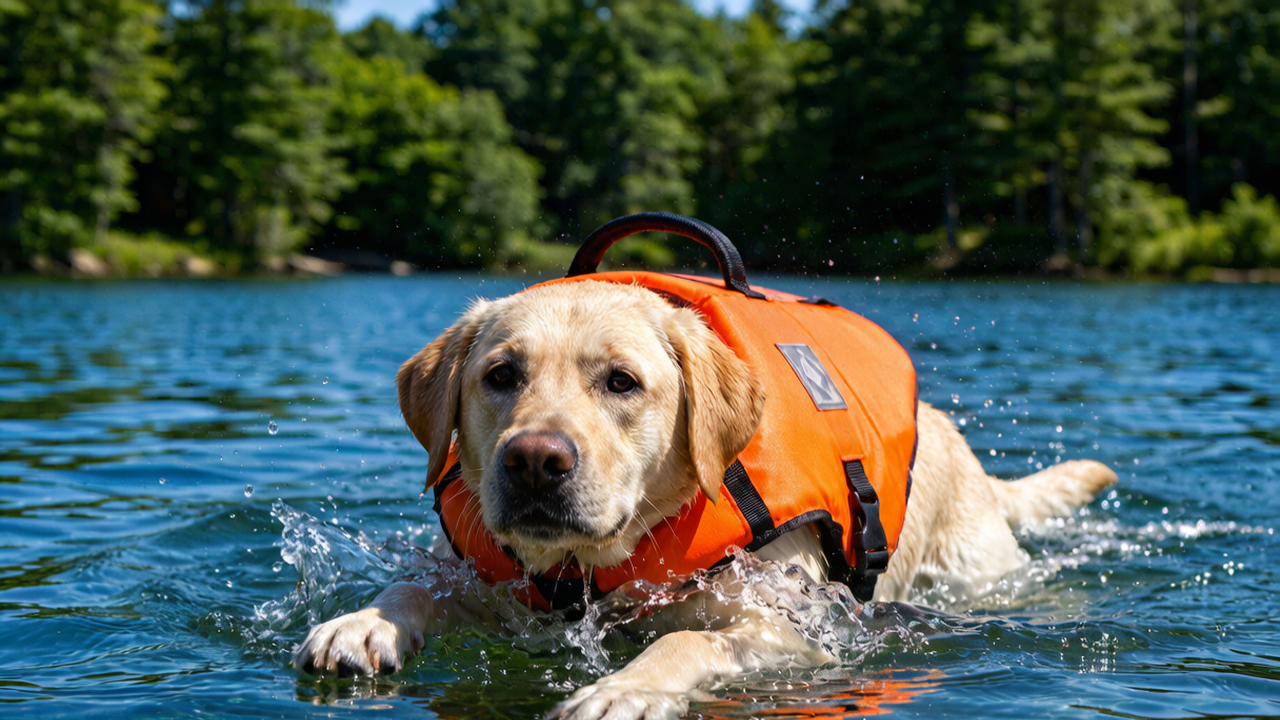
Picture a perfect August afternoon at the lake — 87 degrees, not a cloud in the sky, the water flat and calm. A retriever launches off the dock before the shoes are even unlaced, and everyone relaxes, because this is exactly what these dogs are built for.
He swims for maybe 20 minutes. Nothing extreme.
Then he stumbles getting out of the water. Easy to write off — wet dock, middle-aged dog, whatever. But ten minutes later he's still unsteady on his feet. Then the drooling starts, far heavier than the normal post-swim kind. His eyes look glazed.
This is the moment thousands of owners end up searching "dog acting drunk after swimming."
It's also how most of them discover a summer emergency that almost nobody warns them about.
There's More Than One Way for Water to Hurt Your Dog
When people think "dog water safety," they picture a dog struggling to stay afloat in deep water. That's absolutely a real risk — and we'll get to it — but it's maybe the third or fourth most common water emergency vets see in summer.
The one behind that drunken stagger is water intoxication, also called hyponatremia. Here's what happens: when a dog swims with their mouth open — which most do, especially retrievers who practically snorkel — they swallow a lot of water. Not drinking it intentionally. Just taking it in while they paddle, retrieve toys, or bite at splashes.
If they swallow enough, the sodium levels in their blood drop dangerously low. The body tries to compensate by pulling water into cells to balance things out. Brain cells swell. And that's when you get the drunk-walking, the drooling, the glazed eyes.
Caught early, the outcome is usually good. Typical vet guidance in a mild case is to keep the dog calm, offer small amounts of electrolyte-enhanced water, and watch closely for a couple of hours — many dogs are back to normal by evening. If your dog is wobbly after swimming, make that call from the parking lot instead of waiting to see whether it passes.
But dogs die from this every summer. And almost nobody talks about it.
The Three Killers Most Owners Don't See Coming
Water intoxication is one. Here are the other two that catch owners off guard every summer.
Blue-Green Algae: The Invisible Threat
You can't always see it. That's the terrifying part. Blue-green algae (actually cyanobacteria, not algae at all) can bloom in stagnant freshwater — ponds, lakes, slow-moving creeks — especially in late summer when the water's been warming for months. Sometimes it's visible as a green scum on the surface. Sometimes it's not.
What makes it deadly: the toxins attack the liver. A dog can swallow contaminated water while swimming, start showing symptoms within 15 minutes to an hour, and be dead before you reach a vet. Symptoms look like severe poisoning — vomiting, diarrhea, seizures, collapse. There is no antidote. Treatment is aggressive supportive care and it often fails.
Cases follow the same pattern every summer: a healthy young dog swims in a pond that "looked fine," and is in crisis within hours. The owner rarely has any warning, because a bloom can be patchy, wind-blown to one edge, or barely visible at all.
The takeaway isn't "never let your dog swim in lakes." It's this: check local water quality advisories before you go. If the water looks pea-soupy or has visible scum, keep your dog out of it. And a small, stagnant pond in late summer is worth skipping entirely.
Silent Drowning and Near-Drowning
Not every dog is a natural swimmer. Labs and Goldens usually figure it out. Bulldogs, Pugs, Boxers, and other flat-faced breeds? They sink. Their body structure — heavy chest, short muzzle, short legs — makes swimming genuinely difficult. An English Bulldog stepping off a pool step can go straight down like a rock, and it happens in seconds. Never assume your dog can swim until you've watched them do it in shallow, controlled water.
Even strong swimmers get into trouble. Dogs don't know to swim parallel to shore when caught in a current, and they don't understand that exhaustion means stop — they'll keep paddling until they physically can't. A retriever locked onto a stick will happily end up 80 yards out and visibly tired without registering the problem.
The practical stuff that actually matters:
Get a dog life jacket. Not a cute one. One with a handle on the back so you can lift your dog out if needed. The Ruffwear Float Coat is a popular pick at around $80 and holds up for years of summers. That top handle is the entire point: it's what gets a dog untangled from lake weeds, or hauled back onto a dock with a steep edge, in one motion.
Know where the exits are. Before your dog gets in any body of water, scan for how they'll get out. Pool steps — do they know where they are? A dock — is there a ramp or shallow area? A riverbank — is it too steep to climb? Dogs panic when they can't find an exit, and panicked dogs make bad decisions and exhaust themselves fast.
Dry their ears after every swim. This one's boring but important. Moisture trapped in the ear canal after swimming is the #1 cause of summer ear infections, and a few skipped dryings after lake days is all it takes. A vet visit plus a week of ear drops runs well over $100; a microfiber towel kept in the car costs nothing and takes 30 seconds per swim.
The Water-Day Cheat Sheet
Build your water days around this routine and most of the risk disappears:
Before you go:
- Check local water quality reports for algae blooms (most state parks post these online)
- Pack: life jacket, microfiber towel, fresh water bowl, water from home (not from the lake), dog first aid kit
- For a new spot, check satellite photos ahead of time to find shallow entry points and potential hazards
During:
- Keep the life jacket on unless it's a familiar spot with a gentle entry and no currents
- Enforce breaks every 15-20 minutes — call your dog back, have them lie down on shore for five minutes, and offer a little fresh water
- Watch their swimming style. If the back end starts sinking lower than the front, that's fatigue, and the swim is over
- No fetch toys that sink or have to be dived for — that's how dogs swallow excessive water
After:
- Rinse your dog off with clean water (lakes and pools both leave residue you don't want drying on their coat)
- Dry the ears thoroughly — lift the ear flap and gently wipe the visible part of the canal with a dry microfiber cloth
- Watch for 30 minutes for any wobbliness, excessive drooling, vomiting, or behavior changes
The pool-specific stuff:
- Show them the steps. Multiple times. Practice having them find the steps from different angles.
- Never leave a pool uncovered and accessible. Even dogs who know how to swim can fall in and not find the exit.
- If you have a pool cover, make sure it's the solid safety kind, not the floating kind. Dogs walk onto floating covers thinking it's a solid surface, then get trapped underneath.
A Quick Note on "Water-Loving" Breeds
It's tempting to assume a Lab or other water breed doesn't need water safety rules. That's exactly backwards. The dogs who love water most are the ones most at risk for water intoxication — they're the ones spending hours with their mouths open in the lake. They're also the most likely to swim past the point of exhaustion, because retrieving is literally what they were bred to do.
Meanwhile, the dogs who are most at risk for drowning aren't the water-haters — they'll stay away. It's the curious ones. The ones who'll follow you onto a dock and misjudge the edge. The ones who see a duck and forget that they don't know how to swim.
The Bottom Line
Water days with your dog should be some of the best days of summer, and with the routine above they will be. Knowing what to watch for is the whole difference between a great afternoon and an emergency drive to the vet.
Three things worth remembering:
- If your dog acts drunk or off-balance after swimming, it could be water intoxication — get them to a vet
- Check for algae blooms before letting your dog in any natural water in late summer
- Get a life jacket with a handle and actually use it
Every dog has a strong opinion about water — some launch off docks, some wade to their ankles and then stare at you like you've betrayed them. Either way, the safety routine is identical: watch for the drunken stagger, check the water before they go in, and use a life jacket with a handle.
This article is for informational purposes only and is not a substitute for professional veterinary advice, diagnosis, or treatment. Always consult a licensed veterinarian if your pet shows signs of illness, injury, or distress. If you believe your pet is experiencing a medical emergency, contact your veterinarian or the nearest emergency animal hospital immediately.
🐾 Enjoyed This Article?
Save it for later, share with a fellow pet parent, or check out more tips on our homepage!
📩 Never Miss a Tip
Get our best pet care hacks delivered straight to your inbox. No spam, unsubscribe anytime.
Shop dog supplies on Amazon & Chewy
Comparing prices before you buy? Check current deals and read reviews from other pet owners.