A Destroyed Door Frame and a Neighbor's Note — Addressing Dog Separation Anxiety
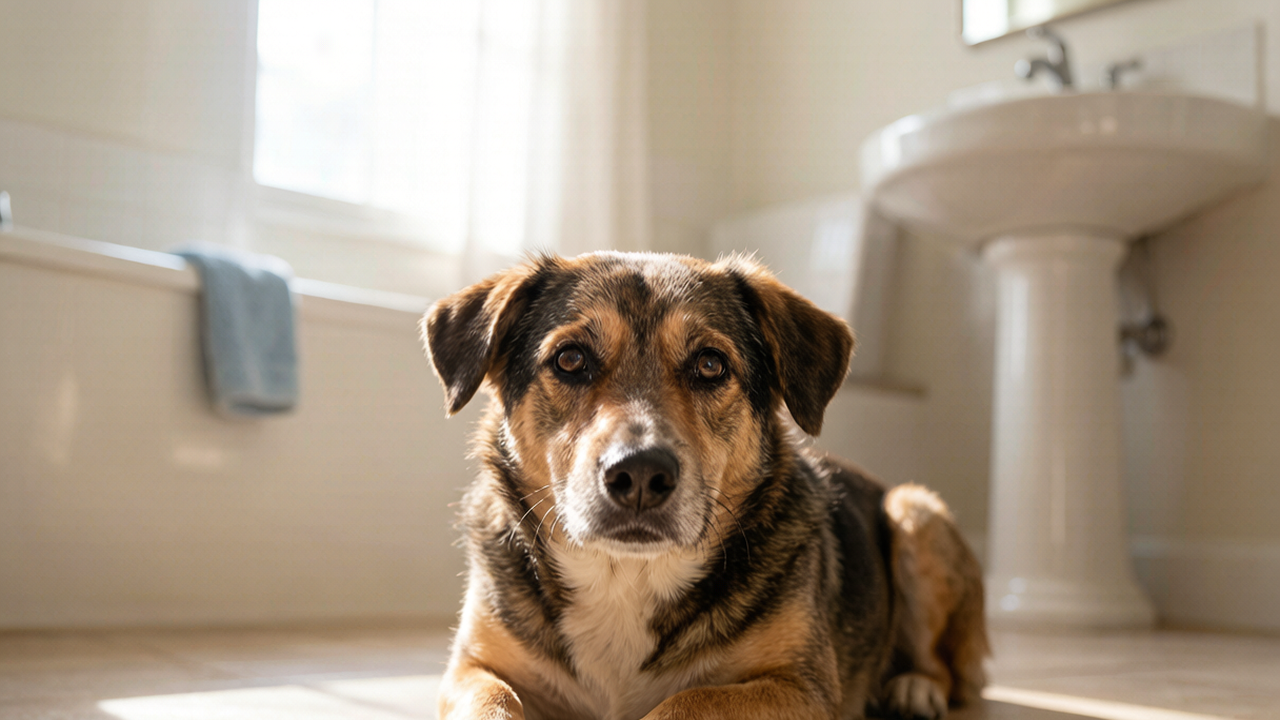
Separation anxiety is one of the most common — and most misunderstood — behavioral problems dog owners face. A dog left alone may howl for hours, destroy a door frame, or soil the house, and the damage can be severe enough to draw blood from broken nails or scraped gums. These are not "bad dog" behaviors. They are signs of genuine panic.
The condition is both recognizable and treatable. As many as 14% of dogs are affected by separation-related problems at some point, according to research cited by the American Kennel Club (AKC), and the ASPCA maintains a detailed owner guide to its signs and treatment (ASPCA). The key is to treat the cause — a fear of being alone — rather than the damage it leaves behind.
Separation Anxiety Is a Panic Response, Not a Spiteful Act
The first hurdle is dropping the assumption that a dog is "being dramatic" or acting out of revenge. Owners often come home to chewed mail, urine on the rug, or a shredded door and conclude the dog is punishing them for leaving. That is not how canine brains work.
True separation anxiety is a panic response driven by the same stress circuitry that produces a human panic attack. The dog is not choosing to destroy property; they are afraid and trying to escape or signal distress. Howling and barking are distress calls, not attention-seeking mischief.
The practical way to tell anxiety from simple boredom is timing. A bored dog may chew a shoe for a few minutes and then nap. A dog with separation anxiety typically begins showing distress within seconds of the door closing — pacing, drooling, panting, or barking. The destruction follows the panic, not idle entertainment. If your dog reacts immediately to your departure, you are dealing with anxiety rather than boredom.
A Second Dog Rarely Fixes the Problem
A common piece of advice at the dog park is to get the dog a companion: "Dogs are pack animals, he's lonely." The logic rarely holds. Separation anxiety is about attachment to a specific person, not a general need for canine company. A veterinarian will often ask a telling question: does the dog panic when left with other dogs at daycare? In most cases the answer is no, because the trigger is the absence of the bonded owner, not solitude itself.
Adding another dog usually produces two anxious dogs instead of one. It is not a reliable fix and can multiply the management burden.
A Gradual Desensitization Plan That Builds Tolerance
The honest part first: there is no weekend fix. Rebuilding a dog's tolerance for solitude is usually measured in weeks, sometimes months. The plan below follows the standard desensitization model used by trainers and outlined in the ASPCA's owner guide (ASPCA).
Step 1: Stop the Panic Cycle
Before any training can stick, the dog must stop rehearsing panic. Every full-blown episode reinforces the belief that being alone equals terror. For one to two weeks, the dog should not be left alone long enough to panic — arrangements might include a friend, a pet sitter, doggy daycare, or working from home. The goal is to stop adding new traumatic associations before building new, calm ones.
Step 2: Break the Departure Trigger Chain
Dogs learn to read departure cues — keys, shoes, the sound of the door. Practice these rituals without leaving: pick up the keys and put them down, put on shoes and take them off, open the door and close it. After enough repetitions spread over several days, the cues stop predicting departure and lose their power to trigger anxiety.
Step 3: Train the Absence in Tiny Increments
This is the slow phase that tests owners' patience. Step outside, wait a short interval — thirty seconds to start — then return with no drama. No big greeting, no fuss. Then two minutes, then five. If the dog shows any stress signal, even a lip lick or yawn, drop back to a shorter interval. Pushing through the anxiety does not build tolerance; it confirms the dog's fear. The only way to teach "you always come back" is to actually return before panic sets in. A simple log helps: note the time achieved and any stress signs, and regress as needed. Most dogs reach forty-five minutes of calm within roughly eight weeks of consistent work.
Step 4: Pair Departure With a High-Value Reward
Introduce a frozen food-stuffed toy (a Kong filled with peanut butter, banana, and kibble works well) given only when you leave. The aim is to flip the emotional association: departure shifts from "she's leaving, I'm afraid" to "she's leaving, the special food appears." For dogs too anxious to eat in the early stages, build the positive association during calm, non-departure moments at home first, then during very short absences once anxiety is low enough for food motivation to return.
Tools That Help — and Ones That Don't
Pressure wraps (such as a ThunderShirt) calm some dogs but do nothing for others; a wrap is a management aid, not a cure. Leaving a TV or radio on, or using a heartbeat-pillow toy, helps a minority of dogs and is harmless to try, but it should not replace a structured plan. One approach that often backfires is deliberately ignoring the dog for a long period before leaving — dogs are sensitive to changes in routine and may read the cold shoulder as a warning that something is wrong, which raises anxiety.
The broader lesson is that every dog is an individual. If a method shows no benefit after a fair trial, drop it rather than forcing it because it worked for someone else's border collie online.
When Medication May Be Appropriate
Veterinarians increasingly view separation anxiety as a medical condition as much as a behavioral one. A common framing from clinicians: if a dog had a physical illness causing this much distress, no owner would hesitate to treat it — and the brain is an organ too. Medications such as fluoxetine, an SSRI approved for dogs, are described by the AKC as a tool that can lower baseline anxiety enough for behavior modification to work (AKC).
Medication is not a standalone solution and is not right for every dog. When used, it typically smooths the edges so the dog can learn and respond to cues within a departure window instead of reacting instantly. Owners who have trained consistently for months with little progress should raise the topic with their veterinarian. Needing medication is biology, not a personal failing — and it should always be prescribed and monitored by a vet.
Milestones That Show the Training Plan Is Working
Dogs that complete a gradual plan can often tolerate several hours alone without distress, settling on a favorite bed or couch rather than pacing. Many owners keep a departure-only stuffed toy as part of the routine because it sustains the positive association. The change is rarely sudden. Anxiety is not built in a day and is not resolved in a day either.
The cumulative effect matters more than any single session. Each tiny absence, each calm return, and each positive departure adds up. The core message for anyone starting this work: you are not alone, the dog is not broken, and the problem is fixable — it simply takes longer than anyone wants it to.
🐾 Enjoyed This Article?
Save it for later, share with a fellow pet parent, or check out more tips on our homepage!
Shop dog separation anxiety calming on Amazon & Chewy
Comparing prices before you buy? Check current deals and read reviews from other pet owners.