Cat Dementia: Signs of Cognitive Decline in Senior Cats and How to Help
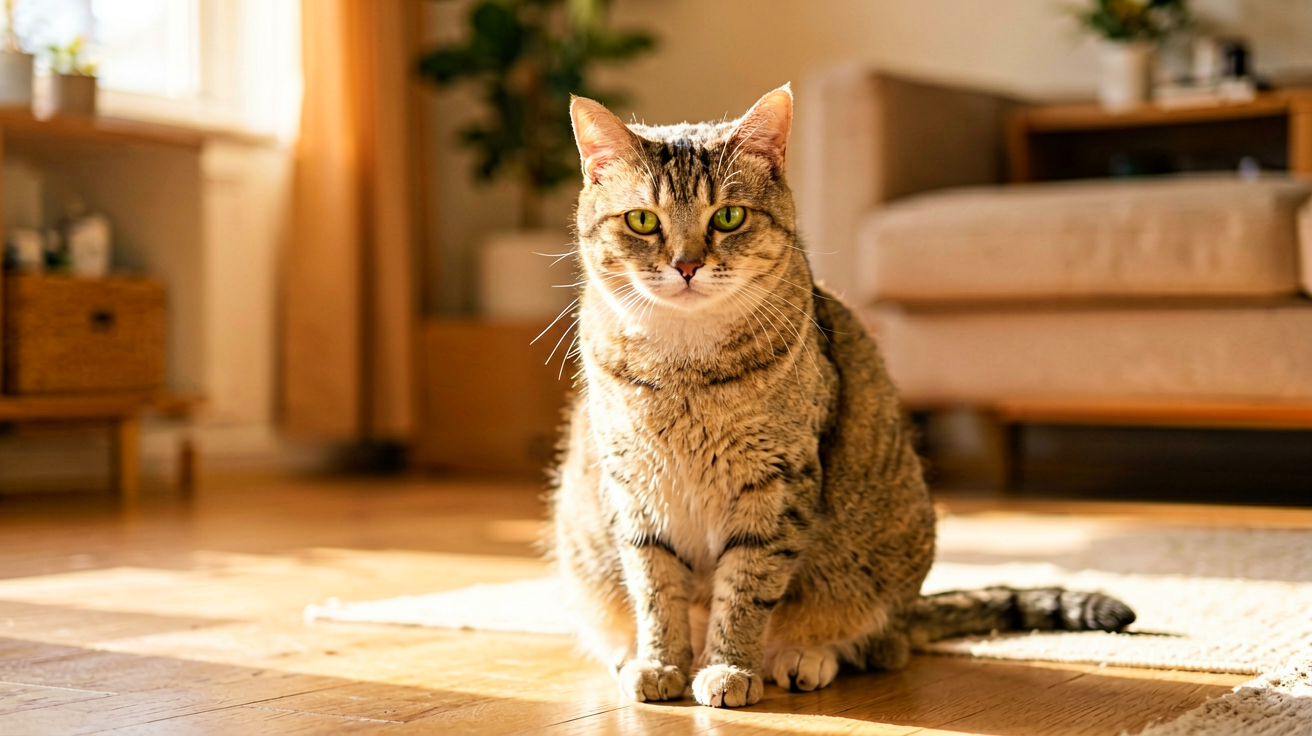
You've had your cat for a decade, and lately something's been off. They howl at three in the morning for no reason you can find. They stand in the hallway staring at a wall. They walked right past their food bowl this morning like they'd forgotten where it was. It's easy to shrug and call it "just getting old" — but a lot of these changes aren't normal aging, and there's actually a name for what's happening. It's called cognitive dysfunction syndrome, or CDS, and most people simply call it cat dementia. The good news is that once you recognize it, there's a surprising amount you can do to make your cat's later years a whole lot more comfortable.
What Cat Dementia Actually Is
Feline cognitive dysfunction is an age-related decline in brain function, and it affects memory, sleep patterns, litter box habits, how a cat relates to people, and how they find their way around familiar spaces. It's most common in cats around ten years and older, and the chances climb with age — by the time a cat reaches fifteen or beyond, well over half show some signs of cognitive change. The numbers are stark, but here's the frustrating part: a huge portion of these cats are never diagnosed, because owners write the changes off as "senior moments." That's exactly why knowing the signs matters so much.
The Signs to Watch For
The changes usually show up gradually, not overnight, and they tend to fall into a recognizable pattern. Vets often group them under an acronym worth remembering — DISHA — because it makes the early signs easier to spot.
Disorientation. Your cat seems lost in a room they've lived in for years, wanders aimlessly, or stares at walls or into space. They might forget where the litter box or the food bowl is, or stand near the bowl without eating until someone guides them to it.
Interaction changes. Some cats become clingy and anxious, following you from room to room. Others do the opposite and pull away, losing interest in people or other pets they used to seek out. Either shift, from their usual baseline, is a signal.
Sleep-wake cycle changes. This is often the first thing owners notice, because it's so disruptive. Your cat sleeps all day and then paces, wanders, or yowls at night — sometimes loudly enough to wake the whole house.
House soiling. A cat who has used the litter box faithfully for years suddenly starts going outside it. It's not spite. They may simply be forgetting where the box is, or getting confused about the route to it.
Activity changes. Pacing, restlessness, or the opposite — becoming withdrawn and inactive, losing interest in play or food.
Anxiety. Restlessness, irritability, or increased vocalization that seems to come out of nowhere.
The key thing to remember is that none of these is automatically "just old age." They're red flags worth mentioning to a vet, because a lot of treatable conditions can cause exactly the same behaviors.
Why a Vet Visit Comes First
This is the part a lot of people skip, and it's the most important step. The behaviors above aren't unique to dementia — they can be caused by a whole list of other things, many of which are treatable. Arthritis pain can make a cat avoid a high-sided litter box or stop jumping onto their favorite spot. An overactive thyroid can cause restlessness and nighttime yowling. Kidney disease changes thirst and urination habits. High blood pressure, vision loss, hearing loss, and even dental pain can all make a senior cat seem confused or withdrawn.
Because of that overlap, dementia is a diagnosis your vet reaches by ruling everything else out — usually with a physical exam, bloodwork, urine testing, and often a blood pressure check. Treating an underlying problem can dramatically improve behavior, even when cognitive decline is part of the picture too. If you can, jot down a timeline of when the changes started and grab a short video of the odd behavior — those two things help a vet spot patterns faster than any description can.
One more note: if any of these changes appear suddenly, over hours or days, don't file them under dementia. Rapid changes are less typical of cognitive decline and more likely to point to something urgent. Sudden disorientation, collapse, seizures, trouble walking, not eating, or vomiting warrant a call to the vet right away.
How to Help at Home
There's no cure for feline cognitive decline, but the goal isn't to turn back the clock — it's to reduce confusion, lower stress, and keep your cat comfortable and content for as long as possible. A few thoughtful changes to their environment do more than almost anything else.
Keep things exactly where they are. Consistency is comfort for an aging brain. Keep food, water, beds, and litter boxes in the same spots, and resist the urge to rearrange furniture. Predictable routines — feeding, playing, and interacting at the same times each day — help a confused cat feel grounded.
Make the essentials easy to reach. Use low-entry litter boxes, and put one on every level of the home so your cat never has far to go. Add ramps or steps to favorite resting spots if jumping is getting hard. Keep pathways clear so there's nothing to trip over in the dark.
Light the way at night. Nighttime is when disorientation hits hardest. Soft night-lights in hallways and near the litter box make a real difference, since a cat who can see their route is far less likely to yowl in confusion.
Give their brain gentle work. Short play sessions and easy food puzzles help keep memory and motor skills engaged — but keep it gentle, and make sure there are plenty of quiet times to rest undisturbed. Some cats also settle with calming pheromone diffusers, scheduled feeding, and soft background sound at night.
Feed in a way that supports an aging brain. Diets rich in antioxidants and omega-3 fatty acids are often part of the picture, and some cats do well on specially formulated senior foods. This is worth a conversation with your vet rather than a guess, since the right choice depends on your cat's overall health.
Keep a Log — It Helps More Than You'd Think
Because cognitive decline moves gradually, it's easy to lose track of when things started or how much they've changed. A simple running log can be genuinely useful, both for you and for your vet. Note what you noticed, when it happened, and what time of day it tends to show up — whether it's nighttime yowling, a missed litter box, or a shift in appetite or grooming. Snap a short video when you catch the behavior, since a clip shows patterns a written description can't. Over a few weeks this timeline turns vague "something's off" feelings into something concrete, and it gives your vet a head start on figuring out what's really going on. It's a small habit that pays off at every checkup.
Meeting Them Where They Are
Caring for a cat with cognitive decline is a lesson in patience more than anything. There will be good days and confusing ones, and the cat isn't doing any of it on purpose. The best thing you can offer is a steady, familiar, low-stress home and a willingness to adapt as their needs shift. You can't stop aging, but you can absolutely make it gentler — and a senior cat who feels safe and understood can still have a lot of genuinely good days left.
Have you noticed any of these changes in an older cat? What was the first sign that made you realize something was different — and what ended up helping the most? I'd love to hear about it.
This article is for informational purposes only and is not a substitute for professional veterinary advice, diagnosis, or treatment. Always consult a licensed veterinarian if your pet shows signs of illness, injury, or distress. If you believe your pet is experiencing a medical emergency, contact your veterinarian or the nearest emergency animal hospital immediately.
🐾 Enjoyed This Article?
Save it for later, share with a fellow pet parent, or check out more tips on our homepage!
📩 Never Miss a Tip
Get our best pet care hacks delivered straight to your inbox. No spam, unsubscribe anytime.