Why Do Cats Knead Blankets? The Science Behind It (and What It Means for Your Cat)
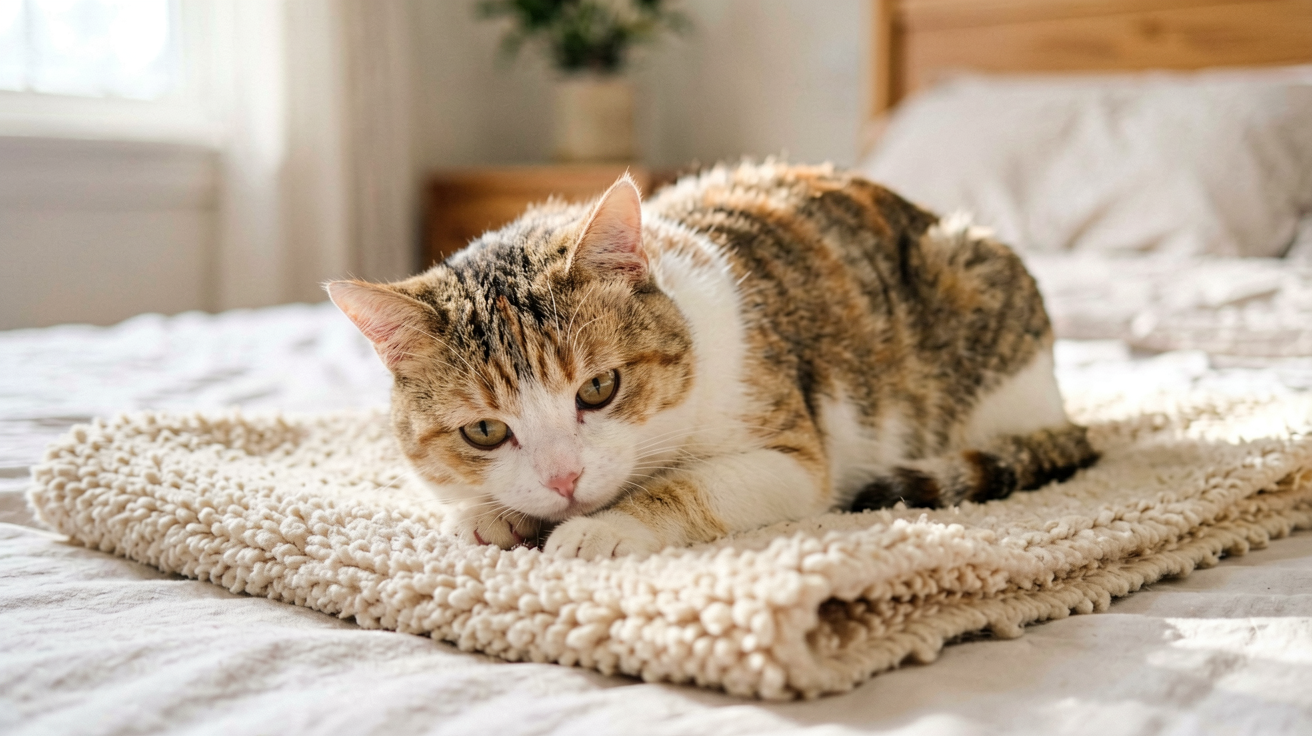
You’re settling in for the night, and your cat hops onto your lap. Suddenly, those paws start pushing rhythmically into the blanket—in, out, in, out. Maybe they’re purring, maybe drooling, and definitely looking like they’re making invisible biscuits. If you've ever wondered why do cats knead blankets science behind it is actually fascinating—and it’s not just a quirky habit. It’s hardwired into their feline DNA.
Here’s the short answer: Cats knead blankets because it’s a leftover instinct from kittenhood—they kneaded their mother’s belly to stimulate milk flow. As adults, it becomes a comfort behavior, a way to mark territory with scent glands in their paws, and even a sign of contentment. But there’s more to it than that.
The Kitten Connection: Why It All Starts in the Nest
To understand why do cats knead blankets science behind it, we have to go back to the very beginning. Newborn kittens are born blind and helpless. Their only source of food and comfort is their mother. When a kitten nurses, it instinctively pushes its paws against her belly. This rhythmic motion stimulates milk let-down—it’s a survival mechanism.
That kneading action is called “milking treading.” Every kitten does it. And here’s the key: that neural pathway never fully disappears. Even after weaning, the behavior remains wired in their brain. When your adult cat kneads a blanket, they are tapping into that primal, deeply comforting memory. It’s like a human humming a lullaby from childhood—it just feels good.
Dr. Karen Becker, a well-known integrative veterinarian, explains that kneading releases endorphins—the feel-good hormones. That’s why you often see a cat purring loudly while kneading. They are literally self-soothing.
📋 Table of Contents
- The Science Behind Scent Marking: Those Paws Are Leaving a Message
- Why Some Cats Knead (And Others Don’t)
- 3 Practical Tips to Manage Your Cat’s Kneading (Without Ruining You...
- When to Worry: Signs Your Cat’s Kneading Might Be a Problem
- Final Thoughts: Embrace the Biscuit-Making
- Frequently Asked Questions
The Science Behind Scent Marking: Those Paws Are Leaving a Message
Here’s a piece of the puzzle most cat owners miss: cats have scent glands in their paw pads. When your cat kneads a blanket, they’re not just making bread—they’re leaving a chemical signature. This is called “scent marking by bunting.”
These glands release pheromones that are invisible to us but crystal clear to other cats. The message? “This blanket is mine. I feel safe here.” It’s the feline equivalent of putting up a “do not disturb” sign on your favorite blanket.
Why blankets specifically? Soft, plush textures mimic the feel of a mother cat’s fur. So when your cat kneads that fuzzy throw from Target, they’re combining a sensory memory with a territorial claim. It’s comfort and ownership rolled into one.
If you have multiple cats, you might notice them kneading the same blanket. That’s not a coincidence—they’re overlaying their scents, creating a group scent that says “we belong together.” It’s a bonding behavior.
The Comfort Connection: Kneading as a Stress Reliever
Just like humans have comfort rituals—sipping tea, taking a warm bath—cats have kneading. When a cat kneads, their brain releases serotonin and oxytocin. That’s the same “love hormone” that bonds mothers to babies. So when your cat kneads your lap or a blanket, they are literally calming their nervous system.
This is especially common when a cat is settling down for a nap. You’ll see them circle, paw at the blanket, then settle into a loaf position. That pre-sleep kneading is a way to “fluff” their sleeping area—an instinct inherited from wild ancestors who tamped down grass or leaves to make a safe nest.
Some cats knead more when they’re anxious. Moving to a new home, introducing a new pet, or even a change in your schedule can trigger increased kneading. It’s a coping mechanism. If you notice your cat kneading blankets more than usual, it might be a sign they’re feeling unsettled.
Pro tip: Never punish a cat for kneading. It’s a positive behavior. If their claws are hurting you, try placing a thick blanket between them and your skin, or trim their nails regularly.
Why Some Cats Knead (And Others Don’t)
Not every cat kneads. Some do it obsessively, others rarely. Why the difference? It often comes down to early weaning and personality.
Kittens that were weaned too early (before 8 weeks) are more likely to be “compulsive kneaders” as adults. They didn’t get enough time nursing, so they carry that unmet need into adulthood. These cats may also suckle on blankets or clothing while kneading—it’s called “wool sucking.”
Breed can also play a role. Siamese, Burmese, and other Oriental breeds are known for being more “vocal” with their paws. They tend to knead more frequently and intensely. On the other hand, some independent breeds like the Russian Blue may knead less often.
Age matters too. Kittens and young cats knead more because they’re still in the habit. Senior cats may knead less, but if they suddenly start kneading blankets more, it could be a sign of arthritis or discomfort—the kneading might be an attempt to soothe aching joints.
One more factor: spaying and neutering. Female cats in heat may knead more as part of their mating behavior. Spaying usually reduces this dramatically.
3 Practical Tips to Manage Your Cat’s Kneading (Without Ruining Your Blankets)
You don’t want to stop your cat from kneading—it’s healthy! But you can redirect it to protect your favorite bedding. Here are three actionable tips with real products.
Tip 1: Provide a Dedicated Kneading Blanket
Give your cat a blanket that’s theirs to knead. Look for plush, fleece, or faux fur—textures that mimic a mother cat’s fur. The K&H; Pet Products Self-Warming Crate Pad ($24.99 on Chewy) uses a thermal layer that reflects body heat, making it extra cozy for kneading sessions. Or try the PetFusion Plush Cat Blanket ($19.99 on Amazon)—it’s super soft and machine washable.
Tip 2: Trim Those Nails Regularly
Sharp claws can turn a loving knead into a painful experience. Invest in a good pair of cat nail clippers. The Millers Forge Professional Cat Nail Clipper ($7.99 on Amazon) has sharp, stainless steel blades and a safety stop to prevent over-cutting. Trim every 2-3 weeks to keep the tips blunt.
Tip 3: Use a Calming Pheromone Spray
If your cat kneads due to anxiety, a synthetic pheromone spray can help them feel secure. Feliway Classic Calming Spray ($24.99 on Petco) mimics the natural feline facial pheromones that signal safety. Spray it on their favorite blanket (not directly on your cat) to encourage kneading in that spot instead of your new duvet.
For more tips on managing your cat’s daily habits, check out our guide on how to introduce a new cat to your home—it covers stress reduction techniques that work beautifully for kneading cats too.
When to Worry: Signs Your Cat’s Kneading Might Be a Problem
In 99% of cases, kneading is perfectly normal. But there are a few red flags to watch for.
Excessive kneading (for hours at a time, to the point of ignoring food or play) could indicate anxiety, hyperthyroidism, or even a neurological issue. If your cat is kneading nonstop and seems agitated, it’s worth a vet visit.
Kneading accompanied by destructive behavior—like tearing at blankets or scratching furniture—might mean they’re frustrated or overstimulated. Try redirecting them to a scratching post.
Sudden onset in a senior cat could signal pain. Arthritis in the paws or joints might make them seek comfort through kneading. A vet can prescribe joint supplements or pain relief.
If your cat is also suckling on non-food items (wool, plastic, fabric) while kneading, that’s a condition called pica. It can be caused by dietary deficiencies or stress. Talk to your vet about switching to a high-fiber diet or adding enrichment toys.
Final Thoughts: Embrace the Biscuit-Making
So why do cats knead blankets science behind it is really a beautiful story of instinct, comfort, and communication. Your cat isn’t just making biscuits—they’re telling you they feel safe, they’re marking their territory, and they’re tapping into a memory from the very first days of their life.
Next time those paws start padding on your favorite throw, take a deep breath. It’s a sign of trust. And if you want to keep your blankets intact, just give them one of their own.
Want to learn more about other quirky cat behaviors? Check out our article on why cats scratch furniture and how to stop it—the science behind scratching is just as fascinating.
Frequently Asked Questions
Is kneading a sign of a happy cat?
Yes, in most cases. Kneading releases endorphins and oxytocin, so it’s a self-soothing behavior that usually indicates contentment. However, some cats also knead when stressed, so look at the overall context: if they’re purring, have relaxed ears, and soft eyes, they’re happy. If they’re tense or vocalizing, it might be anxiety.
Why does my cat drool when kneading?
Drooling during kneading is common and completely normal. It’s a leftover response from kittenhood when kneading triggered milk flow. Some cats get so relaxed during kneading that their mouth muscles relax, causing drool. It’s a sign of deep comfort—think of it as a happy puddle.
Should I stop my cat from kneading blankets?
No, you shouldn’t stop them—it’s a natural, healthy behavior. If their claws are causing damage, provide a dedicated soft blanket and keep their nails trimmed. Punishing kneading can cause stress and damage your bond. Redirect, don’t reprimand.
Why does my cat knead then bite the blanket?
This is called “wool sucking” and is more common in cats weaned too early. The biting mimics the nursing motion. It’s usually harmless, but if they’re ingesting fabric, it can cause intestinal blockages. Offer a safe alternative like a faux fur mat or a special “suckling” toy designed for cats.
Can kneading be a sign of pain or stress?
Rarely, but yes. If kneading becomes obsessive (hours a day), is accompanied by hiding, loss of appetite, or aggression, it could signal hyperthyroidism, arthritis, or anxiety. A sudden change in kneading behavior in an older cat warrants a vet check. For most cats, though, it’s just love.

🐾 Written by the PetHomeHacks editorial team — researched, tested, and reviewed for accuracy.