Cat Constipation: Causes, Home Care, and When It's Serious
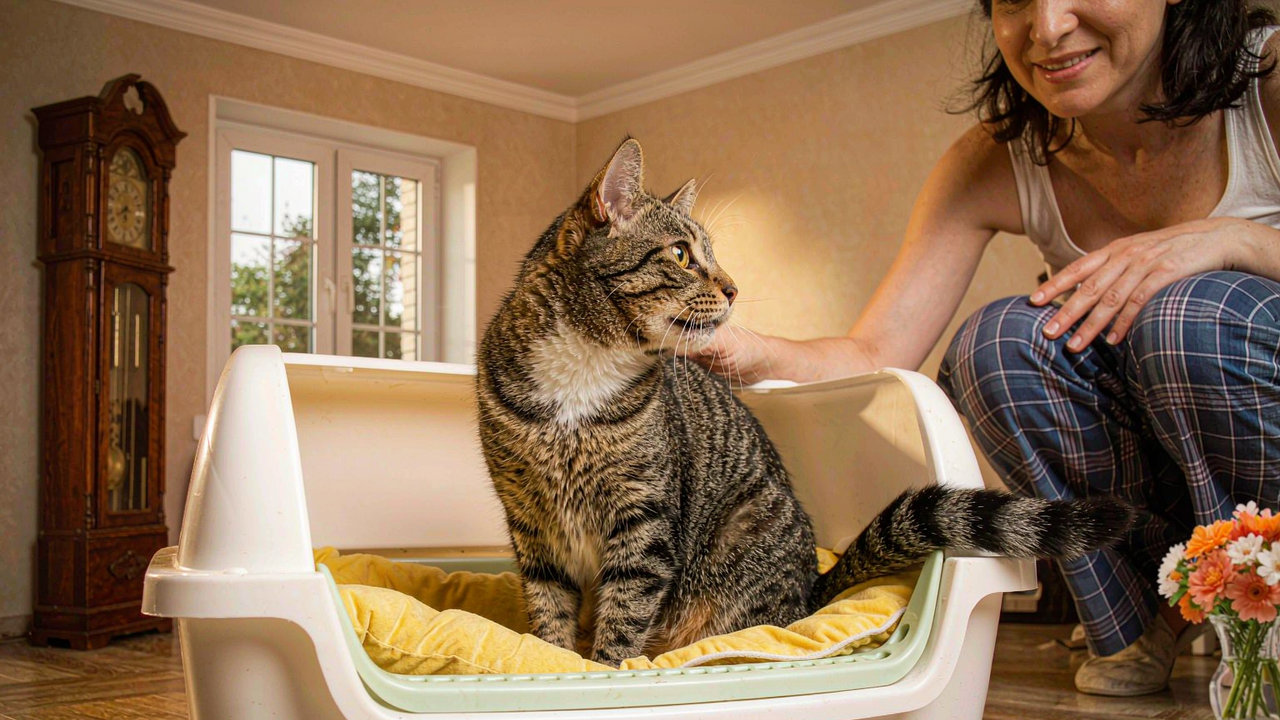
You glance at the litter box and realize your cat has been in there a while — longer than usual. They're hunched over, pushing, maybe letting out a low cry, and when they finally step out, there's nothing to scoop, or just a few hard, dry pebbles. It's an uncomfortable thing to watch, and easy to wave off for a day or two. But a cat who's straining to poop isn't just being dramatic. Sometimes it's a simple fix at home, and sometimes it's a sign something more serious is going on — and the difference comes down to a few clear warning signs.
What Normal Pooping Looks Like for a Cat
Before you worry, it helps to know what "normal" even is. Most healthy adult cats poop once or twice a day, but plenty of cats go every other day and are totally fine — a lot depends on what they eat and how active they are. What matters more than the exact schedule is consistency and appearance. A normal stool is formed but soft enough to scoop, not hard, dry little pellets that crumble apart.
Constipation isn't just "hasn't pooped in a while." It means the stool is hard and dry, and the cat is having a genuinely hard time passing it. You might see them make repeated trips to the box, strain with little or nothing to show for it, or leave behind only small, pebble-like droppings. Some cats also get a little quieter, eat less, or seem uncomfortable when you touch their belly.
Why Cats Get Backed Up
Constipation has a lot of possible causes, but they tend to fall into a few familiar buckets — and most are pretty manageable once you spot them.
Not enough water. This is the biggest one, and it's partly how cats are wired. Cats descended from desert animals, so they naturally have a low thirst drive and are built to get most of their moisture from food. An indoor cat who eats mostly dry kibble — which is only around 10 percent water, compared to roughly 75 percent or more in wet food — can quietly stay dehydrated without ever looking thirsty. The colon's job is to pull water back out of the stool, so a dehydrated cat ends up with hard, dry stool that's difficult to move.
Too little fiber or a sudden diet change. A low-fiber diet makes for small, hard stools. But the opposite can also trip you up: swapping foods abruptly can throw the gut off for a few days. Slow, gradual food transitions matter more than people expect.
Swallowed hair. Long-haired cats, and cats who groom a lot, swallow a steady stream of fur. Usually that fur passes through harmlessly, but in some cats it can build up and contribute to a slow, stubborn gut. Regular brushing helps here more than you'd think.
Not enough movement. Overweight cats and older cats who nap most of the day simply move less, and movement is part of what keeps the gut pushing things along. Obesity also makes it physically harder for a cat to squat comfortably in the box.
Pain or trouble getting into the right position. Arthritis is wildly underdiagnosed in cats, and it doesn't just make jumping hurt — it makes crouching to poop hurt too. A cat in pain may hold it as long as they can, which only makes the stool harder and the problem worse. A low-sided litter box can be a genuine lifesaver for a senior or stiff cat.
Litter box or stress issues. A dirty box, a box moved to a noisy or high-traffic spot, a new pet, or a house full of stress can all make a cat avoid the box or hold it longer than they should. In a multi-cat home, one cat can even block another from reaching the box.
Something more serious underneath. Repeated or severe constipation can sometimes point to a bigger issue — a narrowed pelvis from an old injury, a growth, kidney disease, or a condition called megacolon, where the colon stretches out and loses its ability to squeeze. That's exactly why chronic constipation is worth a vet's attention rather than endless home management.
What You Can Do at Home
For a cat who's otherwise acting like themselves and only mildly backed up, a few gentle changes often do the trick — and they're worth trying before anything more involved.
Add moisture, everywhere you can. The single most effective move is to get more water into your cat. Offer wet food if they'll eat it, and add a little water or low-sodium broth to their meals. Many cats drink noticeably more from a running water fountain than from a still bowl. Keep bowls fresh and placed away from the food dish and litter box — cats are particular about that.
Ask your vet about a little fiber. A small amount of plain, cooked pumpkin (not the spiced pie filling, which can be harmful) is a common, gentle fiber boost — but check with your vet first, because fiber can make things worse if you overdo it, especially if the cat isn't drinking enough. Some cats do better with a fiber supplement your vet suggests than with DIY additions.
Get them moving. Even short, regular play sessions help stimulate the gut. A wand toy chase a few times a day is easy and often enough to nudge things along.
Brush them. For long-haired cats especially, daily brushing cuts down the amount of fur they swallow, which helps prevent future buildup.
Make the box inviting. Keep it scooped daily, in a quiet low-traffic spot, and easy to get into. In a multi-cat home, the rule of thumb is one box per cat plus one extra, so nobody has to wait or feel trapped.
Don't DIY the serious stuff. Never give a cat human laxatives, enemas, or mineral oil. Some of these are outright toxic to cats — phosphate enemas, in particular, can be fatal — and others can hide or worsen an underlying problem. This is firmly "talk to your vet" territory, not "try it and see."
When It Stops Being a Wait-and-See Situation
Most mild constipation settles in a day or two with more water and a little patience. But there are clear signs that mean it's time to call the vet instead of watching:
- No stool for more than 48 hours, especially with repeated straining.
- Straining with nothing coming out, over and over.
- Vomiting alongside the constipation — this can signal a blockage, not simple constipation.
- A hard, swollen, or painful belly, or the cat crying or hissing when touched.
- Lethargy, hiding, or refusing food for a day or more.
- Blood from the rectum after straining.
There's one more thing that trips people up, and it's important. A cat straining in the litter box can look exactly the same whether they're trying to poop or trying to pee. And a cat — especially a male cat — who is straining to urinate but can't is a true emergency that needs a vet right away, because a blocked bladder can become life-threatening within a day or two. If you can't tell which one it is, don't guess. A quick vet visit settles it.
The Bottom Line
For most cats, constipation is uncomfortable but very fixable — usually more water, a bit of fiber, and a little more movement do the heavy lifting. The key is catching it early, knowing which simple fixes are safe to try at home, and recognizing the warning signs that mean a vet needs to step in. A cat who's suddenly straining, vomiting, or going off their food isn't a "wait and see" situation. Get them checked, and you'll usually have your regular, comfortable cat back before you know it.
Has your cat ever had a bout of constipation? What turned out to be the culprit — and did something as simple as a water fountain or a diet tweak end up fixing it? I'd love to hear what worked (and what didn't).
This article is for informational purposes only and is not a substitute for professional veterinary advice, diagnosis, or treatment. Always consult a licensed veterinarian if your pet shows signs of illness, injury, or distress. If you believe your pet is experiencing a medical emergency, contact your veterinarian or the nearest emergency animal hospital immediately.
🐾 Enjoyed This Article?
Save it for later, share with a fellow pet parent, or check out more tips on our homepage!
📩 Never Miss a Tip
Get our best pet care hacks delivered straight to your inbox. No spam, unsubscribe anytime.