Your Dog Stole a BBQ Rib Bone — What the Emergency Vet Wants Every Owner to Know
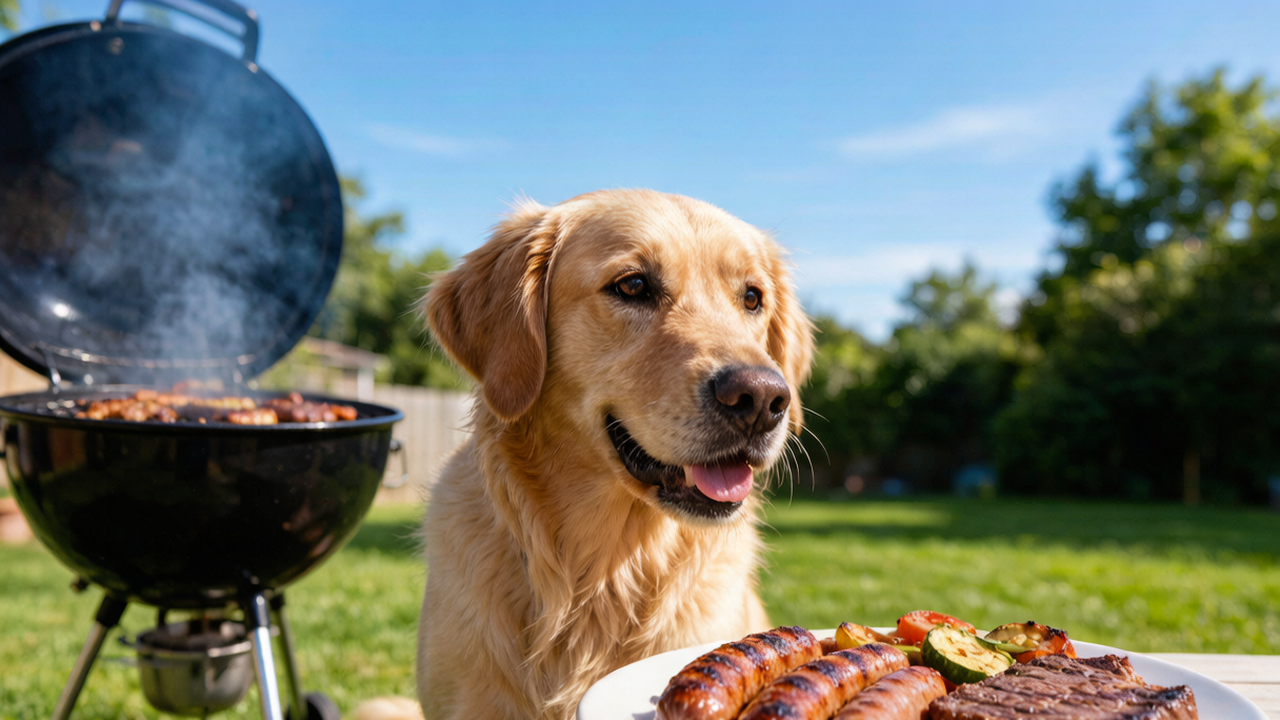
It takes about two seconds. You look away to grab a drink from the cooler, and your dog has a rib bone off a guest's paper plate. Emergency vets field this exact call all weekend long every Fourth of July.
The instinctive reaction — reaching in and yanking the bone back out — is the wrong one.
Pulling a cooked bone back up the esophagus can do more damage than letting it pass naturally, because the shards can tear tissue on the way out. What the moment actually calls for is a phone call to your vet, who will usually want x-rays to check for fragments sitting in the stomach.
A workup like that runs in the neighborhood of $480, and the outcome is usually fine: a small fragment clears the stomach and moves through the intestines without incident.
The bone is rarely the only hazard on the table, though. The onion-heavy burger patties. The grapes on the fruit platter. The sugar-free brownies someone brought for dessert. Any one of those can turn a $480 scare into a $5,000 surgery — or worse.
The Cooked Bone Problem Nobody Warns You About
Raw bones are relatively safe for dogs. They're flexible and don't splinter. Cooked bones — any kind, from chicken wings to rib bones to those T-bones you grilled — are an entirely different story. The cooking process makes them brittle. When your dog crunches down, the bone doesn't break cleanly. It splinters into sharp shards.
Those shards can:
- Pierce the esophagus on the way down
- Lodge in the stomach lining
- Perforate the intestines (this is the surgery-level one)
- Cause a blockage that stops everything from passing through
The signs that something's wrong usually show up within 24 hours: vomiting, lethargy, straining to poop, blood in stool, or a tense, painful belly. If you see any of these after your dog has eaten cooked bones, don't wait. Go to the vet. Waiting an hour "to see if he's fine" is exactly how a case that only needed monitoring turns into one that needs surgery.
The BBQ Foods to Keep Away From Your Dog
None of this list is exaggerated for effect — every item on it sends dogs to the emergency vet every summer.
Corn cobs. This one catches most owners off guard. Corn itself is fine for dogs (it's in plenty of dog foods). But the cob? It doesn't digest. It doesn't break down. It sits in the intestine like a cork until everything backs up behind it. Intestinal blockage surgery runs $2,000 to $5,000 and it's one of the most common BBQ-related emergencies vets see all summer.
Onions and garlic. These are in everything at a BBQ. Burger patties. Marinades. Potato salad. Kebabs. Even the seasoning on grilled vegetables. Onions and garlic damage dogs' red blood cells, which leads to anemia. It doesn't take much — a medium onion can make a 45-pound dog seriously sick. And it's cumulative, so a little bit here and there over a few days adds up.
Fatty meat scraps. Trimming the fatty edge off a steak and handing it over feels like a generous treat. The catch: a single high-fat meal can trigger pancreatitis in dogs. The pancreas releases enzymes to digest the fat, but when the fat load is too high, those enzymes start digesting the pancreas itself. It's painful, dangerous, and treatment typically costs $500 to $3,000. Certain breeds — Miniature Schnauzers, Yorkshire Terriers, Cocker Spaniels — are especially prone to it.
Grapes and raisins. Even one grape can cause acute kidney failure in some dogs. Nobody knows exactly why — the toxic compound hasn't been identified — but the effect is well-documented and terrifying. A fruit platter sitting on a BBQ table is a landmine. If your dog eats even a single grape, call your vet immediately.
Xylitol. This artificial sweetener is in sugar-free desserts, some brands of peanut butter, chewing gum, and "low sugar" BBQ sauces. It causes a rapid, massive insulin release in dogs, dropping their blood sugar to dangerous levels within 30 minutes. It can also cause liver failure. Less than a teaspoon can kill a 20-pound dog.
Alcohol. Dogs are curious about whatever you're drinking. Even a small spill of beer or a cocktail left on a low table can cause vomiting, disorientation, and in serious cases, respiratory failure. Their bodies process alcohol much more slowly than ours.
What a BBQ Emergency Actually Looks Like
Different foods cause problems on different timelines. Here's roughly what to expect:
- Cooked bones — first signs at 2 to 24 hours. Watch for vomiting, straining to poop, bloody stool, a tense belly.
- Corn cob — first signs at 12 to 48 hours. Watch for vomiting after every meal, no stool at all, lethargy.
- Onions or garlic — first signs at 1 to 5 days. Watch for pale gums, weakness, rapid breathing, dark urine.
- Fatty scraps — first signs at 12 to 48 hours. Watch for vomiting, a hunched posture, painful belly, refusing food.
- Grapes or raisins — first signs at 12 to 24 hours. Watch for vomiting, lethargy, decreased urination.
- Xylitol — first signs at 15 to 30 minutes. Watch for vomiting, weakness, collapse, seizures.
If your dog eats something dangerous and it's been less than 2 hours, your vet may recommend inducing vomiting — but never do this at home without specific instructions. With bones or sharp objects, vomiting can cause more damage on the way up. With certain toxins, it may not help. Call a professional first, every time.
The BBQ Foods That Are Actually Fine
It's not all bad news. There are BBQ staples your dog can enjoy safely:
- Plain grilled chicken breast — no marinade, no seasoning, no bones. Just plain, cooked chicken.
- A small plain burger patty — no onion, no garlic powder, no seasoning salt. Just beef.
- Watermelon (seedless) — hydrating and dog-safe in moderation.
- Carrot sticks — crunchy, low-calorie, and most dogs love them.
- Blueberries — a handful makes a great treat.
- Plain grilled sweet potato — no butter, no brown sugar, no marshmallows.
Build your dog his own little "BBQ plate" — a few pieces of plain chicken, some blueberries, a carrot stick. He gets to take part in the cookout, and you get to eat your burger without keeping one eye on his mouth the entire time.
Hosting a BBQ With a Dog: The System That Works
A little structure removes most of the risk. Four things worth doing every time:
- Brief every guest at the door. It takes 15 seconds: "Hey, please don't feed the dog anything — even if he gives you the eyes. There's a jar of dog treats on the counter if you want to give him something safe." People are happy to comply once they know the alternative is an emergency vet visit.
- Set up a designated dog zone. When the BBQ gets chaotic — kids running around, plates everywhere, the grill lid open — put your dog in his crate or a gated-off indoor area with a frozen Kong or bully stick. He's not being punished; he's being kept out of the splash zone. Let him back out once the eating is done and the plates are cleared.
- The trash can is a threat. A BBQ trash bag full of bones, corn cobs, greasy foil, and food scraps is basically a dog's dream buffet. Keep it behind a closed door or in a bin with a locking lid. A lot of dogs find it hours after the guests leave, tipping over the kitchen bin at 2 AM and helping themselves to the leftovers.
- Have the emergency numbers ready. Save your regular vet's number, the nearest 24-hour emergency vet, and the ASPCA Animal Poison Control line (888-426-4435) in your phone. In a panic, you don't want to be Googling.
Summer BBQs and dogs coexist just fine. What makes the difference is having a system, a designated dog plate, and a clear understanding of what can go wrong in the time it takes to fill a cup at the cooler.
Before your next cookout, walk the food table and the yard with this list in mind. The bones, the corn cobs, and the trash bag are where nearly every BBQ emergency starts — and all three are easy to lock down in five minutes.
If you found this helpful, you might also like:
- 25 Human Foods Your Dog Can Eat Safely: The Complete List
- Dog Vomiting: What Every Color Means and When to Worry
- Dog Diarrhea: Home Remedies That Work and Red Flags You Shouldn't Ignore
This article is for informational purposes only and is not a substitute for professional veterinary advice, diagnosis, or treatment. Always consult a licensed veterinarian if your pet shows signs of illness, injury, or distress. If you believe your pet is experiencing a medical emergency, contact your veterinarian or the nearest emergency animal hospital immediately.
🐾 Enjoyed This Article?
Save it for later, share with a fellow pet parent, or check out more tips on our homepage!
📩 Never Miss a Tip
Get our best pet care hacks delivered straight to your inbox. No spam, unsubscribe anytime.
Shop pet slow feeder bowl on Amazon & Chewy
Comparing prices before you buy? Check current deals and read reviews from other pet owners.