Why Is My Adult Dog Suddenly Peeing in the House? (And How to Stop It)
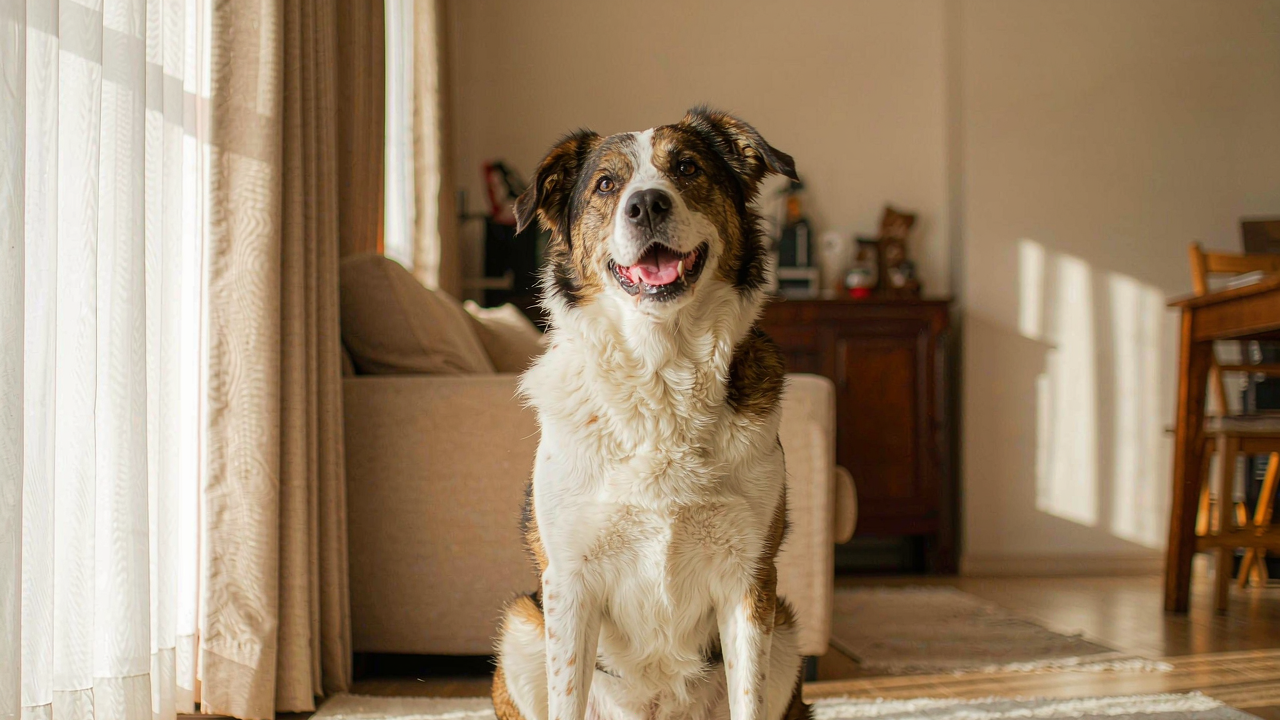
You get home, and there it is — a damp spot on the rug, and your dog is doing that look where they suddenly become very interested in the opposite wall. This is a dog who's been reliably house-trained for years. It's confusing, it's frustrating, and the first question almost every owner asks is some version of "what did I do wrong?" Here's the part that helps immediately: you almost certainly didn't do anything wrong, and this happens to an awful lot of well-trained dogs.
Before you reach for the training treats or start wondering if you need to start over from scratch, the single most important step is to rule out a health problem. In an adult dog who's suddenly having accidents, medical causes are genuinely common — arguably the most common reason.
Rule out the medical stuff first
A dog who has been clean in the house for years and then suddenly starts peeing indoors usually isn't being stubborn. A whole list of health issues can cause this, and a few of them are sneaky enough that you'd never spot them on your own:
- Urinary tract infections. Just like in people, a UTI makes a dog feel a sudden, urgent need to go, and they may not make it to the door in time.
- Bladder stones or crystals. These irritate the bladder wall and can cause straining, frequent small amounts, and accidents that seem to come out of nowhere.
- Kidney disease or diabetes. Both can make a dog drink noticeably more, which means more pee, more urgency, and more chances to be caught off guard.
- Hormonal conditions. Diseases that throw a dog's system off balance — Cushing's and Addison's are the two big ones — can mess with their normal bathroom rhythm.
- Age-related changes. Older dogs can develop incontinence, or something called cognitive decline (a doggy version of dementia) where they simply forget where the right place to go is. Arthritis plays a role too, because getting up and making it outside can become genuinely painful.
The practical move is simple: if a house-trained adult dog suddenly starts having accidents, book a vet visit before you change anything else. Note when it started, how often it happens, and whether the pee looks or smells unusual. A quick urine test can knock a big chunk of that list off the table. Most of the time the answer is boring and fixable — and catching it early is a lot cheaper and easier than waiting until it's a full-blown problem.
If the vet gives the all-clear, it's usually one of these
Once health problems are off the table, the behavior almost always falls into a few predictable buckets.
Regression from stress or change. Dogs are creatures of habit, and a shake-up in their world can quietly undo their house-training. The classic triggers are moving house, a new baby or a new pet arriving, someone in the household leaving or going back to work after a long stretch at home, or even the loss of a person or another pet. The accidents usually settle down as the dog adjusts, but you can speed that along by going back to basics — more on that in a second.
Territorial marking. This looks different from a normal accident, and learning the difference matters because the fix is different. Marking tends to be small amounts, often on vertical surfaces like furniture legs, door frames, or the corner of a wall — it's about leaving a message, not emptying a bladder. Intact male dogs are the most likely to mark, but spayed and neutered dogs do it too, and plenty of females. It most often pops up when the dog feels their space has been invaded — a new person, a visiting dog, or even a stray they can see out the window.
Excitement or submissive urination. Some dogs, especially young ones and shy or nervous ones, leak a little pee during greetings or big emotional moments. When you come home and they roll over and leave a small puddle while wagging the whole back half of their body, that's not defiance — it's an involuntary reflex they can't control. Punishing it only makes a nervous dog more nervous, which makes the problem worse.
Separation anxiety. If the accidents happen mainly when you're out, and they come with other signs like destruction, pacing, drooling, or howling, anxiety is probably in the mix. That needs its own approach rather than a simple potty-training tune-up — and it's worth tackling properly, because anxiety-driven soiling is a symptom, not the root problem.
How to actually fix it
Whatever the cause, the same core moves tend to help, and none of them involve punishment.
Go back to a routine. Take your dog out on a consistent schedule — first thing in the morning, after meals, after play, and before bed — and reward them warmly the moment they go outside. In the early days of sorting this out, more frequent trips are better. Many adult dogs can comfortably hold it for eight hours or more, but while you're dealing with an accident problem, don't ask them to. Give them plenty of chances to get it right.
Watch for the signs and interrupt gently. Pacing, circling, sniffing the floor, or drifting toward the door are all "I need to go" signals. If you catch them mid-squat, make a quick noise to startle them — not scare them — and rush them straight outside, then reward them if they finish out there.
Clean up so the smell is truly gone. A dog's nose is extraordinary, and if even a trace of urine smell lingers, they'll be drawn right back to that same spot. Standard household cleaners won't cut it. You want an enzymatic cleaner, which actually breaks down the urine rather than just masking it — and steer clear of anything ammonia-based, because ammonia smells like urine to a dog and can actually invite them back to the same spot.
Manage the environment. If you can't supervise, use a crate or a baby gate to keep them in a smaller space — dogs generally avoid soiling their own sleeping area. For a dog who keeps returning to one marked spot, block access to it for a while, or feed them and play with them right there; dogs are reluctant to pee where they eat.
Don't punish. This is the one people push back on, but rubbing a dog's nose in it or scolding them after the fact doesn't teach anything except "be scared of you." They can't connect your anger to something they did ten minutes ago. Stay calm, clean it up, and move on.
Tailor the fix to the cause. If it's marking, more outdoor time with chances to sniff and mark legally often helps, and blocking the view of passers-by can cut the trigger. For excitement urination, keep greetings low-key — ignore them for the first minute until they settle, ask visitors to do the same, and take them out to potty before the big exciting event starts. If anxiety is driving it, a consistent routine helps a lot, and for the severe cases, a trainer or a vet who works with behavior can help you build a real plan.
When to be concerned
Some accidents come with red flags that mean "don't wait." Straining to pee, blood in the urine, drinking noticeably more, acting lethargic, or passing only tiny dribbles are all signs to get a vet involved quickly rather than treating it as a training issue. Trust your gut — if something feels off beyond the mess on the floor, it usually is.
The honest summary: an adult dog suddenly peeing in the house is rarely a personality flaw and almost never spite. Run the medical check, find the trigger, go back to a steady routine, and clean properly — and the vast majority of these problems clear up within a few weeks.
Has your dog ever had an indoor accident out of nowhere, and did it turn out to be medical, stress, or something else entirely? Drop a comment and tell me what was behind it — I'm always curious how different these little mysteries look from one household to the next.
This article is for informational purposes only and is not a substitute for professional veterinary advice, diagnosis, or treatment. Always consult a licensed veterinarian if your pet shows signs of illness, injury, or distress. If you believe your pet is experiencing a medical emergency, contact your veterinarian or the nearest emergency animal hospital immediately.
🐾 Enjoyed This Article?
Save it for later, share with a fellow pet parent, or check out more tips on our homepage!
📩 Never Miss a Tip
Get our best pet care hacks delivered straight to your inbox. No spam, unsubscribe anytime.