Puppy Teething: Timeline, Signs, and How to Soothe Sore Gums
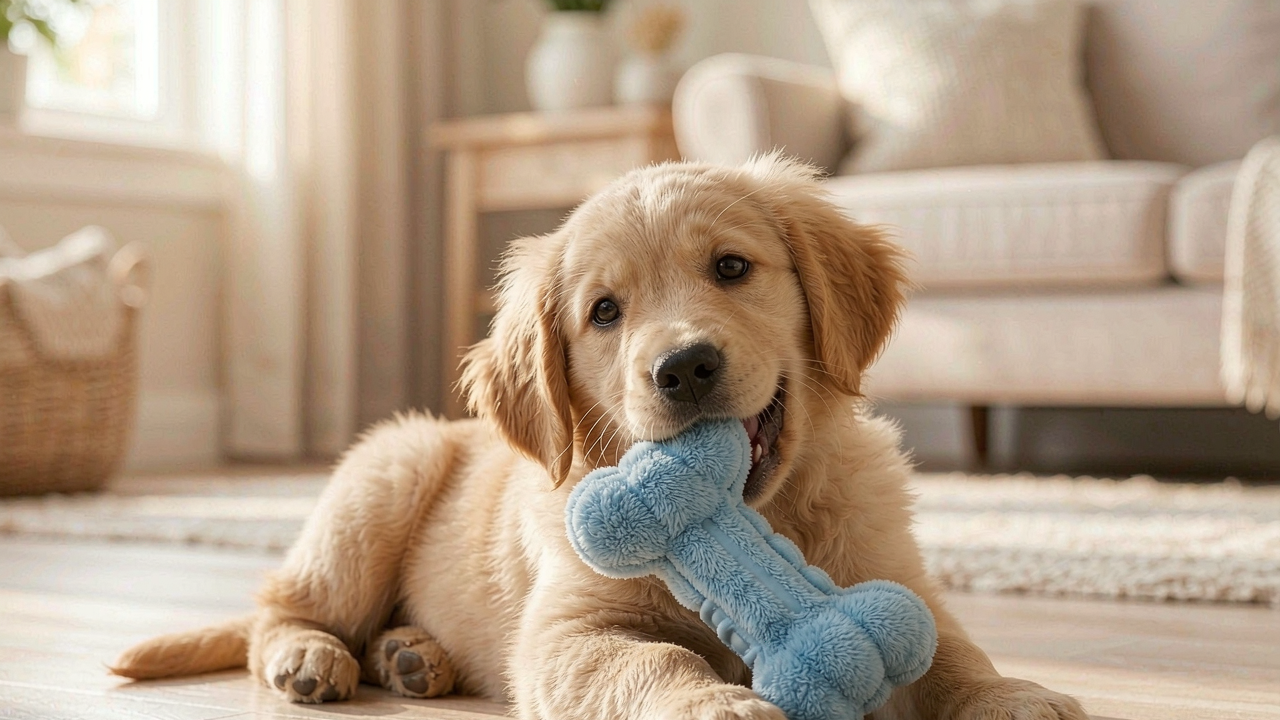
Somewhere around the four-month mark, a lot of new puppy owners glance across the living room and realize their sweet little puppy has quietly turned into a tiny demolition crew. The shoe by the door, the leg of the coffee table, the corner of the rug — nothing is safe, and the puppy seems genuinely obsessed. Before you decide you've adopted a monster, take a breath: you're almost certainly looking at teething, and it's one of the most predictable phases of raising a dog.
The good news is that teething has a clear timeline and a clear cause, which means there are real, practical ways to get through it without losing your shoes or your patience.
What's Actually Happening in That Puppy Mouth
Puppies are born without teeth, but the first set starts pushing through when they're just a few weeks old. By around six weeks, most puppies have a full set of baby teeth — usually 28 of them, little needle-sharp things that are perfectly designed to make you flinch during play.
Then, somewhere between three and four months of age, those baby teeth start falling out and the adult teeth push up underneath. This is the part most owners remember. The gums get swollen and tender, the loose teeth wobble, and the pressure builds as each adult tooth works its way toward the surface. By the time a puppy is six or seven months old, most have their full set of 42 permanent teeth and the teething phase is over.
That stretch in the middle — roughly four to six months — is when teething peaks, and it's the exact window when the frantic chewing shows up. The puppy isn't being naughty. Chewing is the one thing that actually makes the pressure in his gums feel better, so he chews on whatever is closest.
The Signs That Say "It's Teething, Not Chaos"
It helps to recognize the phase for what it is, because it changes how you respond. Common signs include:
- Constant chewing. Furniture legs, shoes, baseboards, your fingers — if it fits in the mouth, it's a target.
- Extra drooling. More than usual, sometimes with a little blood from a recently lost tooth.
- Small gaps where teeth used to be. You may find a tiny tooth on the floor or notice a missing one in the front.
- Irritability and restlessness. The discomfort can make a puppy fussier, especially in the evening when he's tired.
- A dip in appetite. Some puppies eat more slowly or turn their nose up at hard kibble for a day or two when the gums are really sore.
One thing worth clearing up: teething on its own should not cause a fever, and it shouldn't cause heavy bleeding or a puppy who refuses food entirely. If you see those, it's worth a call to the vet rather than chalking it up to the teething phase.
How to Soothe Sore Gums (and Save Your Belongings)
The trick with teething is to give the puppy better things to chew than your furniture. Here's what actually works, based on what experienced owners and trainers fall back on over and over.
Offer soft, flexible rubber chew toys. A toy with a little give to it is ideal — something that yields when he bites, rather than something rock-hard. Textured surfaces help massage the gums. Skip anything you can't indent with a fingernail during this stage; developing adult teeth are vulnerable, and very hard materials can crack them.
Use cold to bring the swelling down. Cold is a genuinely effective way to soothe inflamed gums. A rubber toy chilled in the fridge, a clean damp washcloth twisted and frozen briefly, or a food-stuffed rubber toy popped in the freezer for twenty minutes or so all work well. The cold numbs the sore spots and gives the puppy something productive to chew. Avoid giving ice cubes unsupervised, and don't freeze anything into a rock-solid block.
Rotate the toys. Puppies lose interest fast. Keep three to five toys out at a time and swap them every day or two. A "new" toy is more appealing than a basket of ignored ones, and a puppy with appealing options is a puppy who leaves the baseboards alone.
Redirect, don't just scold. When the puppy goes for a shoe, trade it for a toy and make the toy the interesting thing — wave it, squeak it, get him chasing it. The goal is to teach him what's okay to chew, not just what isn't.
Protect the puppy from hard chews. Antlers, hooves, and hard nylon chews meant for adult dogs are a bad idea during teething. The rule of thumb a lot of trainers repeat: if a chew would hurt when pressed against your kneecap, it's too hard for a teething puppy.
Build in real rest. Overtired puppies bite harder and chew more frantically. Puppies need a surprising amount of sleep — around 16 to 20 hours a day — and missed naps tend to show up as wild, bitey behavior in the evening. A structured nap in a crate or quiet spot often calms things down more than another toy would.
A Note on Training While You're At It
Teething explains the chewing, but it doesn't replace training. If the puppy is also biting hands and ankles during play, that's a separate skill — bite inhibition — and it's worth teaching early even while the teething phase runs its course. Soothing the gums makes the chewing more manageable, but it won't by itself teach the puppy how soft his mouth should be around people. Keep the two jobs separate and you'll make faster progress on both.
A Few Things Worth Knowing Ahead of Time
The timeline isn't perfectly identical for every puppy. Small breeds sometimes shed their baby teeth a little later than large breeds, and some dogs sail through the whole thing barely blinking while others act miserable for weeks. The important part isn't the exact dates — it's that the phase is normal, temporary, and almost always manageable at home.
It also helps to have the right things on hand before the chewing peaks, so you're not caught making a desperate trip to the pet store while the puppy gnaws a table leg. A couple of soft rubber toys, a food-stuffed rubber toy you can freeze, and a clean dish towel you're willing to sacrifice for the washcloth trick cover most situations. Supervision matters more than the exact toy: a puppy left alone with the wrong thing to chew is how shoes and remote controls get destroyed, so keep an eye on what's in his mouth during this stretch.
Finally, keep a light touch about the whole thing. The more you make a big deal out of "no, not that," the more attention the forbidden object gets. A calm trade — swap the shoe for the toy, praise the toy — teaches the lesson faster and keeps the phase from feeling like a daily battle.
When It's Worth a Vet Visit
Most teething is mild and passes on its own. A handful of signs are worth a professional look: a puppy who refuses food completely, gums that look severely swollen or infected, heavy bleeding that won't stop, or baby teeth that are still hanging around after seven months. Numbing gels and pain meds meant for people should never be used without specific guidance — a puppy's body handles medication very differently.
The Bottom Line
Teething feels chaotic while you're in it, but it's a short, predictable chapter. The puppy isn't trying to destroy your house — he's trying to make his aching mouth feel better, and chewing is the only tool he has. Give him cold, soft, appropriate things to chew, protect him from the hard stuff, and make sure he gets enough sleep, and the worst of it usually blows over within a couple of months.
What's the strangest thing your puppy ever tried to chew during teething? And did any single trick actually save your furniture? Tell us in the comments — we've all got a story.
This article is for informational purposes only and is not a substitute for professional veterinary advice, diagnosis, or treatment. Always consult a licensed veterinarian if your pet shows signs of illness, injury, or distress. If you believe your pet is experiencing a medical emergency, contact your veterinarian or the nearest emergency animal hospital immediately.
🐾 Enjoyed This Article?
Save it for later, share with a fellow pet parent, or check out more tips on our homepage!
📩 Never Miss a Tip
Get our best pet care hacks delivered straight to your inbox. No spam, unsubscribe anytime.