How to Get a Dog to Potty in the Rain: Bad-Weather Solutions
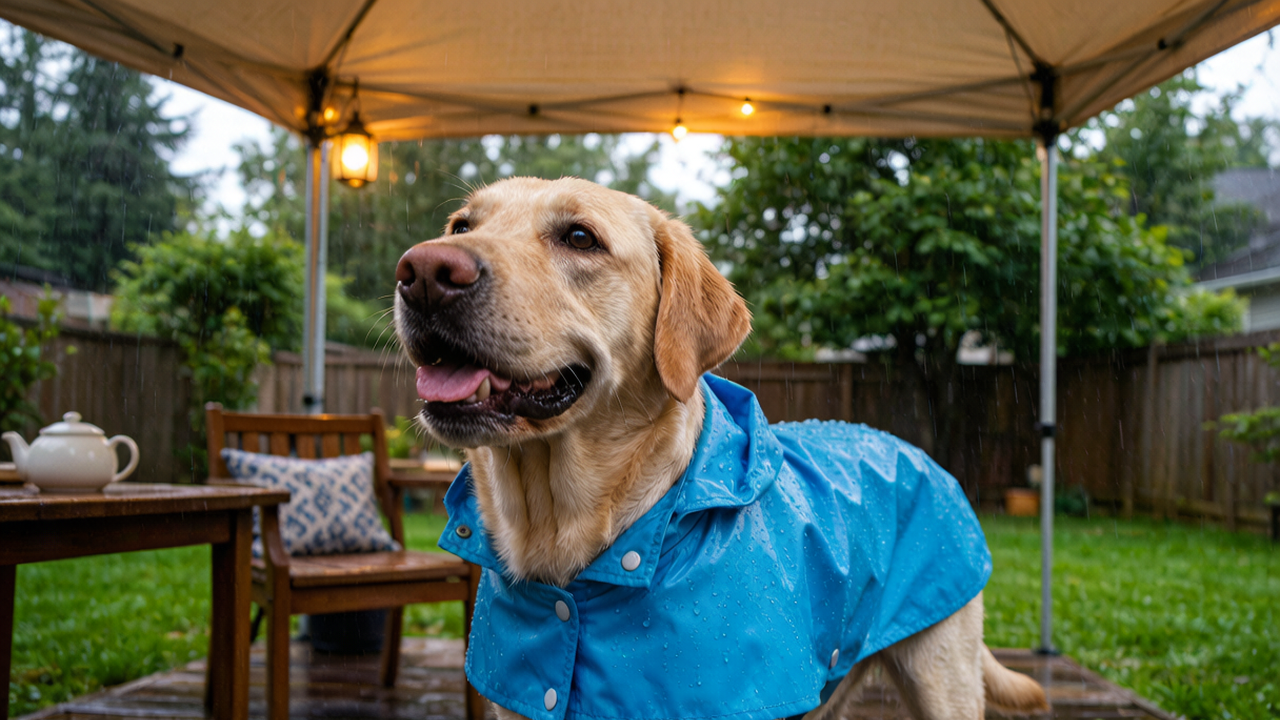
A dog that refuses to potty in the rain is a familiar frustration — and it's rarely about stubbornness or "spite." Wet-weather refusal is usually a mix of discomfort, sensory overload, and a disrupted routine. The behavior is fixable, but it helps to understand what's actually going on first.
Why Dogs Resist Potty in the Rain
Several factors combine to make a rainy yard unappealing:
- Sensory overload. Rain is noise, motion, and a flood of new smells at once. For a dog that reads the world through its nose, a storm can be overwhelming.
- Unstable footing. Wet grass is slippery and cold. Dogs that have slipped before — especially older dogs or those with joint issues — may avoid it.
- No prior experience. A dog that grew up in a dry climate may simply never have learned to relieve itself in rain. It isn't defiance; it's genuine unfamiliarity.
- Lost scent cues. Rain washes away the scent markers dogs use to locate a familiar potty spot, leaving the yard feeling "wrong."
- Feeling cold. Short-coated breeds feel wet weather more sharply than double-coated ones, and a cold, wet dog is reluctant to stand still long enough to go.
First Attempts That Didn't Help
- Waiting it out. Dogs can physically hold their bladder far longer than is healthy, so "he'll have to go eventually" often ends in a urinary tract infection or an indoor accident. A veterinarian can advise on safe limits. [source]
- Showing frustration. A dog that already finds rain stressful will only associate bad weather with an upset owner, deepening the reluctance.
- Indoor pee pads by the door. Some dogs accept them; many don't, and pads don't solve the underlying discomfort with going outside.
- Dragging on the leash. Forcing the issue teaches the dog that rain means a battle, which can trigger hiding at the first sound of it.
Five Adjustments That Helped
1. Create a Covered Potty Zone
The most useful change is giving the dog a dry place to go. A pop-up canopy, a covered patio, a balcony overhang, or even a large stake-mounted umbrella can keep a patch of grass dry so the familiar scent markers survive the rain. A dog that can stand on dry ground is far more willing to relieve itself. This is a management fix, not training, but it removes the immediate barrier.
2. Use a Practical Raincoat
A hoodless, fleece-lined rain jacket that closes with Velcro works better than a cute slicker with a hood that slides over the eyes and crinkles with every step. The goal is dry fur without restricting movement or spooking the dog. A quick towel rub-down after each wet trip also helps the dog associate rainy outings with something pleasant.
3. Reserve High-Value Treats for Rain
Make wet weather the only time the dog gets its most exciting rewards. Step onto wet grass, get a favorite treat; actually go potty, get an enthusiastic jackpot. Start in light drizzle with short sessions to build the association before tackling heavier storms. Over a couple of weeks, many dogs begin to anticipate rain positively rather than hiding from it. [source]
4. Put "Go Potty" on a Cue in Dry Weather First
Before expecting it to work in rain, teach the cue when conditions are easy. Calmly say "go potty" each time the dog begins to relieve itself in the yard; after a week, say it just before, at the usual spot. Once the cue reliably triggers the behavior in good weather, test it in light rain — the learned response overrides much of the weather hesitation.
5. Lower the Bar on Bad Days
Not every day needs to be a win. On heavy-rain days, a short covered walk may be all that's manageable; if the dog doesn't go, wait and try again shortly after. Indoor accidents tend to drop once the dog isn't expected to perform in conditions that overwhelm it. Aiming for "good enough" beats demanding perfection.
Did It Work? What Changed
For most dogs, the combination above produces steady improvement rather than an overnight fix. A dog may still hesitate at the door during a heavy downpour, but with a dry spot, a raincoat, and a strong treat association, it usually goes out, does its business within a few minutes, and comes back in. Extended rainy stretches become manageable instead of a string of indoor accidents.
The effective formula is consistent: remove the discomfort (cover, coat, towel), build a positive association (rain-only treats, a reliable cue), and stay realistic on the worst days. Pick the pieces that fit your dog and your setup, and skip the ones that don't.
This article is for informational purposes only and is not a substitute for professional veterinary advice, diagnosis, or treatment. Always consult a licensed veterinarian if your pet shows signs of illness, injury, or distress. If you believe your pet is experiencing a medical emergency, contact your veterinarian or the nearest emergency animal hospital immediately.
🐾 Enjoyed This Article?
Save it for later, share with a fellow pet parent, or check out more tips on our homepage!
📩 Never Miss a Tip
Get our best pet care hacks delivered straight to your inbox. No spam, unsubscribe anytime.
Shop dog supplies on Amazon & Chewy
Comparing prices before you buy? Check current deals and read reviews from other pet owners.