Why Does My Dog Whine for Attention? How to Tell Distress Apart and What to Do
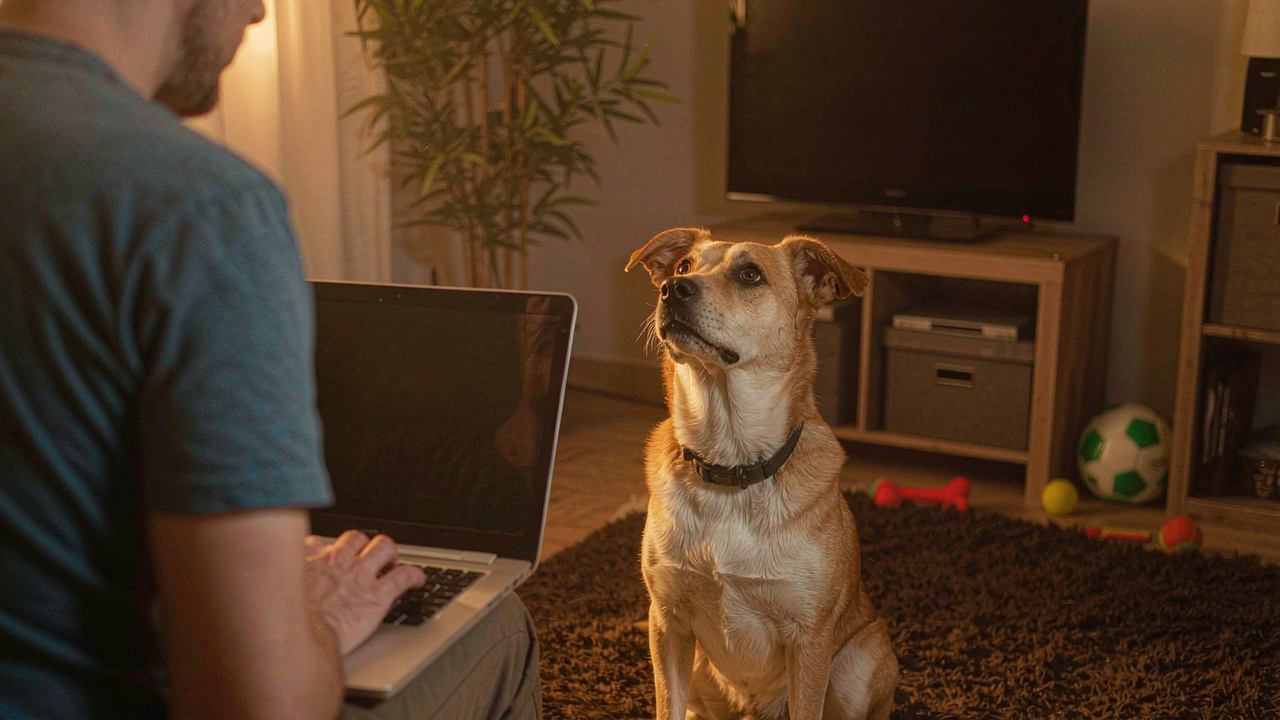
It starts as a little high-pitched noise from the corner of the room while you're trying to work or watch TV. You look over, they've got their eyes locked on you, and the second you make eye contact, the whine gets a little more insistent. An hour later it's still going. It's one of those sounds that can go from "kind of cute" to "genuinely hard to live with" faster than you'd expect. The tricky part is that whining is never just one thing — it can mean "I'm bored and I want you," or it can mean "something is actually wrong." Learning to tell the two apart is the whole game.
Whining Is a Message, Not Just a Habit
Dogs can't open their mouth and say "hey, I need something," so they use the next best thing: a whine. It's one of their most natural communication tools, and it can carry a surprising range of meanings — excitement, boredom, frustration, anxiety, discomfort, or pain. Before you can do anything about the whining, you have to figure out which one you're hearing. And the single most useful question to ask is simple: does the whining stop when I give them what they seem to want?
The Attention-Seeking Whine
This is the one most people are dealing with, and it usually has a pretty clear pattern. The dog whines when you're busy — working, on the phone, eating, talking to someone else. The moment you look, talk, or reach over, the whining stops, because the goal was exactly that: to get your attention. Give it a minute and it often starts right back up when they want more. It's not sneaky or manipulative in a human sense — they've simply learned, through repetition, that whining works. If whining has gotten you to glance over, offer a treat, or start a game in the past, they've filed that away as a winning strategy.
There's usually nothing sinister about it. Dogs who are under-exercised, under-stimulated, or just a little bored are far more likely to turn to whining for attention, because they've got energy and nothing to do with it. Puppies and young dogs are especially prone to it, since they're still experimenting with what gets a response and what doesn't.
The Distress Whine
This is the one you don't want to write off as attention-seeking, because it means something's actually wrong. The telltale signs are usually in what happens around the whining:
- It doesn't stop when you comfort them. Give them attention and they keep going — that's a clue it's not about the attention itself.
- It comes with other stress signals. Pacing, panting, trembling, lip-licking, yawning, or a tucked tail often ride along with genuine distress.
- It's sudden and out of character. A dog who's never been vocal suddenly whining a lot is worth paying close attention to.
- They seem physically off. Guarding a body part, reluctant to move, hunched posture, or a change in appetite or bathroom habits.
When you see these, the first stop is always the same: rule out pain or illness. Dogs can't tell us about a toothache, a sore joint, an upset stomach, or the early stages of something more serious — whining is how a lot of that comes out. A sudden, persistent whine in a dog who's not normally vocal is a classic reason to book a vet check.
Fear is the other big one. Thunderstorms, fireworks, car rides, unfamiliar places, or new people can all trigger a kind of whining that's really anxiety. That's different from attention-seeking in an important way — the dog isn't asking for a game, they're genuinely scared, and what they need is calm, steady reassurance and a safe, quiet place to ride it out. Senior dogs have their own version of this too: cognitive decline can cause confusion and distress that often shows up as whining, especially at night.
And then there's separation anxiety, which is its own category. A dog with true separation anxiety isn't just bored when you leave — they panic. The whining often starts within minutes of your departure and can go on for a long time, sometimes alongside destructive behavior or accidents in the house even in a fully housetrained dog. That's a deeper issue than "wants more walks," and it usually deserves a professional's help, not just more chew toys.
What to Do About Attention-Seeking Whining
Once you're reasonably sure it's attention-seeking and the dog's basic needs are met — they've eaten, had water, gone outside, and gotten some exercise — the fix comes down to one uncomfortable principle: stop rewarding the noise.
Don't reward the whine. No eye contact, no talking, no touching while the whining is happening. Even a "stop it" counts as attention to a dog who's just trying to get a reaction. This is genuinely hard to do, especially when the whine is aimed right at you, but consistency is the whole thing.
Wait for quiet, then reward that instead. The moment there's even a few seconds of silence, calmly give them what they were after — a little praise, a scratch, or a short game. The message you're teaching is that quiet gets results and whining doesn't. It takes repetition, but it's the core of the whole approach.
Teach a better way to ask. Give them a specific, calm behavior that works as an alternative — going to a mat, sitting in front of you, or touching your hand with their nose. Reward that generously when they use it. It gives the dog a "word" to replace the whine.
Fill the actual need. A lot of attention-whining is really boredom in disguise. More exercise, puzzle toys, training sessions, and regular mental stimulation cut the demand for attention at the source. A tired, engaged dog simply has less to whine about.
Expect it to get worse before it gets better. There's a well-documented wrinkle here called an extinction burst: when a behavior that used to work stops working, the dog often doubles down and whines harder for a while before giving up. That's not failure — it's a sign the training is working. The worst thing you can do at that exact moment is cave, because it teaches them that louder whining works.
Get everyone on the same page. If one person ignores the whine and another gives in because it's adorable, the dog learns the rule is negotiable. Consistency across the whole household is what makes it stick.
When to Get a Professional Involved
Most attention-seeking whining improves noticeably within a couple of weeks of consistent ignore-and-reward work. But some whining is bigger than a training fix. Reach out to a vet or a qualified behavior professional if the whining is tied to aggression or reactivity, seems connected to separation panic, or doesn't improve despite consistent effort at home. Whining linked to pain, severe fear, or age-related cognitive changes also deserves a vet's input rather than guesswork.
The Bottom Line
A whining dog isn't trying to drive you up the wall — they're trying to tell you something. The trick is figuring out whether it's "I want your attention" or "I need your help." Once you've ruled out pain, fear, and medical causes, the rest is mostly patience: stop rewarding the noise, reward the calm, and make sure your dog's real needs for exercise and mental stimulation are being met. Do that consistently, and the whining usually fades into the background — and the relationship gets a little calmer and clearer on the other side.
Has your dog ever gone through a big whining phase? What did you eventually realize it was really about — boredom, anxiety, or something else — and what finally helped quiet it down? I'd love to hear your version.
This article is for informational purposes only and is not a substitute for professional veterinary advice, diagnosis, or treatment. Always consult a licensed veterinarian if your pet shows signs of illness, injury, or distress. If you believe your pet is experiencing a medical emergency, contact your veterinarian or the nearest emergency animal hospital immediately.
🐾 Enjoyed This Article?
Save it for later, share with a fellow pet parent, or check out more tips on our homepage!
📩 Never Miss a Tip
Get our best pet care hacks delivered straight to your inbox. No spam, unsubscribe anytime.