Why Dogs Ignore "Come" at the Park (and How to Build a Reliable Recall)
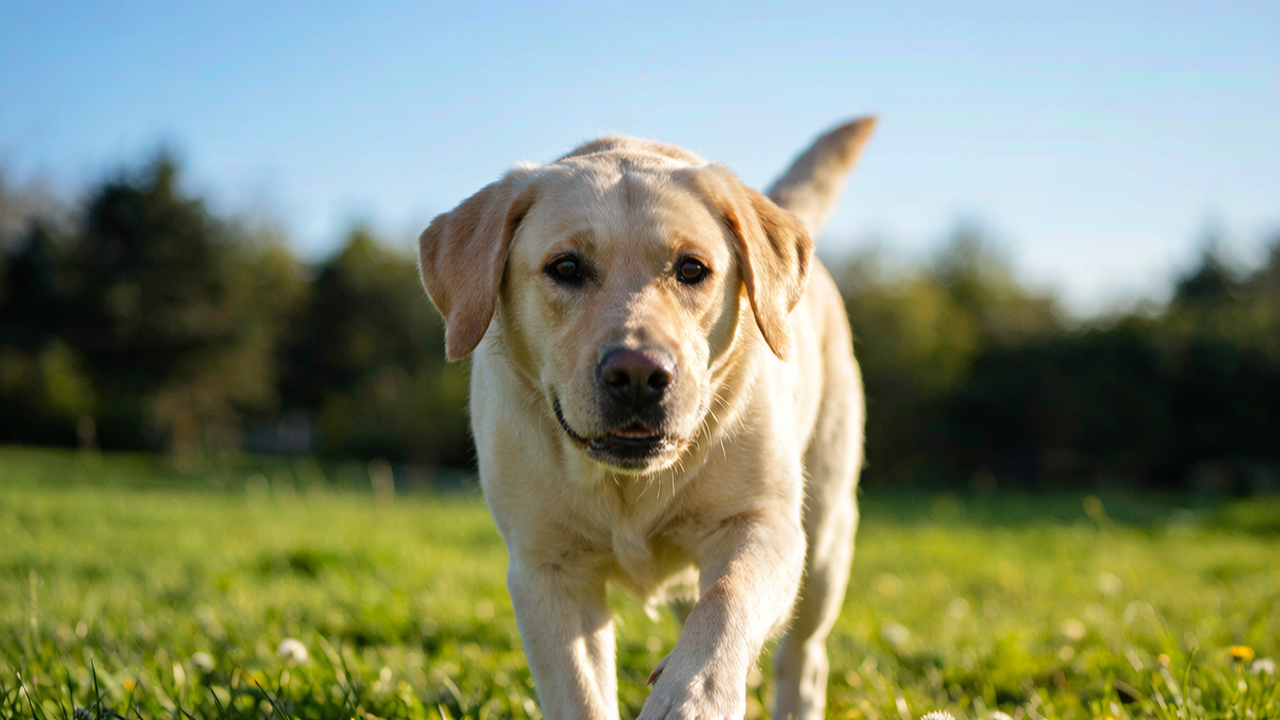
A reliable recall often collapses the moment real-life distractions appear. A dog that comes instantly in the living room may ignore the cue at the park, where smells, other dogs, and movement compete for attention. [source]
This gap is not stubbornness or a broken bond. It is a training problem with a known fix: rebuild the recall in stages, starting from zero distraction and paying well for the correct response.
The plan below is a structured approach many trainers use — reset the cue, make it worth responding to, practice in easy places first, add distance and distraction slowly, and use a long line so the dog cannot practice the wrong choice.
Why "Come" Works at Home but Fails in the Park
Dogs are poor at generalizing a cue across locations. A recall learned in the kitchen is, to the dog, a "come in the kitchen" behavior. Practicing in the hallway adds a second version; the backyard is a third. Each new environment is effectively a new skill, and owners who skip re-teaching it everywhere end up with a cue that only works in one room. [source]
A useful analogy: learning recall in the living room is like learning to drive in an empty parking lot. The dog park is rush-hour on a six-lane highway. The dog is not ready for it just because the cue works at home.
The other common mistake is assuming the dog is being stubborn. In most cases the dog is simply over threshold — arousal from other dogs, squirrels, and freedom floods the brain so the dog cannot process the cue. Past a certain excitement point, the thinking part of the brain goes offline. This is biology, not defiance.
A Step-by-Step Recall Repair Plan
Step 1: Reset the recall cue
If an existing recall word has been ignored repeatedly, it may carry "poisoned" associations — the dog has learned the cue predicts the end of fun. Every ignored repetition teaches that the cue is optional background noise. [source]
One fix is to choose a fresh word with no history: "here," "now," or "to me." It should be a word no one in the household uses casually, so the dog has no prior baggage with it.
Use the new cue only when the dog is likely to succeed, and pair it with a reward the dog values.
Step 2: Make the cue worth responding to
For the first two weeks, every successful recall should be paid with a high-value reward — a small piece of hot dog or similar, not dry kibble. The reward needs to beat the distraction. A dog will choose the squirrel over a boring treat; a genuinely exciting reward changes that math.
An important rule: most recalls should end with the dog being released back to whatever it was doing. Call, reward, then "go play." If the cue always meant "fun is over, we're leaving," the dog learns that within a few repetitions. Dogs are pattern-recognition machines. [source]
Step 3: Practice in low-distraction places first
Spend the first weeks practicing in different rooms of the house, then the backyard, then a quiet street, then a near-empty park. At each new location, start at a few feet and only increase distance once the dog succeeds several times in a row. If it fails, drop the distance back down. The progression is slow, and that is the point. [source]
Step 4: Use a long line for safety
For the first months of outdoor practice, keep the dog on a 30-foot long line in any unfenced area. The goal is not control but prevention: every time a dog ignores a recall and keeps playing, it practices the wrong choice. The line lets you gently reel the dog in without allowing the reward of running off. [source]
Never use the line to jerk or punish. A line used for corrections teaches the dog to avoid you when it is on. The line exists only to prevent the payoff of running away.
Step 5: Learn the "point of no return"
After a few months, most owners can read the dog's tells — the ear perk or body tension right before it locks onto a distraction and the brain goes offline. Call before that moment, not after. Calling a dog already sprinting toward another dog is too late; the window has closed.
Also call the dog back at random points during walks simply to reward and release. Frequent, low-stakes recalls build a habit of checking in. A dog that checks in voluntarily is easier to recall when it matters.
A Realistic Timeline (Not the "3 Days!" Myth)
Headlines promising reliable recall in "three days" or "one week" overstate the work. A more honest progression for a dog with a history of ignoring the cue:
- Weeks 1-2: New cue works inside the house with high-value rewards.
- Weeks 3-4: Reliable in the backyard.
- Month 2: Working quiet streets at roughly 80% success; begin mixing in plainer treats.
- Months 3-4: Recall possible at the park with few other dogs, around 70% success; high-value rewards still needed there.
- Month 6: First successful recall off a high distraction like a squirrel mid-chase.
This is months of consistent daily practice, not days. No recall is truly bombproof — there is always a scenario that is too exciting, too scary, or too novel. The realistic goal is a dog that returns the large majority of the time, with management (long line, fenced areas) covering the rest. [source]
The Gear That Actually Helps
Gear is rarely the solution, but a 30-foot biothane long line is genuinely useful. Biothane is waterproof, low-odor, and slides through the hands without rope burn — an upgrade over nylon lines that tangle and chafe. A belt-mounted treat pouch is the other worthwhile item: immediate access to the reward lets you mark the moment of success. Timing matters more than many owners realize; a reward delivered three seconds late loses its connection to the behavior. [source]
How to Tell Your Recall Is Working
After a few months, progress shows up as:
- The dog checks in voluntarily — glancing back on walks without being called.
- It can be recalled away from another dog mid-play, not just from calm situations.
- Recall speed increases from a casual trot to a sprint.
- The owner feels less anxious at the park.
If none of these are happening yet, the recall is still in progress. That is normal — this work takes months, and consistency matters more than speed.
This article is for informational purposes only and is not a substitute for professional veterinary advice, diagnosis, or treatment. Always consult a licensed veterinarian if your pet shows signs of illness, injury, or distress. If you believe your pet is experiencing a medical emergency, contact your veterinarian or the nearest emergency animal hospital immediately.
🐾 Enjoyed This Article?
Save it for later, share with a fellow pet parent, or check out more tips on our homepage!
📩 Never Miss a Tip
Get our best pet care hacks delivered straight to your inbox. No spam, unsubscribe anytime.
Shop dog training treats on Amazon & Chewy
Comparing prices before you buy? Check current deals and read reviews from other pet owners.