Dog Ear Mites vs. Ear Infection: How to Tell the Difference and What Actually Helps
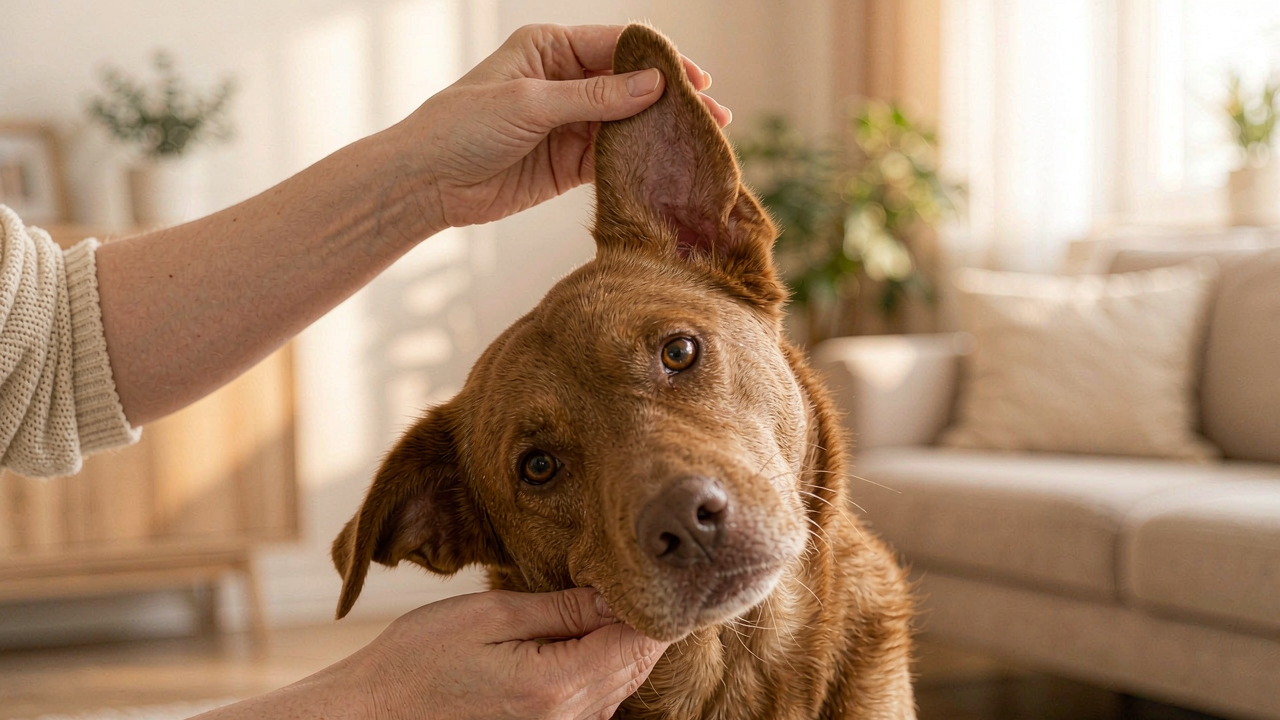
Your dog has been shaking his head like he's trying to dislodge something, scratching at one ear, and rubbing the side of his face along the rug. You take a look inside and find a dark, crumbly buildup that wasn't there last week. Now you're stuck on the question every owner lands on: is this ear mites, or is it an infection?
The two look and sound almost identical, but they're caused by completely different things and need completely different treatment. Getting them mixed up is exactly how a small problem drags on for weeks. Here's how to tell them apart and what to actually do about it.
Why the Confusion Is So Common
Ear mites and ear infections share most of their visible symptoms, because both of them make the ear canal itchy, sore, and inflamed. A dog with either problem will scratch, shake his head, and rub his ears. Both can produce dark discharge. And to make it worse, a dog can have both at the same time — mites often open the door to a secondary infection once the scratching breaks the skin.
The key difference is what's causing the trouble. Ear mites are tiny parasites — the most common one in dogs is called Otodectes cynotis — that live inside the ear canal and feed on wax and skin debris. An ear infection, by contrast, is an overgrowth of bacteria or yeast, usually triggered by moisture, allergies, floppy ears, or an underlying skin issue. One is a pest problem; the other is a microbe problem. They need different fixes.
How to Read the Clues Inside the Ear
You can't diagnose from the outside with certainty, but the discharge itself often gives you a strong hint about which direction you're dealing with.
Ear mites tend to produce a dry, crumbly, dark-brown or black buildup that looks like coffee grounds. It's made of mite waste, dried blood, and wax. There's usually not much of a smell on its own, though the smell can change if a secondary infection sets in.
Infections tend to produce a discharge that's thicker, wetter, or greasier — yellow, brown, green, or creamy — and they often come with a distinct, unpleasant, musty or yeasty odor. The ear itself may look redder and feel more painful to the touch than a straightforward mite case.
There's also a pattern to who gets what. Ear mites are more common in puppies and in dogs who've had close contact with other animals, because mites spread easily from pet to pet. Infections are more common in dogs with floppy ears, dogs who swim a lot, and dogs with allergies or recurring ear trouble.
Why Guessing Is a Bad Idea
It's tempting to grab the first ear cleaner you find and hope for the best, but here's the problem: the medications that clear up a bacterial or yeast infection do nothing to kill mites, and the treatments that kill mites won't touch an infection. If you treat the wrong thing, the real problem just keeps going — often worse, because a scratched-up ear is more prone to a secondary infection.
The other danger is putting anything into an ear that isn't in good shape. If the eardrum is damaged, certain drops can cause real harm. That's why the consistent advice from veterinary sources is the same: get a professional to look inside with an otoscope and check a sample under a microscope before treating. It's a quick exam, and it answers the mite-vs-infection question definitively instead of leaving it to guesswork.
What Actually Helps
Once you know what you're dealing with, the path gets much clearer.
For ear mites. Treatment is usually a parasite-killing medication, and many of the monthly flea and tick preventives also handle mites as a side benefit. The important part most owners miss is that mites spread, so every dog and cat in the house usually needs to be treated at the same time — even the ones showing no symptoms — or you'll just pass it back and forth. Bedding and shared sleeping spots should be washed, since mites can linger in the environment for a stretch.
For infections. The fix is cleaning plus the right antibacterial or antifungal medication, and the key is finishing the full course even if the ear looks better halfway through. Stopping early is how infections come back.
For both. Cleaning the ear before applying medication helps, but it should be done gently and only with a cleaner your vet has recommended. Never use cotton swabs or anything pointed inside the canal — that just packs debris deeper and risks the eardrum. And skip the home remedies you might read about online; most don't work, and a few are actively harmful.
What Happens at the Vet (So You Know What to Expect)
If you've never had a dog's ears checked, the exam is quicker and less dramatic than you might imagine. The vet looks into the canal with an otoscope — a small handheld light — to see what's going on and check that the eardrum is intact. Then they take a tiny sample of the discharge and look at it under a microscope. Mites are visible that way, crawling around in the sample, and yeast or bacteria show up just as clearly. That's what turns a guess into a definite answer.
From there, treatment is usually a two-step routine: a gentle clean to clear out wax and debris, then a medication chosen for whatever the microscope found. You'll get clear instructions on how often and how long to use it. The single most common mistake at this stage is stopping early because the ear "looks better" — finishing the course is what keeps the problem from boomeranging back in a week or two.
Keeping Ear Trouble From Coming Back
A few habits make a real difference over the long run. Check your dog's ears regularly so you catch changes before they turn into a full-blown problem. After swimming or a bath, dry the ears gently — moisture trapped in a floppy-eared dog is a standing invitation to yeast. Keep the ears clean, but don't over-clean; the ear canal has its own balance, and scrubbing it constantly can irritate the skin and set off the very problem you're trying to prevent. And if your dog has allergies or a recurring ear history, that's a signal to work with your vet on a maintenance plan rather than waiting for each flare-up.
The Signs That Mean "Don't Wait"
Most ear problems are uncomfortable but not urgent. A few signs should push you to act faster:
- A head tilt that won't straighten out, loss of balance, or walking in circles.
- Rapid, jerky eye movements, or vomiting paired with the ear trouble.
- A swollen ear flap — sometimes a blood-filled swelling forms from all the shaking.
- Sudden hearing loss or a dog who flinches when you come near the ear.
These can point to a problem in the inner or middle ear, not just the outer canal, and they warrant prompt attention rather than another week of watching.
The Bottom Line
Ear mites and ear infections look alike, act alike, and are treated differently — which is exactly why the best first move is a quick professional look at what's actually inside that ear. From there, the fix is usually straightforward: treat the right thing, treat every pet in the house when mites are involved, and finish whatever course of medication you're given. Catch it early and a dog who was shaking his head and scratching nonstop is usually comfortable again within a week or two.
Has your dog ever had you playing the "mites or infection?" guessing game? What tipped you off to the real cause — and did treating every pet in the house make the difference? Share it in the comments.
This article is for informational purposes only and is not a substitute for professional veterinary advice, diagnosis, or treatment. Always consult a licensed veterinarian if your pet shows signs of illness, injury, or distress. If you believe your pet is experiencing a medical emergency, contact your veterinarian or the nearest emergency animal hospital immediately.
🐾 Enjoyed This Article?
Save it for later, share with a fellow pet parent, or check out more tips on our homepage!
📩 Never Miss a Tip
Get our best pet care hacks delivered straight to your inbox. No spam, unsubscribe anytime.