Why Your Cat Suddenly Hisses and Swipes at You
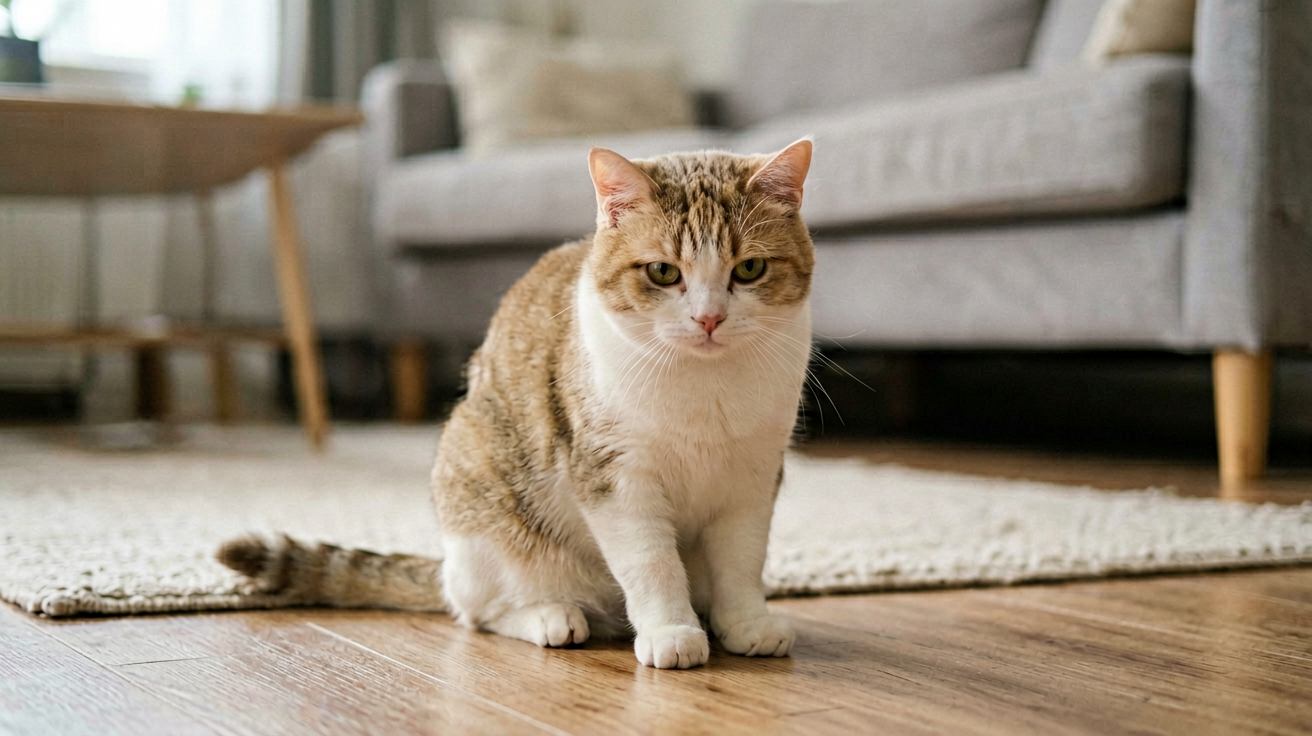
A cat who has never raised a paw at anyone in four years — the one who sleeps on your pillow and chirps at birds through the window — can flatten her ears, hiss like a snake, and rake four bloody lines across your forearm with no warning at all.
It's frightening, and the fear usually isn't of the cat. It's for the cat. Something is clearly wrong, and nothing in the moment tells you what.
If you're reading this because your cat just turned on you out of nowhere, two things are worth saying upfront: this doesn't make you a bad cat owner, and there is almost always a reason — you just haven't found it yet.
The Mistake Most Owners Make in the First 24 Hours
They take it personally.
Giving a hissing cat space is exactly right. The wrong part is the story that tends to come with it: she's mad at you, she's holding a grudge about the vet visit three days ago, cats are just mysterious. That framing sends you hunting for a grudge instead of a cause.
Three questions cut through it faster than anything else:
"Has she been hiding more than usual?"
"Is she grooming one spot excessively?"
"Has her eating or litter box behavior changed?"
The answer to all three is often yes. A cat in pain may spend more time under the bed, lick one spot on their flank obsessively, and leave smaller litter clumps for a few days — easy to chalk up to the weather.
"She's not angry," my friend said. "She's in pain."
Why Cats Hide Pain Until They Can't
This is the part that makes cats so hard to read, and it's rooted in biology. In the wild, a cat that shows weakness becomes a target. Predators notice the limping one. So cats evolved to be masters of disguise — they will hide pain right up until the moment they physically can't anymore.
By the time a cat hisses or swipes at you, they've usually been hurting for a while. The aggression isn't the beginning of the problem. It's the breaking point.
In many cases, a vet visit reveals a urinary tract infection that has been brewing for at least a week. The spot the cat had been obsessively grooming is often the lower belly — right where the discomfort radiates from. When you reach down to pet a cat in pain, you may inadvertently press a sore spot, and the cat reacts the only way a scared, hurting animal knows how.
Veterinarians stress that any sudden behavior change in a cat — especially aggression — should trigger a vet visit before you try anything else. Catching it early saves days of confusion and a lot of avoidable stress.
The Full List of Things That Can Trigger Sudden Aggression
Once a medical cause is ruled out, the list of possible triggers for sudden aggression is surprisingly long. Here are the ones that actually matter:
Medical Causes (Always Check First)
Pain is the #1 culprit. Dental disease, arthritis, urinary tract infections, ear infections, even a thorn in a paw pad — any of these can make a cat lash out when touched in the wrong spot. This is especially common in cats over 7, when arthritis starts showing up in ways owners often miss.
Hyperthyroidism can cause irritability and aggression in older cats. It's surprisingly common — affecting about 10% of cats over 10 — and it messes with their whole system.
Neurological issues are rarer but serious. Seizures, brain tumors, or cognitive decline in senior cats can all trigger personality changes.
Vision or hearing loss can cause a cat to startle easily. If your cat didn't see or hear you coming, that "attack" might actually be a defensive reaction to being surprised.
Non-Medical Causes (If the Vet Gives the All-Clear)
Redirected aggression is the one that confuses people most. Your cat sees another cat outside the window. They can't reach that cat, so they're frustrated and amped up. You walk into the room. Boom — you become the target, not because you did anything wrong, but because you were there. The aggression wasn't meant for you. You just happened to be the nearest outlet.
Fear-based aggression can develop after a single traumatic event. A falling object that scared them. A too-rough handling by a guest. A bad experience at the groomer. Cats have long memories, and they can associate a person or even a room with that fear.
Overstimulation is the one most people have heard of — petting that goes on too long until the cat hits their threshold and bites. But it's important to distinguish this from the sudden, unprovoked-seeming aggression that happens without petting. If your cat only gets aggressive during petting sessions, the fix is usually learning to read their body language better (tail twitching, ears slightly back, skin rippling). If they're aggressive at random times, look deeper.
Territorial anxiety can spike if something changed in the house. New furniture. New person. New pet. Even strong smells from outside — like a stray cat marking near your door — can trigger defensive aggression inside.
Step by Step (What Actually Helped)
Step 1: Vet Visit — Non-Negotiable
This cannot be stressed enough. Your cat cannot tell you their teeth hurt or their bladder burns. They can only show you through behavior. Diagnostic bloodwork and urinalysis typically run about $180 — a worthwhile investment for the peace of mind and the actual fix.
Step 2: Create a "Pain-Free Zone" While Healing
While the cat is on antibiotics for the UTI, set up a safe room — a spare bedroom works well — with everything they need: litter box, water, food, a soft bed, and a cardboard box with a blanket inside for hiding. No forced interaction. No picking them up. Go in, sit on the floor, read a book, and let the cat approach on their own terms.
On the first day, a recovering cat may stay under the bed the whole time. By day two, they may come out, sniff, and retreat. By day four, many are climbing into a lap and purring again — the first sign in a week that they feel safe.
Step 3: Learn to Read the Warning Signs
Once a cat recovers, paying attention to body language helps prevent the next flare-up. Watch for:
- Tail thumping — Not the slow, relaxed swish, but a fast, sharp thump. That's irritation.
- Ears rotating back — Even slight flattening means "I'm not comfortable."
- Dilated pupils in normal light — Fight-or-flight is kicking in.
- Skin rippling along the back — Some cats get a twitchy back right before they snap.
Learning these signs lets you back off before the cat reaches the hissing stage. In the year after a treated UTI, most cats stay incident-free.
Step 4: Environmental Tweaks That Made a Difference
Some changes that help keep a cat calm long-term:
- Window film on the lower half of the living room window. A neighbor's outdoor cat visiting the yard can leave an indoor cat in a state of agitated watchfulness for hours. The film blocks the view of ground level but still lets light in.
- A Feliway diffuser in the main living area. It's a synthetic version of the calming pheromone cats produce naturally. It sounds skeptical, but within a week many cats spend more time in open spaces instead of hiding. A starter kit runs about $25 and lasts a month.
- More vertical space. Add a cat shelf near the window and a tall cat tree in the corner. Cats feel safer when they can observe from above. Ground-level hiding is a last resort. Height is confidence.
When It's Time to Call a Behaviorist
If you've ruled out medical causes, made environmental adjustments, and your cat's aggression is still happening — especially if it's escalating in intensity — it's time to bring in a professional. A board-certified veterinary behaviorist (not just any trainer — look for DACVB certification) can assess the situation with an expertise that goes beyond what a regular vet can offer.
Not every case needs one, but having a referral saved is wise. Aggression that involves multiple household members, draws blood regularly, or is paired with other concerning behaviors (not eating, not using the litter box) should not be managed alone.
The Bottom Line
Your cat didn't suddenly "turn mean." Something happened — physical, environmental, or emotional — and the aggression is their only way of communicating it. Your job isn't to punish them or take it personally. It's to play detective.
Start at the vet. Give them space while you figure it out. Watch their body like you're learning a new language. And remember that most cats, with the right help, come back to themselves — often curled up on a favorite pillow again, purring in their sleep.
---
If your cat has had a sudden personality change, the first step is always a vet visit — what looks like a behavior problem is often a medical one.
This article is for informational purposes only and is not a substitute for professional veterinary advice, diagnosis, or treatment. Always consult a licensed veterinarian if your pet shows signs of illness, injury, or distress. If you believe your pet is experiencing a medical emergency, contact your veterinarian or the nearest emergency animal hospital immediately.
🐾 Enjoyed This Article?
Save it for later, share with a fellow pet parent, or check out more tips on our homepage!
📩 Never Miss a Tip
Get our best pet care hacks delivered straight to your inbox. No spam, unsubscribe anytime.
Shop cat supplies on Amazon & Chewy
Comparing prices before you buy? Check current deals and read reviews from other pet owners.