Cat Food Allergies: Signs to Watch For and How to Find the Trigger
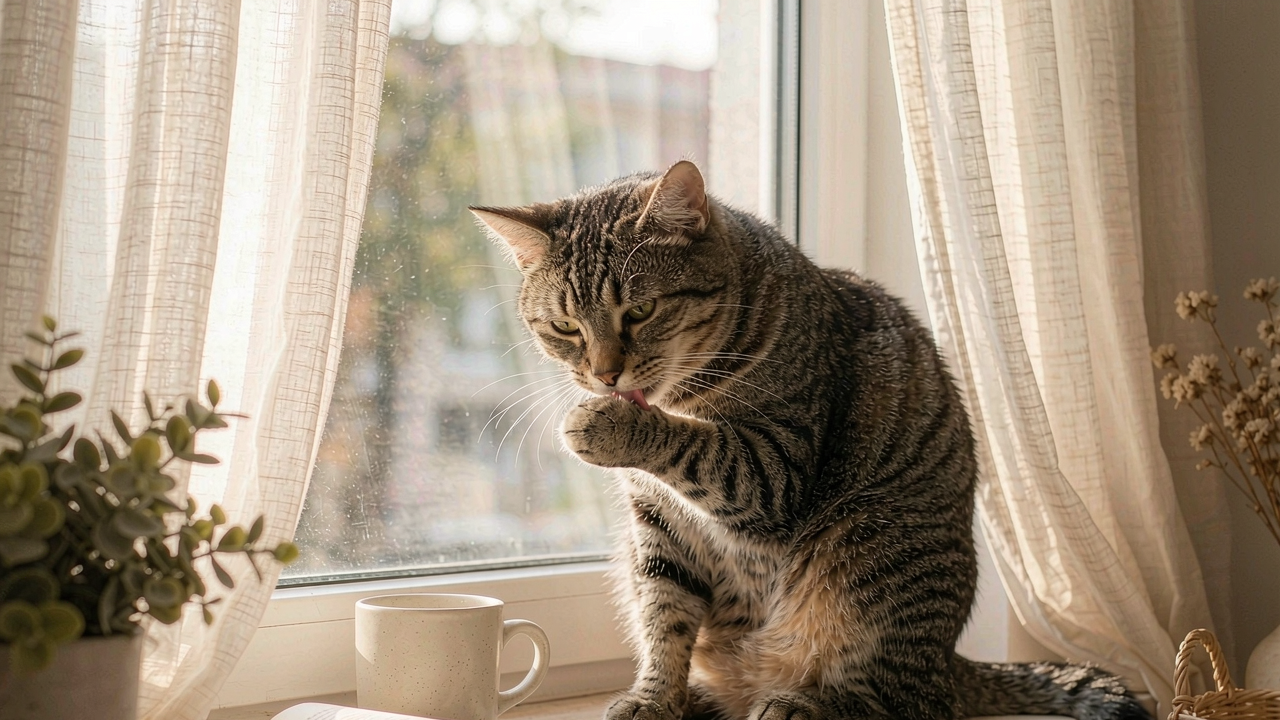
Your cat's been scratching, licking, and grooming the same spot for weeks. You've tried switching foods, and nothing changed. Now there's a bald patch behind their ears, and you're starting to wonder if you'll ever figure it out. If that sounds familiar, take a breath — food allergies in cats are genuinely maddening to diagnose, but they're also very manageable once you know what you're actually dealing with.
The tricky part is that the signs of a food allergy look almost identical to a dozen other problems, from fleas to pollen to plain old dry skin. So before you go down the rabbit hole, it helps to understand what a food allergy really is — and what it isn't.
What a food allergy actually is
A food allergy happens when a cat's immune system decides a normal ingredient is a threat and overreacts to it. It's different from a simple intolerance, which involves the digestive system and tends to be milder and more predictable. With a true allergy, the reaction usually shows up on the skin — and sometimes in the gut at the same time.
Here's the part that confuses a lot of owners: a cat can develop an allergy to a food they've been eating happily for years. It's not about a sudden switch to something new. The immune system just reaches a point where it starts reacting to a protein it used to tolerate perfectly well. That's why the food you've been feeding for ages can suddenly become the problem.
The usual culprits are proteins. When vets and researchers list the most common triggers in cats, the same names keep coming up: beef, fish, chicken, and dairy. A review of the research on adverse food reactions consistently points to beef, fish, and chicken as the most frequently reported problem proteins in cats. That's genuinely useful to know, because it means the answer often isn't a fancier or pricier food — it's simply a different protein.
The signs to look for
Food allergy symptoms tend to cluster in two places: the skin and the stomach. And frustratingly, they're usually both vague and stubbornly persistent.
On the skin: itchiness that goes on all year round (not just a summer thing), especially around the head and neck. You'll often see overgrooming, hair loss, and red or crusty bumps — sometimes called miliary dermatitis — along with ears that keep getting red, waxy, or infected no matter what you do. A cat who's constantly licking their belly, armpits, or paws is waving a flag.
In the gut: vomiting, diarrhea, and sometimes weight loss. A cat might also scoot or strain. These tummy signs don't always show up — some cats are purely itchy — but when they come alongside the skin stuff, food becomes a much stronger suspect.
One more thing worth knowing: a cat who's itchy because of food often looks exactly like a cat who's itchy because of fleas or an environmental allergy like pollen or dust. That overlap is why this genuinely can't be sorted out by guesswork — and why you shouldn't beat yourself up for not having nailed it already.
Why a blood test won't give you the answer
This is the piece that surprises people. There are allergy tests marketed for pets, but for food allergies specifically, blood tests aren't considered accurate. The only reliable way to confirm a food allergy is something called an elimination diet trial. It's slow and it's strict, but it works.
Here's how it goes. Your vet helps you pick a food that contains a protein your cat has never eaten before — a "novel" protein — or one that's been specially processed so the immune system can't react to it. Then your cat eats only that food, and nothing else, for several weeks. The trial usually runs anywhere from six to twelve weeks, depending on whose guidance you're following and whether the symptoms are mainly skin or mainly gut. During that whole window: no treats, no table scraps, no flavored medications, and no sneaking the other cat's food. Even licking a freshly washed plate can muddy the results, so bowls get rinsed carefully and counters stay clear.
If the symptoms clear up during the trial, you have your answer. To be really sure, the vet will often have you reintroduce the old food — and if the symptoms come roaring back within a week or so, that's the confirmation.
What to actually do about it
Start with the vet, not the pet store. Because fleas, mites, and skin infections can all mimic a food allergy, the first move is to have a vet rule those out and treat anything obvious. There's no point running a six-week food trial if the real problem is a flea allergy.
Run the trial properly, or don't bother. This is the step where most people give up, and I get why — it's genuinely inconvenient. But a half-done trial just wastes weeks. Pick the food with your vet's help, and be ruthless about the "nothing else" rule. If you have multiple cats, feed them in separate rooms or use a microchip-activated feeder so the trial cat can't steal a mouthful of the wrong food. The strictness is the whole point; a single forbidden treat can throw off weeks of work.
Plan for the long game. Once you know the trigger, the fix is mostly just avoiding it — for life, in many cases. The encouraging part is that once a cat is on the right diet, they can live completely normally and symptom-free. Some owners later reintroduce ingredients one at a time to pin down exactly what's bothering their cat, but you don't have to; plenty of people are happy to just stay on the food that works.
Support the skin while you sort it out. Solid flea control, a skin-soothing routine that your vet suggests, and supplements like omega fatty acids can all take the edge off the itch while you're in the middle of figuring things out. For a bad flare-up, a vet can also prescribe something to calm the reaction short-term, which makes the trial a lot more bearable for everyone. A comfortable cat is a lot more likely to cooperate with the whole weeks-long process, and keeping the scratching under control means fewer secondary skin infections along the way.
The honest bottom line
A food allergy can't be cured, but it can be managed well. The frustrating part is the diagnosis — weeks of strict dieting and a fair amount of patience. The encouraging part is that once the trigger is found, most cats go right back to being comfortable, and the scratching finally stops.
So if your cat has been itchy or throwing up on and off for a while with no obvious answer, this is worth raising at your next vet visit. Bring notes on what they eat, when the symptoms flare, and anything else you've noticed — the more detail you can hand over, the faster you'll get there.
Has anyone here been through an elimination diet trial with their cat? What protein turned out to be the culprit? Drop a comment — I'd love to hear how it played out, because it really does seem like every cat's trigger is a little different.
This article is for informational purposes only and is not a substitute for professional veterinary advice, diagnosis, or treatment. Always consult a licensed veterinarian if your pet shows signs of illness, injury, or distress. If you believe your pet is experiencing a medical emergency, contact your veterinarian or the nearest emergency animal hospital immediately.
🐾 Enjoyed This Article?
Save it for later, share with a fellow pet parent, or check out more tips on our homepage!
📩 Never Miss a Tip
Get our best pet care hacks delivered straight to your inbox. No spam, unsubscribe anytime.