Cat Urinary Blockage and FLUTD: Warning Signs and When It's an Emergency
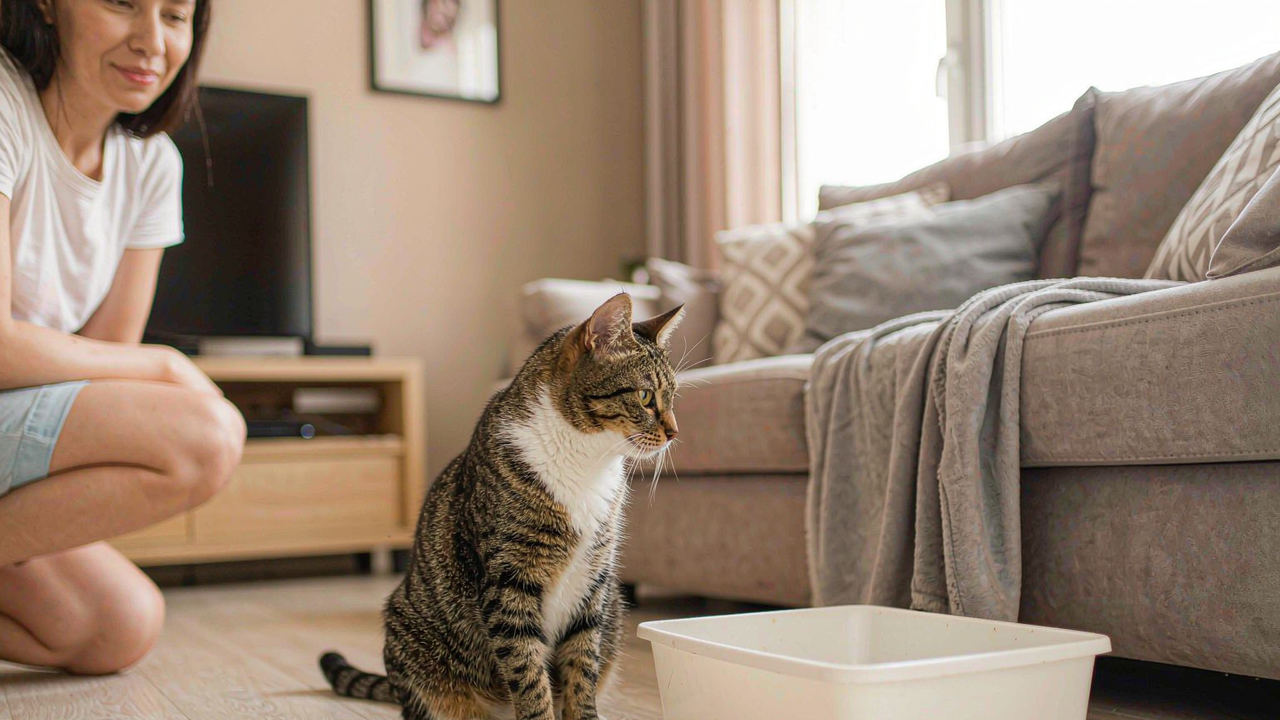
It's the middle of the night and your cat keeps walking back to the litter box. In, squat, strain, out. In again, squat, strain, out. Then you hear it: a low, unhappy yowl that doesn't sound anything like the usual "feed me" meow. Plenty of owners brush this off as constipation or a cat just being dramatic. But if your cat is a male and he can't seem to pass any urine, that yowl might be the one sound you should never ignore.
Urinary problems are one of the most common reasons cats end up in the emergency room, and a true blockage is a race against the clock. Here's how to tell a minor issue from a real emergency, and what you can do at home to keep it from happening in the first place.
What's Actually Going On: FLUTD and the Blocked Bladder
Vets group a whole family of bladder and urethra problems under one umbrella called feline lower urinary tract disease, or FLUTD. It's not one single disease. It covers a few different conditions that all show up in roughly the same frustrating ways.
The most common form is called idiopathic cystitis — basically bladder inflammation with no infection or stone that anyone can find. Depending on the estimate, that accounts for well over half of FLUTD cases. The tricky part is that the symptoms look almost identical to a blockage: frequent trips to the box, straining, blood in the urine, peeing outside the box.
The difference matters a lot. A cat with cystitis is uncomfortable but can still pass urine. A cat with a blockage cannot empty his bladder at all. That second situation is a true medical emergency.
A blockage is almost always a male-cat problem. A male cat's urethra — the tube that carries urine out — is longer and much narrower than a female's, so it's far easier for it to get plugged. The plug is usually a mix of protein, cells, and mineral crystals, though sometimes a bladder stone lodges in there. When urine can't get out, the bladder swells painfully, pressure backs up into the kidneys, and toxins and potassium start building up in the blood. Left untreated, that cascade can turn fatal within a couple of days, and in the worst cases even faster.
The Cats Most at Risk
If you're picturing an old, frail cat, flip that image. The classic blocked cat is actually a young to middle-aged male — roughly one to five years old. Overweight indoor cats who eat mostly dry food are overrepresented, which makes sense when you think about how a blockage forms. Less water moving through the system means more concentrated urine, and concentrated urine is exactly where crystals like to form.
Stress is a surprisingly big player too. A new baby, a move, another pet, a change in routine — all of it can trigger a flare of bladder inflammation that tips a cat from "fine" to "blocked."
Reading the Signs: What to Watch For
The warning signs fall into two groups: the stuff you can wait on, and the stuff you absolutely can't.
Early or mild signs — worth a vet visit, but not an emergency:
- More trips to the litter box than usual
- Straining or spending a long time squatting
- Small puddles instead of normal clumps
- Blood in the urine (it can look pink, red, or rusty)
- Peeing outside the box, especially on cool surfaces like tile or the bathtub
- Licking the genital area more than normal
- Acting quieter or hiding more than usual
Emergency signs — get to a vet or emergency clinic now:
- Straining hard but producing little to no urine. This is the big one. If your cat keeps trying and nothing comes out, don't wait to see if it resolves.
- Crying or yowling while trying to pee
- Vomiting, drooling, or refusing food
- Growing lethargic or seeming "out of it"
- A firm, round, painful-feeling lump in the lower belly (that's an overfull bladder)
A good rule of thumb: if your male cat hasn't produced any urine in several hours despite repeated attempts, treat it as an emergency. The window for a good outcome is measured in hours, not days.
When You Shouldn't Wait
Some situations genuinely can't wait for a normal appointment. If your male cat is straining with no output, vocalizing in pain, or getting wobbly and dull, call the emergency vet before you do anything else. Don't try to massage the bladder or force fluids yourself — you can do more harm than good. The treatment for a blockage happens under sedation or anesthesia, with a catheter, fluids, and pain relief. That's not something anyone can replicate at home, and trying to "wait it out" is how a fixable problem becomes a fatal one.
Prevention: The Stuff That Actually Moves the Needle
The good news is that a lot of blockage risk comes down to a few very doable habits, and they all circle back to one idea: get more water through your cat.
Feed more wet food. This is the single highest-impact change for most cats. Canned food can be around 70 to 80 percent water, while dry kibble often sits closer to 10 percent. Switching even part of a cat's diet to wet food dramatically increases daily water intake without you having to fight him to drink.
Make water genuinely appealing. Many cats drink more from running water, which is why fountains are so popular. Others prefer a wide, shallow bowl that doesn't touch their whiskers. Put bowls in a few different rooms, keep them clean, and refill with fresh water daily. Adding a little water to wet food is another sneaky win.
Cut the stress. Since bladder inflammation is so tied to stress, a calm, predictable home is real medicine. Give your cat places to hide and climb, keep feeding and play times steady, and introduce big changes slowly. For multi-cat homes, the "one plus one" rule — one litter box per cat, plus one extra — genuinely reduces tension and gives every cat a safe spot to go.
Keep weight in check. Extra pounds are a known risk factor. Measured meals and a little daily play help more than most people expect.
Don't ignore the early signs. The cat who strains a little today is the cat who might block next month. Catching cystitis early, before it ever becomes a blockage, is far easier on everyone.
A Quick Way to Think About It
If your cat pees normally but just a lot, that's a conversation with your vet. If your cat strains, cries, and nothing comes out — especially a male cat — that's an emergency. When in doubt, call. Veterinary teams would much rather talk you through a false alarm at midnight than see a cat arrive too late.
Every home with a male cat should know this stuff cold, because blockages don't send a calendar invite. They just show up, often at the worst possible time. Once you know the signs and have water, wet food, and a calm home working in your favor, you've already done most of what prevention asks of you.
This article is for general information and doesn't replace a hands-on exam from a licensed veterinarian. If you think your cat might be blocked, call your vet or an emergency clinic right away.
Has your cat ever had a urinary scare? What was the first sign you noticed — and did it turn out to be cystitis, a blockage, or something else? Drop it in the comments; someone else is probably going through it tonight.
This article is for informational purposes only and is not a substitute for professional veterinary advice, diagnosis, or treatment. Always consult a licensed veterinarian if your pet shows signs of illness, injury, or distress. If you believe your pet is experiencing a medical emergency, contact your veterinarian or the nearest emergency animal hospital immediately.
🐾 Enjoyed This Article?
Save it for later, share with a fellow pet parent, or check out more tips on our homepage!
📩 Never Miss a Tip
Get our best pet care hacks delivered straight to your inbox. No spam, unsubscribe anytime.