How to Bathe a Dog That Hates Water (Without the Wrestling Match)
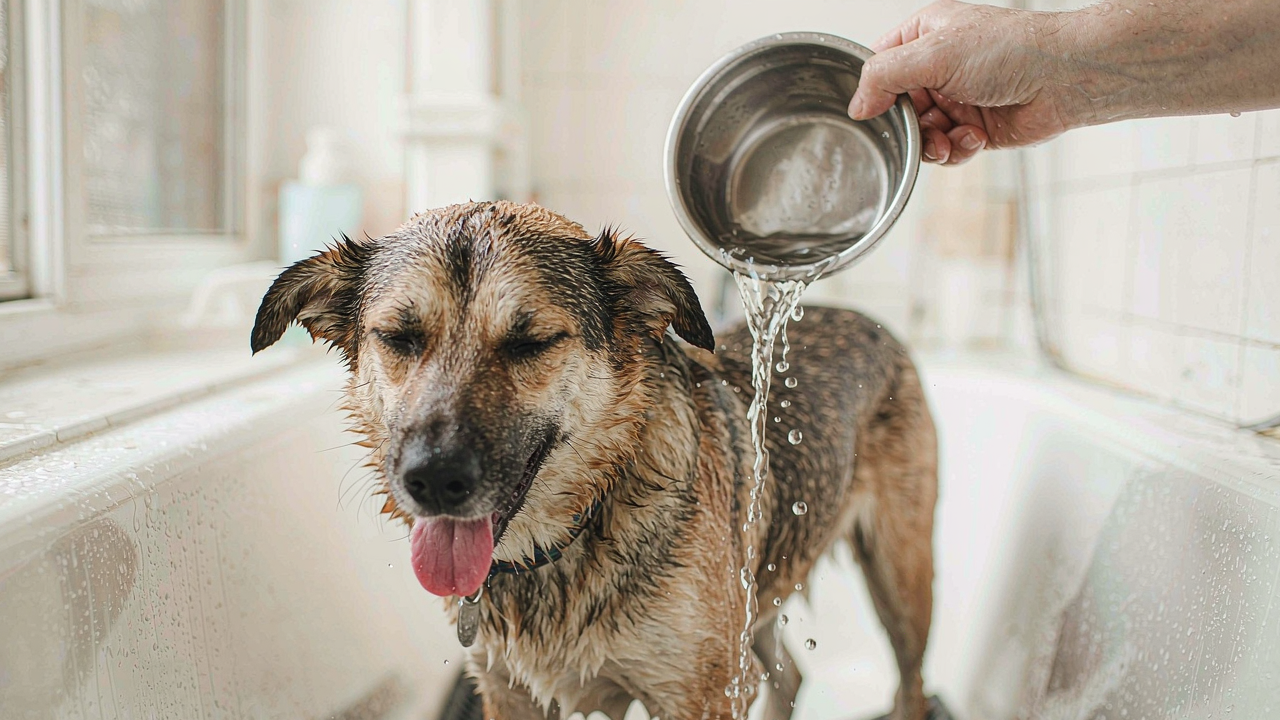
You know the routine. You grab the towel, you run the water, and the second your dog figures out what's happening, he plants all four feet and goes from a happy family pet to a furry bag of concrete. Bathing a dog who hates water can feel like a full-contact sport — one that leaves you soaked, frustrated, and swearing you'll just let him be stinky forever.
Here's the thing to keep in mind: your dog isn't being difficult. He's scared. Dogs who are scared do one of two things — they freeze or they fight — and most "impossible" bath dogs are just frightened dogs who've learned that bath time means slipping, loud water, and water in the eyes. The good news is that fear is something you can work with. You can't reason with a dog, but you can slowly teach him that the bathtub isn't a trap.
Why Some Dogs Hate the Bath
Water dislike usually has a real reason behind it, and figuring out which one applies to your dog makes the fix a lot easier. Some dogs had one bad experience early on — a slip, a scare, a forced dunk — and decided bath time is a threat. Others hate the sensation of being wet, or the noise of a running tap, or the loss of control that comes with standing on a slick surface. Even dogs who happily leap into a lake can turn into statues in a bathtub, because a bathtub is a very different situation from a swim.
The first step, then, isn't more wrestling. It's lowering the stakes so your dog has a chance to realize nothing bad is happening.
Set Up Before You Bring the Dog In
Almost all bath drama is avoidable with a little prep, and most of it comes down to removing the things that trigger panic.
Pre-fill the tub. The sound of running water is one of the biggest triggers there is. Fill the tub with a few inches of lukewarm water before your dog ever enters the room. Lukewarm is key — water that's too cold is startling, and too hot is uncomfortable, so aim for roughly skin temperature. And keep the water level shallow, no higher than your dog's belly, so he never feels like he's drowning.
Lay down a non-slip mat. This is non-negotiable for a scared dog. A slick tub floor makes your dog feel like he's about to wipe out, and that panic is the root of a lot of bath-time misery. A rubber mat gives his feet something solid to grip and takes a huge amount of the fear away.
Gather everything within reach. Shampoo, a rinse cup or pitcher, towels, treats — all of it should be next to you before you start. You do not want to turn your back on a nervous dog to hunt for a towel.
Skip the human shampoo. Dog skin and hair sit at a different pH than human skin, and people shampoo can dry out and irritate a dog's coat and skin. Use a mild shampoo made for dogs, and if your dog has sensitive skin, look for one formulated for that.
Go Slow — Much Slower Than You Think
The mistake that turns a reluctant dog into a phobic one is rushing. Bathing a water-fearing dog is a project, not a chore you knock out in ten minutes.
Start with dry runs. Before there's ever water involved, bring your dog into the bathroom with treats and let him just stand in the empty, dry tub. Praise him, feed him, let him leave whenever he wants. Do this a few times over several days until the tub stops feeling like a threat.
Introduce water one body part at a time. When he's calm in the dry tub, use a small cup to pour a little lukewarm water over one paw, then reward. Work up to a leg, then the back. If he pulls away at any point, you've moved too fast — go back a step and slow down. The goal is boredom, not bravery. You want him to be so used to each step that it's not worth reacting to.
Use a cup, not a sprayer. A handheld spray nozzle can be loud and intense, and it's a common panic trigger. A large cup or pitcher is quieter, and it lets you place the water exactly where you want it — which matters, because you want to keep water well away from the face.
Protect the Face, Ears, and Eyes
The head is where most bath fear lives, because that's where the scary stuff happens: water up the nose, soap in the eyes, that feeling of water running down the face. Handle it carefully and you'll remove a lot of the drama.
Clean the face with a damp cloth, not the hose. Wet a soft cloth, wring it out, and wipe the face and muzzle gently. There's no reason to pour water over your dog's head at all.
Use a tear-free dog shampoo on the face, applied with your fingers, and rinse with a gentle squeeze bottle held well away from the eyes.
Keep ears dry. Water in a dog's ear canal can be uncomfortable and, over time, can lead to an infection. A pair of cotton balls placed lightly in the outer ear during the bath (and removed right after) helps block both moisture and a little noise. This is a small step that makes a real difference for dogs who flinch when water gets near their head.
Give Him Something Better to Do
A dog who's focused on a reward is a dog who's not focused on panicking. This is where a little bribery — the good kind — comes in.
A lick mat is worth its weight in gold. A silicone mat you can smear with something tasty and stick to the shower wall keeps your dog licking and calm while you work. Use a little plain yogurt, canned dog food, or a smear of peanut butter — just check the peanut butter label first, because some brands contain an artificial sweetener called xylitol that's toxic to dogs.
Save the best treats for bath time. If your dog only gets small pieces of cheese or cooked chicken when a bath is happening, bath time starts to become something to look forward to. Keep the rewards flowing during the bath, not just at the end.
When Bath Time Still Isn't Happening
Sometimes, no amount of patience makes the tub a happy place, and that's okay. There are perfectly good ways to keep a dog clean without a full bath:
- Waterless options. Dry shampoo sprays and grooming wipes can handle spot-cleaning dirty paws and in-between baths without a drop of water.
- A professional groomer. Good groomers bathe nervous dogs every day and have the equipment and calm to get it done safely. For a dog who's genuinely terrified, this is often the kindest route.
- An outdoor bath in warm weather. Some dogs who hate the indoor tub are fine with a gentle outdoor rinse on a warm day, where the whole situation feels less trapped.
And if your dog's fear is extreme — biting, frantic escape attempts, or shaking that doesn't stop — that's beyond a grooming tip. A trainer or a veterinary behaviorist who specializes in fear can build a proper plan. There's no shame in calling in help for a phobia.
The Bottom Line
Bathing a dog who hates water isn't about winning a fight of wills. It's about removing the fear, one small step at a time, until the tub stops feeling like a threat. Pre-fill the water, give him solid footing, go slow, protect his face and ears, and keep the treats coming. Most reluctant dogs don't end up loving baths — but plenty of them learn to stand calmly through one, and that's a win worth aiming for.
What's the single weirdest thing your dog has done to avoid a bath? And did any one trick finally turn bath time around? Tell us in the comments — misadventures welcome.
This article is for informational purposes only and is not a substitute for professional veterinary advice, diagnosis, or treatment. Always consult a licensed veterinarian if your pet shows signs of illness, injury, or distress. If you believe your pet is experiencing a medical emergency, contact your veterinarian or the nearest emergency animal hospital immediately.
🐾 Enjoyed This Article?
Save it for later, share with a fellow pet parent, or check out more tips on our homepage!
📩 Never Miss a Tip
Get our best pet care hacks delivered straight to your inbox. No spam, unsubscribe anytime.