Autumn Pet Safety: Seasonal Hazards Every Dog and Cat Owner Should Watch For
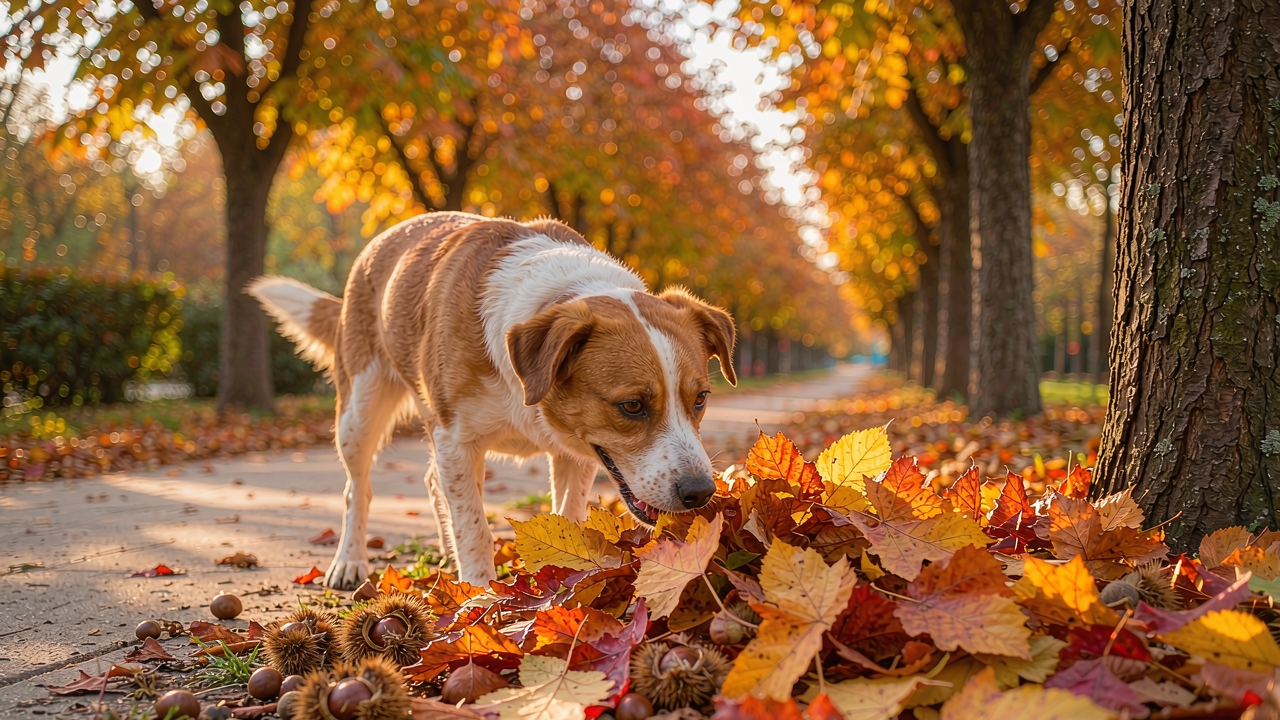
The moment the heating clicks back on and the evenings start drawing in, the risk list for your dog or cat quietly swaps over. Summer's biggest worries — overheating, hot pavement, burnt paw pads — fade into the background. What takes their place is a quieter, sneakier set of hazards: a sweet-tasting liquid sitting in the garage, shiny nuts scattered under the trees, damp corners sprouting mushrooms, and a dry indoor climate that slowly makes skin flaky and old joints stiffer. None of these announce themselves loudly. They just sort of show up with the season.
The good news is that almost all of it is preventable once you know what to look for. Here's what actually matters in autumn, and what to do about it.
Antifreeze: the sweet one that's deadliest
Every fall, as people top up their car coolant for the colder months, antifreeze becomes one of the most dangerous things a pet can come across. The active ingredient — a chemical called ethylene glycol — has a sweet smell and taste that dogs and cats genuinely seem to find appealing. That's exactly what makes it so dangerous: a cat or dog won't necessarily turn their nose up at a spilled puddle. They may actively drink it.
What makes it worse is how little it takes. For a cat, as little as a teaspoon or two can be fatal; for a dog, only a few teaspoons are needed. The signs are also confusing, because the first stage looks a lot like a drunk animal: wobbling, vomiting, seeming sleepy or uncoordinated, drinking and peeing more than usual. Some dogs then seem to perk up for a while — a false recovery that can lull an owner into waiting too long. The real damage lands later as kidney failure, often one to three days after the fact, by which point treatment options have narrowed sharply.
This is a true emergency, not a "keep an eye on it" situation. The antidote only works within a narrow window — roughly the first eight to twelve hours after ingestion. If you even suspect your pet has licked or drunk antifreeze, don't wait for symptoms to develop. Call a vet or a pet poison helpline straight away, and say clearly what you think they got into.
Prevention is the part you control: keep coolant containers sealed and out of reach, mop up any spills on the garage floor or driveway immediately, and don't let pets wander around a car that's been recently serviced. If you're doing a coolant flush yourself, treat the old fluid like a poison, because that's what it is.
Conkers and acorns: small, shiny, and easy to swallow
Autumn trees drop two things pets love to investigate with their mouths: conkers (horse chestnuts) and acorns. Both are easy to miss on a walk until your dog has already scooped one up.
Conkers contain a toxin called aesculin, and they're also a choking and blockage risk if swallowed whole — a round, smooth conker can lodge in the gut and need surgery to remove. Signs of a problem include vomiting, diarrhea, drooling, drinking more than usual, and a drop in appetite. In more serious cases, tremors or even seizures can follow.
Acorns bring a different toxin — tannins — plus the same choking and blockage risk. The classic signs are vomiting, diarrhea, a sore belly, and dehydration. Left untreated, heavy acorn ingestion has been linked to liver or kidney damage in rare cases, so this isn't one to shrug off either.
Neither conkers nor acorns require your dog to eat a huge pile to be a concern — even a swallowed whole one can cause trouble. On walks, keep an eye on what's being sniffed and scooped, and teach a reliable "leave it" or "drop it" cue for the moments you can't physically intervene. If you think something's been swallowed, get veterinary advice rather than waiting to see.
Wild mushrooms and fallen leaves
Damp autumn weather brings mushrooms up fast — in parks, on verges, and in your own garden. The problem with wild mushrooms is that it's nearly impossible to tell the harmless ones from the toxic ones just by looking, and the toxins vary wildly. Signs of mushroom poisoning can include nausea, drowsiness, twitching, and seizures. If your pet eats a wild mushroom, collect a sample or take a clear photo before heading to the vet — being able to identify the type genuinely helps treatment.
Fallen leaves are a smaller but real concern. Leaf piles are warm, damp, and dark — which is exactly where fleas and ticks like to hang out, and where mold can grow. A dog that loves to dive into leaf piles can come out carrying more than mud. It's fine to let them play; just give them a quick once-over afterward, especially around the ears, paws, and belly.
Fleas, ticks, and heartworm don't pack up in September
A very common autumn mistake is assuming parasite season ended with summer. It didn't. In much of the country, fleas and ticks stay active well into the fall, sheltering in leaf litter and underbrush. Mosquitoes — the carriers of heartworm — keep going until the first proper hard frost. So if you were planning to stop the flea, tick, or heartworm preventive once the weather cools, that's usually a few weeks too early. Follow the product's guidance and your vet's advice on how long to continue, rather than using the calendar alone.
Colder weather and older joints
If you've got a senior dog or cat, you may notice them moving a bit more stiffly as the mornings turn cold and damp. That's not your imagination — cooler weather can make arthritic joints ache more, and you might see slower rising, hesitation before jumping or climbing stairs, or a drop in playfulness. Small things help: a warm, soft bed placed away from drafts, ramps or steps for the couch or bed, shorter but more frequent gentle walks, and keeping their weight steady so those joints carry less. If the stiffness is obvious or getting worse, a vet can talk through options, but the everyday comfort stuff is very much in your hands.
Dry indoor air, coat changes, and weight creep
Turn the heating on and you dry the air out — which can mean flaky, itchy skin and a bit more shedding as your pet's coat adjusts to the season. A humidifier in the main room, regular brushing to lift dead undercoat before it mats, and not over-bathing (which strips natural oils) all help.
There's also a sneaky calorie side to autumn: shorter days often mean shorter, less frequent walks, so a dog that burned plenty of energy all summer can start to gain weight while eating exactly the same amount. If outdoor time is dropping, trim portions a touch or swap some treats for play, and try to keep the routine moving — even a brisk indoor play session or puzzle feeder counts.
A quick autumn checklist
- Keep coolant sealed and out of reach; wipe up spills instantly.
- Watch for conkers, acorns, and mushrooms on walks; practice "leave it."
- Keep flea, tick, and heartworm prevention going until the first hard frost.
- Give senior pets warm, draft-free bedding and easy ways up and down.
- Brush more often and consider a humidifier for dry-air itch.
- Ease portions slightly if walks have shortened.
None of this needs to turn autumn into a season of worry. It's mostly about noticing the quiet changes and getting ahead of them, the same way you'd swap a summer wardrobe for a warmer one. A little attention in September means a healthier, more comfortable pet come November.
What's the first thing you notice changing about your dog or cat when the weather turns — do they shed more, slow down on walks, or get itchier skin? Tell me how autumn treats your pet, and if there's a seasonal hazard I've missed, I'd love to hear it.
This article is for informational purposes only and is not a substitute for professional veterinary advice, diagnosis, or treatment. Always consult a licensed veterinarian if your pet shows signs of illness, injury, or distress. If you believe your pet is experiencing a medical emergency, contact your veterinarian or the nearest emergency animal hospital immediately.
🐾 Enjoyed This Article?
Save it for later, share with a fellow pet parent, or check out more tips on our homepage!
📩 Never Miss a Tip
Get our best pet care hacks delivered straight to your inbox. No spam, unsubscribe anytime.