Why Won't My Dog Eat? Appetite Loss Causes and When to Worry
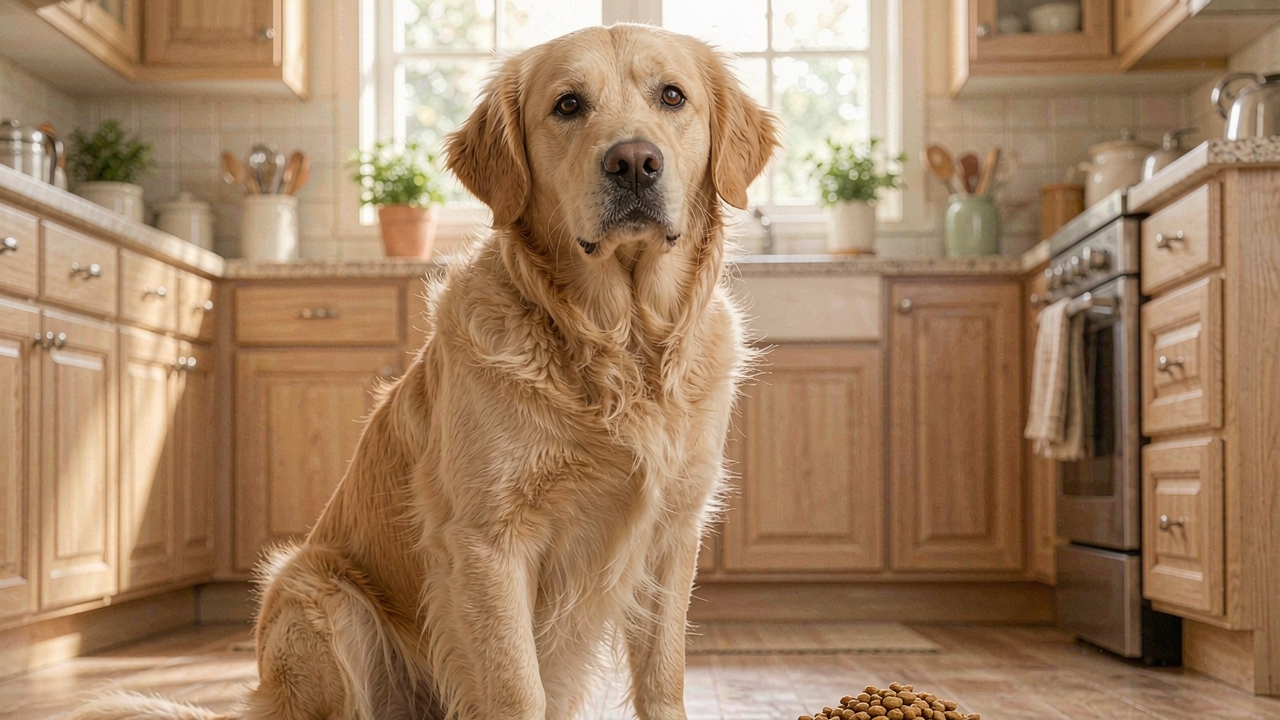
You set the bowl down, and your dog walks over, gives it one sniff, and wanders off to stare at the wall. An hour ago they were fine. Now you're standing in the kitchen with a full bowl of untouched food, running through every worst-case scenario in your head.
Here's the first thing to know, and it's a reassuring one: a dog's appetite is one of the very first things to change when something's off, often long before you see anything more obvious. That's actually useful. It means you get an early warning signal instead of a late one. The trick is learning how to read that signal instead of panicking over it — or, just as common, shrugging it off and waiting too long.
"Won't eat" can mean two very different things
Before you do anything, figure out which version of "not eating" you're dealing with, because they point in opposite directions.
The first version is the picky eater. This dog will refuse the kibble in the bowl but will happily inhale a treat, a piece of chicken, or whatever falls on the floor. If a dog turns down their regular food but still has an appetite for the good stuff, you're almost always looking at a preference issue, not a medical one. The dog has learned that holding out gets them something better.
The second version is true appetite loss, which vets call anorexia. This dog won't touch anything — not the kibble, not the chicken, not the cheese. A dog that refuses high-value food is almost always dealing with a medical problem, not a mood. If that's what you're seeing, stop troubleshooting at home and make the call.
That single question — "will they eat a treat?" — is the fastest way to sort a fussy dog from a sick dog.
The simple, non-scary reasons
A lot of the time, a dog who skips a meal has a completely boring explanation. Most of these clear up on their own in a day or two:
- Stress or a change in routine. A move, a new baby, houseguests, a stay at a boarding kennel, or even a family member leaving for a weekend can knock a dog off their food for a day or two. Some dogs are creatures of habit to a fault.
- Hot weather. Plenty of dogs simply eat less during a heat wave. As long as they're still drinking water and acting like themselves, this is usually normal.
- A food change. If you recently switched brands or flavors, the dog may just not like the new stuff. Dogs have opinions about food the same way people do.
- Recent vaccinations. A mild dip in appetite for a day or so after shots is common and not a cause for concern.
- Too many treats. This one sneaks up on people. A dog who's grazing on treats all day is going to skip meals because they're genuinely full. Treats should be no more than about 10% of a dog's daily calories — it's easy to blow way past that without realizing it.
If you can point to one of these and the dog is still drinking, still bright-eyed, and still wagging for a walk, you can usually watch and wait for a day.
The reasons that need a vet
Sometimes the appetite is the canary in the coal mine. The list of medical causes is long, but these are the ones that come up most:
- Mouth or dental pain. A broken tooth, sore gums, or an abscess can make chewing hurt, so a dog approaches the bowl, wants to eat, but then drops food, chews on one side, or cries. Bad breath is often part of this picture.
- Digestive upset. Gastritis, colitis, pancreatitis, or just having gotten into the trash can make a dog feel too nauseous to eat. If there's also vomiting or diarrhea, this is a strong clue.
- Something lodged in the gut. Dogs swallow socks, toys, rocks, and corn cobs all the time. A blockage often shows up as not eating plus repeated vomiting and a painful or bloated belly.
- Organ disease. Kidney disease, liver disease, and pancreatitis all classically start with a quiet loss of appetite, and they're most common in older dogs.
- Pain anywhere in the body. Arthritis or an injury can leave a dog too uncomfortable to stand at the bowl and eat normally.
- Hormonal issues. An underactive thyroid (hypothyroidism) can dampen appetite, among other things.
None of these are things you should try to diagnose from the couch. The point of the list isn't to turn you into a vet — it's to help you recognize that a food refusal that doesn't have an obvious, boring explanation deserves a professional look.
The timeline that tells you when to act
This is the part people get wrong, usually in one of two directions. Some folks panic over a single skipped meal; others let a sick dog go days without eating. Here's the useful middle ground, based on what vets actually recommend:
- Healthy adult dog: if they haven't eaten anything in about 24 hours — or if they skip food and show any other symptom like vomiting, diarrhea, or lethargy — it's time to call. By 48 hours with no food, you should definitely be in contact with a vet.
- Puppies under six months: don't wait. Puppies have tiny energy reserves and can develop dangerously low blood sugar quickly, so even missing a couple of meals is a reason to call.
- Small and toy breeds: same rule as puppies — their small bodies run out of fuel fast, so act within about 24 hours.
- Senior dogs and dogs with chronic conditions: a dog with diabetes, kidney disease, or liver disease can't safely miss meals. Contact the vet within 24 hours.
And a couple of red flags that mean "call right now," not "call tomorrow":
- Repeated vomiting, or trying to vomit and nothing coming up
- A swollen, hard, or painful belly
- Weakness, collapse, or trouble standing
- Pale or off-color gums
- Any chance they ate something toxic or swallowed an object
If you see any of those, skip the home remedies and get to a vet.
What you can safely try at home
For the picky eater or the mildly-off dog with no red flags, there are a few low-risk things worth trying before you book an appointment:
- Rule out pickiness. Offer a small amount of plain, unseasoned boiled chicken or another high-value protein. If they eat it eagerly, you're dealing with a preference issue, not a medical one.
- Warm the food slightly. A few seconds in the microwave brings out the aroma and makes food more appealing. Just stir it and test the temperature before serving.
- Try hand-feeding. Some dogs who are anxious or under the weather eat more readily out of a hand than a bowl.
- Add a safe topper. A splash of warm, low-sodium chicken broth (with no onion or garlic), a spoonful of plain pumpkin puree, or a sprinkle of a freeze-dried protein topper can renew interest.
- Set a routine. Put the food down for 15 to 20 minutes, then pick it up. Don't leave it out all day, and don't keep offering alternatives if they refuse. This teaches a dog that mealtime has a structure.
- Cut the treats. If the dog is filling up on snacks between meals, that's usually the whole story. Trim treats back and watch what happens.
What not to do
Two habits are worth flagging because they're common and counterproductive. First, don't keep swapping foods every day to find "the one they'll finally eat" — you can end up training a dog to hold out for better and better options. Second, and more importantly, don't delay the vet call when a dog is truly refusing all food. Going without food too long can lead to malnutrition and dehydration, and the underlying cause doesn't improve by waiting.
The short version
A dog who skips a meal but still devours treats is usually just being picky — fix the routine and the treats, and they'll come back around. A dog who won't touch anything, especially with vomiting, lethargy, or a sore belly, is sending a signal you shouldn't ignore. Appetite is one of the first things to change when a dog is sick, which means it's also one of the earliest chances you get to catch something before it gets worse.
What does "not eating" usually look like at your house — is it a dramatic walk-away from the bowl, or a slow decline over a few days? Tell us how you tell the difference between a picky phase and a real problem, because the more owners share, the easier it is for the next person staring at a full bowl at 7 a.m. to figure out their own dog.
This article is for informational purposes only and is not a substitute for professional veterinary advice, diagnosis, or treatment. Always consult a licensed veterinarian if your pet shows signs of illness, injury, or distress. If you believe your pet is experiencing a medical emergency, contact your veterinarian or the nearest emergency animal hospital immediately.
🐾 Enjoyed This Article?
Save it for later, share with a fellow pet parent, or check out more tips on our homepage!
📩 Never Miss a Tip
Get our best pet care hacks delivered straight to your inbox. No spam, unsubscribe anytime.