Why Is My Dog Drooling So Much? Normal Drool vs. Warning Signs
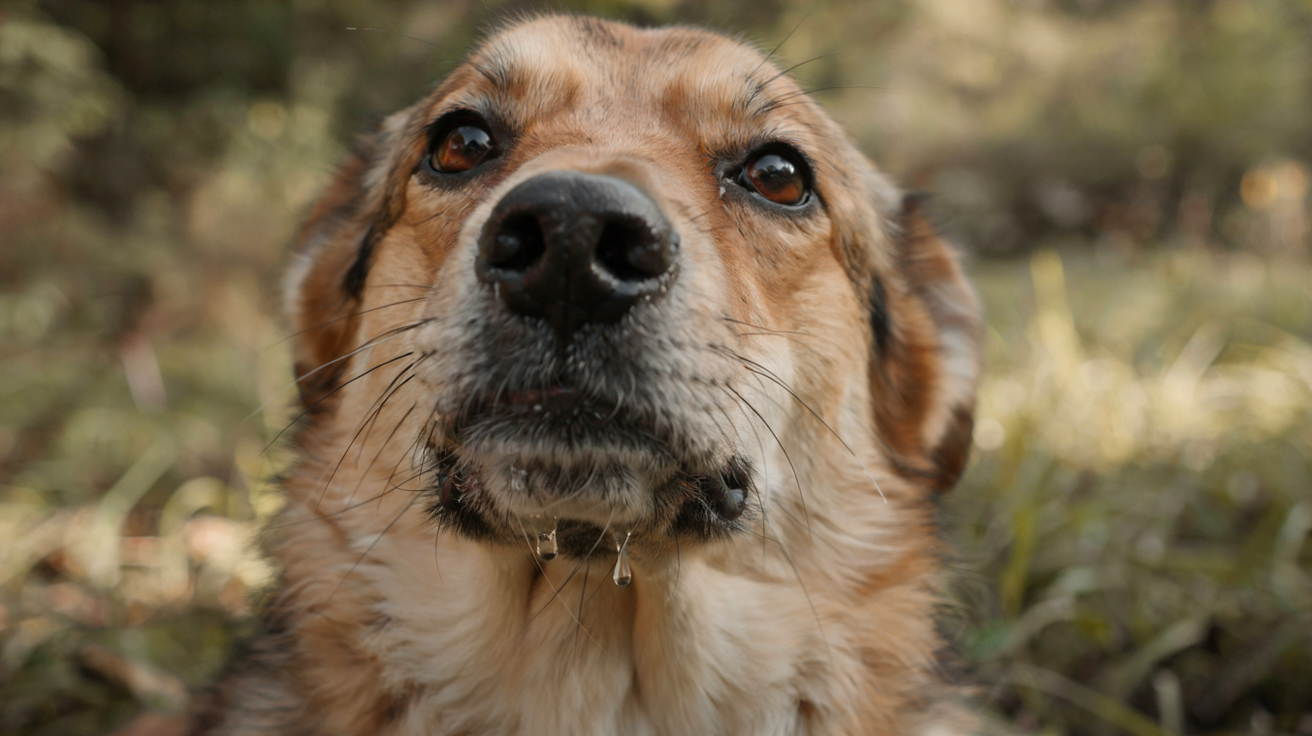
You reach down to give your dog a scratch behind the ears and your hand comes back soaked. Then you notice the damp patch spreading across the rug, or the string of drool that's been hanging there while he just sits and stares at you. Some dogs are natural droolers, but when the slobber suddenly ramps up out of nowhere, most owners can't help but wonder: is this normal, or is something wrong?
Drooling is one of those things that's usually harmless and occasionally a genuine medical red flag, and the difference isn't always obvious at first glance. Here's how to read what all that saliva is actually telling you, so you know when to grab a towel and when to grab the car keys.
Why Dogs Drool in the First Place
Saliva does real work in a dog's mouth. It helps them swallow food, starts breaking it down, and keeps the mouth moist and comfortable. Some breeds just make more of it than others, and a few breeds are famous for it. Dogs with big, loose jowls — think mastiffs, bloodhounds, Saint Bernards, and their big-mouthed relatives — have folds of skin that don't seal the saliva in the way a tighter muzzle does. For them, a little drool is simply how their face works, and it's been that way since day one.
Anticipation does it too. A dog who watches you open a can of food, or who's waiting for a treat, will often start salivating on cue — the same reflex that makes your own mouth water when you smell something good. Heat and exercise also produce a normal uptick, because panting and salivation work together to keep a dog cool.
That's the key to the whole question: drool that has always been there, and that shows up in predictable moments, is rarely anything to worry about. The concern is drool that's new, sudden, or much heavier than your dog's normal.
What "Normal" Drool Looks Like
A healthy dog's drool follows a pattern. It's tied to something — a meal, a hot afternoon, a car ride for the motion-sensitive ones, a moment of excitement. It matches the dog's build and history, and it stops when the moment passes. You know your dog's baseline better than anyone: if the slobber is the same amount you've seen for years, and there's nothing else off, it's probably just how he's built.
The moment to pay attention is when the pattern breaks. Drool that shows up with no obvious trigger, that doesn't stop, or that comes hand-in-hand with other changes — that's information your dog is trying to give you.
When Drooling Crosses the Line
A change in drooling is worth a closer look when:
- It's suddenly much heavier than usual, with no food or heat to explain it.
- It's new for a dog who has never been much of a drooler.
- It comes with bad breath, pawing at the mouth, or a reluctance to eat.
- It's joined by other signs like vomiting, restlessness, shaking, or a swollen belly.
- It has an obvious cause you can't explain away — like a dog who just chewed on something suspicious in the yard.
One pattern in particular deserves immediate attention: heavy drooling combined with retching that produces nothing, a tight or swollen belly, and a dog who can't settle. That combination can point to a twisted stomach, which is a life-threatening emergency, especially in deep-chested large breeds.
The Common Causes Behind Sudden Drooling
The reasons run from totally benign to urgent, and they're worth knowing by name so the signs ring a bell when you see them:
Dental disease and mouth pain. A sore tooth, inflamed gums, a mouth ulcer, or a growth inside the mouth can all make a dog drool more, because the mouth produces extra saliva in response to irritation. The tell is usually bad breath, drooling while eating, chewing on one side, dropping food, or a dog who walks up to the bowl and then turns away. Dental problems are extremely common in adult and senior dogs, and they're easy to miss because they build up slowly.
Something stuck in the mouth. A splinter, a stick fragment, a piece of bone, or even a bit of food lodged in the teeth or throat can trigger a sudden flood of saliva. The dog may paw at his face, gag, swallow repeatedly, or stretch his neck. If you can safely look, check for obvious debris, but never push your fingers deep into a painful mouth, and never pull on a string you see trailing from the throat.
Nausea and stomach upset. When a dog's stomach feels off, the first outward sign is often extra saliva. Lip licking, repeated swallowing, eating grass, pacing, and a refusal to eat frequently come along for the ride. Nausea can stem from something as minor as a rich treat or as serious as an obstruction, so the company it keeps matters a lot.
Toxin exposure. Many things that are bad for dogs — certain plants, household chemicals, some human foods, and more — cause drooling as an early warning sign. If the drooling started shortly after your dog had access to something questionable, or if it comes with vomiting, shaking, or weakness, treat it as urgent and get guidance right away.
Heatstroke. Heavy drooling combined with heavy panting, bright-red gums, and a dog who's been in the heat is a true emergency. Short-faced breeds and overweight dogs are at the highest risk, and this is never a wait-and-see situation.
Anxiety and car sickness. Stress and motion sickness both make some dogs drool. A dog who drools and paces during thunderstorms, vet visits, or car rides is usually showing you situational stress rather than a medical problem. The giveaway is that it stops when the trigger does.
Mouth injury or mass. A cut, a broken tooth, or a lump inside the mouth can all increase saliva. Any lump that's new, growing, or bleeding is worth having a professional look at, even if it isn't causing pain yet.
The Signs That Mean "Go Now"
Most drooling is fine. A handful of signs aren't, and they're not subtle:
- Drooling with a swollen, tight belly and unproductive retching.
- Drooling that starts suddenly after exposure to heat or a possible toxin.
- Drooling with collapse, stumbling, or severe weakness.
- Drooling with bleeding from the mouth, or a growth that's visibly growing.
- Drooling so heavy that the dog is struggling to breathe or swallow.
If you see any of these, skip the internet search and get to a vet or emergency clinic now.
What You Can Do at Home
For ordinary, predictable drooling, the fix is mostly management: keep a towel handy for the heavy-drooling breeds, wipe down their face after meals to prevent the damp skin irritation that can build up under the jowls, and make sure they always have water — especially in the heat, since panting and drooling both cost them fluids.
For drooling that's new or heavy, the single most useful thing you can do is observe and record. Note when it started, whether it comes and goes, what he was doing beforehand, and every other sign that comes with it — bad breath, changes in appetite, vomiting, pawing at the face. A timeline is worth more to a professional than a vague "he's been drooling a lot."
And don't guess. Drooling is a symptom, not a disease. The cause could be a bad tooth, an upset stomach, or something far more serious, and treating the drool itself doesn't fix any of them. The right next step is almost always to have a professional look inside the mouth and sort out which it is.
The Bottom Line
Learn your dog's normal. Let a lifelong drooler be a lifelong drooler, because that's just how some dogs are built. But treat drool that's new, sudden, or paired with other warning signs as a message worth listening to — and act on it. Most of the time you'll be reassured, and the times you're not, you'll be glad you didn't wait.
Has your dog ever had a sudden drooling scare that turned out to be something — or nothing? What tipped you off that it was time to get help? Drop it in the comments.
This article is for informational purposes only and is not a substitute for professional veterinary advice, diagnosis, or treatment. Always consult a licensed veterinarian if your pet shows signs of illness, injury, or distress. If you believe your pet is experiencing a medical emergency, contact your veterinarian or the nearest emergency animal hospital immediately.
🐾 Enjoyed This Article?
Save it for later, share with a fellow pet parent, or check out more tips on our homepage!
📩 Never Miss a Tip
Get our best pet care hacks delivered straight to your inbox. No spam, unsubscribe anytime.